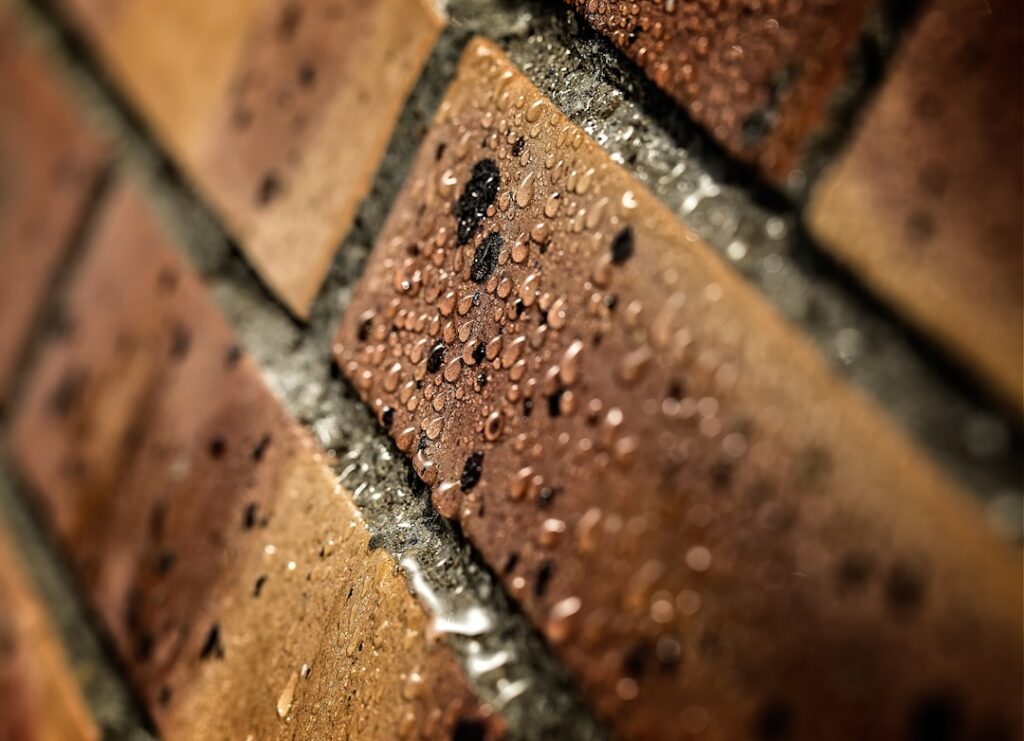

One effective option is a liquid rubber membrane, which can be applied directly to damp areas. For example, if your basement walls or floors show signs of moisture, this membrane forms a tight seal that helps prevent further water intrusion. It also works well on exterior foundations and wooden structures, protecting them from rot caused by moisture exposure. Its ability to bond with concrete, wood, and metal surfaces makes it a versatile choice for various home projects.
Estimating how much membrane you’ll need is critical to avoid waste or shortages. Many products include coverage calculators or guidelines, for instance, one pint might cover roughly 30 to 50 square feet depending on the surface texture and how thickly you apply the product. Homeowners often overlook surface preparation time, which can add hours to the project but is necessary for adhesion. Cleaning surfaces thoroughly and removing loose debris prevents peeling or bubbling after application.
Applying liquid membrane is usually straightforward but requires attention to detail. Clean the surface with a wire brush or pressure washer, then allow it to dry completely before brushing or rolling on the membrane. Multiple coats may be necessary for full protection; waiting at least two hours between applications is common practice. Many users find that ambient temperature and humidity affect drying time significantly, plan your workday accordingly.
Users who have applied these membranes to outdoor fountains, swimming pools, or garden ponds report strong durability even under constant water exposure. The membrane’s elasticity helps it withstand small cracks or shifts in the substrate without losing its seal. Some homeowners mention that applying the product on cooler days prevents premature drying, which can cause cracking. Detailed guides and videos available online often clarify these nuances better than printed instructions.
If you’re unsure which product suits your project best or need accessories like brushes or primers, vendor FAQs provide practical advice. It’s common to mix up primers with membranes; primers enhance adhesion but don’t waterproof on their own. Subscribing to newsletters from suppliers can keep you updated on product improvements and tips for tricky applications.
Choosing a dependable waterproofing membrane is a smart move to protect your property against water damage that can lead to costly repairs. Whether sealing interior spaces like basements or safeguarding external areas such as patios and retaining walls, picking the right product matters. To start your project with a reliable option, you can buy waterproofing membrane designed for various surfaces and conditions.
For broader information on materials and techniques, visit waterproofing materials guide. The site covers everything from application tips to different membrane types, making it easier to plan your next repair or upgrade.