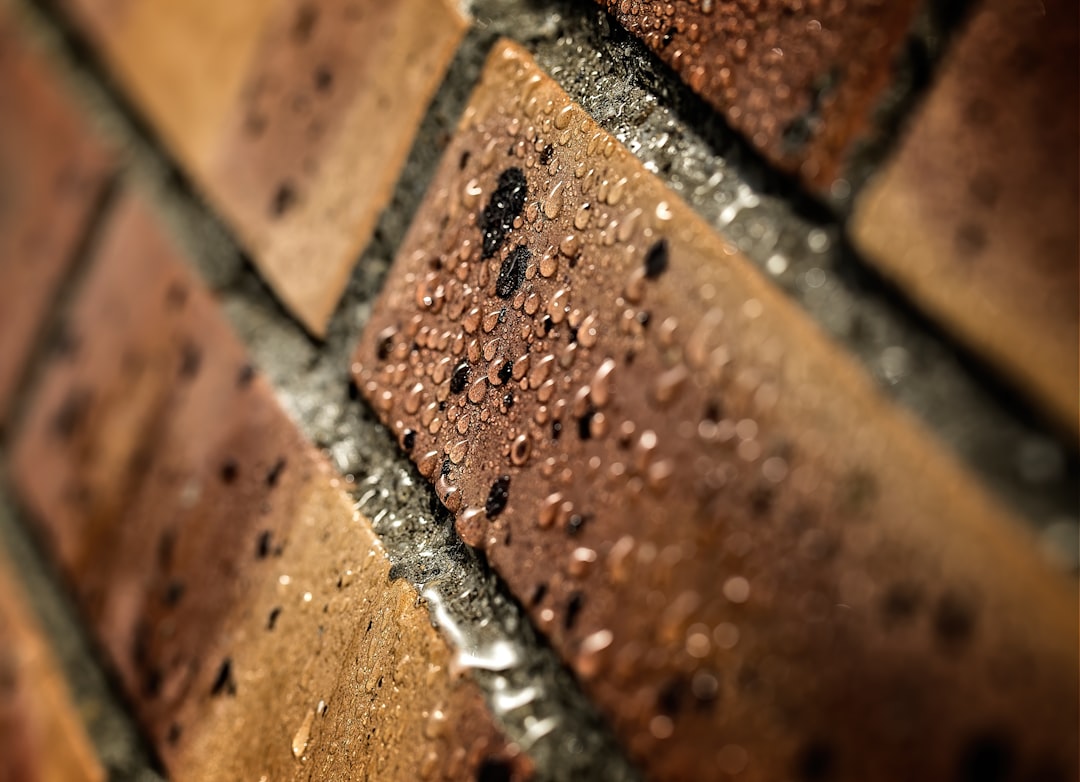

Facade damage such as rust stains or spalling concrete doesn’t just look bad; it can weaken the building’s integrity and reduce its market worth. Water ingress often leads to mould growth inside walls, creating unhealthy conditions for occupants. When you notice any deterioration, don’t delay. Schedule an inspection promptly to evaluate the scope and prevent further harm. The frequency of inspections depends on factors like the building’s age, construction type, and environment. Older buildings typically need more frequent checks while coastal locations expose structures to salt corrosion that accelerates wear. A yearly inspection is a practical baseline, with extra visits if visible issues arise.
A transparent inspection process matters. Professional inspectors begin with a thorough visual review of both exterior and interior surfaces, checking roofs, gutters, windows, and foundations for damage or leaks. They also assess mechanical systems like HVAC units for signs of wear or malfunction. After the site visit, they provide a detailed report highlighting defects and recommending repairs or maintenance tasks. This written document often includes photos and prioritizes actions so owners can plan budgets realistically. Clear communication during reporting helps avoid misunderstandings about what needs fixing and when.
Environmental factors take a constant toll , UV rays fade paint, rainwater erodes sealants, and temperature swings cause materials to expand and contract, leading to cracks. Regular inspections spot these effects early. For example, catching a minor leak in a roof membrane can prevent water from seeping into insulation and causing costly rot. Property managers who track inspection dates on maintenance logs reduce the risk of missed assessments or duplicated efforts by different contractors. Keeping these records accessible also simplifies warranty claims or insurance reviews.
Ignoring minor defects often backfires. A seemingly small crack in a concrete wall can develop into a serious stability problem if left unchecked. Emergency repairs are usually far more expensive than planned maintenance. Routine inspections help identify weak points before they become failures. This proactive approach extends the lifespan of finishes and structural components alike. It also supports tenant satisfaction by maintaining safe, comfortable spaces free from hazards like mould or falling debris.
If you see telltale signs such as water stains or concrete spalling, act quickly to arrange an inspection. Waiting can allow the damage to spread internally where it is harder to detect until it causes major issues. A reliable building maintenance service will guide you through the inspection process, explain findings clearly, and help prioritize repairs based on urgency and budget constraints. Experienced providers understand how to work with strata committees or corporate management teams to coordinate access and minimize disruption.
Owning property means staying alert to both visible troubles and subtle warning signs beneath the surface. Whether managing residential strata buildings or commercial offices, regular inspections safeguard your investment and ensure ongoing functionality. For more information on building maintenance services sydney, contact professionals committed to practical advice and thorough service. You might also find useful guidance at for further context on maintaining your asset effectively.