

Cracks do not all have the same cause. A fine line confined to the outer coat may need a different treatment from a wider crack that returns after filling. The direction, depth and position matter, particularly around corners, windows and changes in wall height. A practitioner may lightly tap the surrounding area to listen for hollow sections and inspect whether the split continues beyond the obvious mark. Dust, weak old coatings and poor preparation can prevent a new patch from bonding. If movement or a missing joint is suspected, filling the crack alone may leave the same failure to reappear.
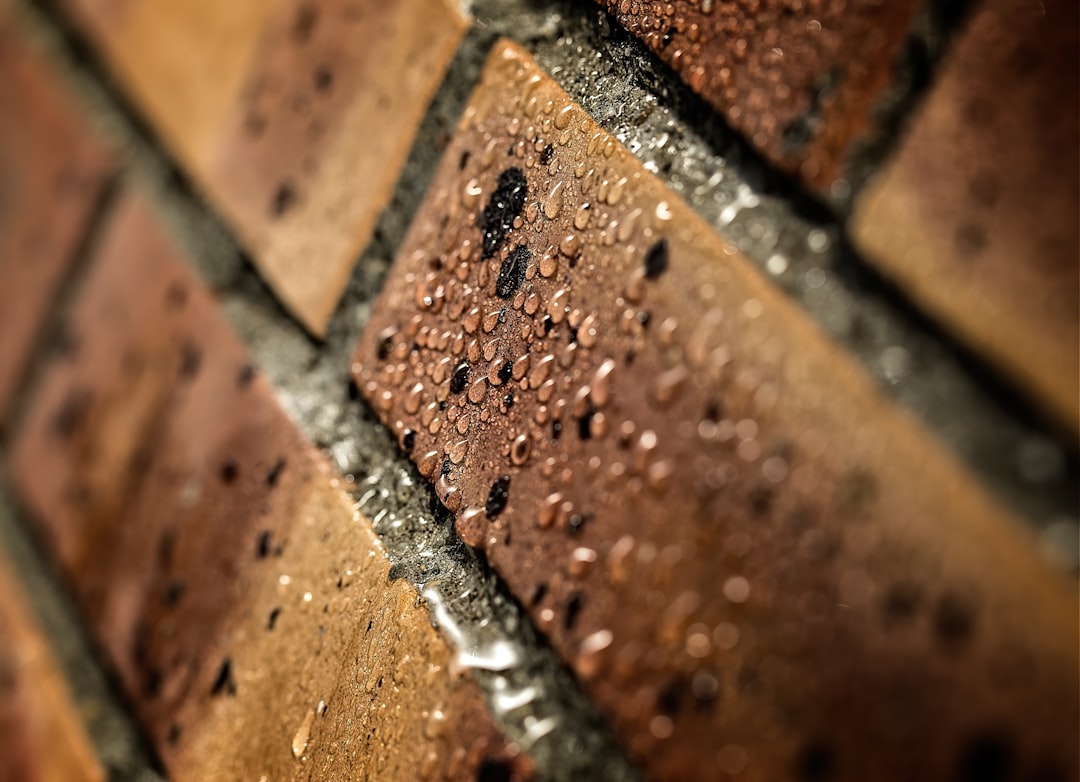
Moisture needs careful attention because staining is not always a render defect. Darkened lower walls, blistered paint and white powder on masonry can point towards water travelling through the wall. Efflorescence is the salt deposit left when moisture carries dissolved minerals to the surface and evaporates. It may return if a leaking gutter, downpipe, irrigation line, poorly sealed edge or rising damp remains untreated. A damp wall in a Brighton house, for example, may need drainage or water management checked before a broad area is patched. Scrubbing away the deposit and repainting without finding the moisture path is unlikely to provide a lasting result.
A sound repair usually involves cutting back loose edges, removing dust and preparing the exposed base before fresh material is applied. Depending on the substrate and product, the surface may need dampening or a suitable primer. The new render should be compatible with the existing wall, since a very hard patch over a softer background can concentrate stress at the join. Curing also needs time. Cement-based material gains strength as it dries and reacts with water, so strong sun can dry it too quickly, while rain before it has set can affect the finish. Shade and suitable protection may be needed during this stage.
Texture and colour matching improve the visual result, but neither proves that the underlying repair is complete. Smooth, floated and textured finishes reflect light differently, so a close match can look slightly different in morning and afternoon conditions. Fresh material may also change appearance as it cures. A careful worker will feather or define the edges as appropriate, remove loose material rather than simply covering it, and allow the patch to stabilise before painting. On a pale rendered unit block in Elwood, a balcony repair would also need attention to drainage, corners and the junction between old and new coats.
The required scope depends on the extent and position of the failure. A chipped garden wall may be suitable for a local repair, while widespread hollow areas across a facade can indicate delamination, where the render has separated from its base. High walls, balcony edges and areas around swimming pools bring access and exposure considerations that do not apply to a sheltered interior wall. Front fences, commercial buildings and blocks of units may also require staged work so adjoining surfaces and occupants are not unnecessarily disturbed. An inspection from safe access is preferable to relying on a view from ground level.
Before requesting a quotation, photograph the affected area in daylight and record when it appeared, whether rain makes it worse and whether nearby doors or windows have begun sticking. Keeping the original building or renovation documents available can help clarify the wall construction and previous coatings. Ask how far the failed material will be removed, what is thought to have caused it, how curing will be protected and how the finish will be blended. Providers of solid plastering services may handle related wall finishes, but the proposed repair still needs to suit the particular substrate, exposure and source of the damage.