
There are three main styles: gas, electric, and wood-burning. Gas heaters are common because they warm up quickly and deliver strong heat. You’ll find propane models that are portable and easy to move around, perfect if you rearrange your seating or want to take it off the patio occasionally. Natural gas heaters hook into your home’s gas line, so they’re better for fixed setups and won’t run out of fuel unexpectedly. If you choose natural gas, make sure the installation is done by a licensed professional to avoid leaks.
Electric heaters work well in smaller patios or covered areas. They plug into standard outlets and can be wall- or ceiling-mounted, which saves floor space. However, their heat output tends to be lower than gas models, so they’re best for intimate gatherings or zones shielded from wind. When using electric heaters outdoors, always check the IP rating to ensure they’re weather-resistant , this prevents damage and safety risks.
Wood-burning options like fire pits or chimineas add ambiance with crackling flames and are great for social settings. They require logs or charcoal as fuel and need more upkeep, including ash disposal and regular cleaning. Keep a close eye on safety, too; sparks can fly and cause fires if not managed properly. It’s common for people to underestimate how much smoke wood fires produce, so wind direction is worth considering before lighting up.
Heat output is measured in BTUs, which tells you how much warmth a heater produces. A larger patio needs a heater with higher BTUs to cover the area effectively, while a small nook will do fine with less powerful units. Many devices have adjustable heat settings, letting you dial down energy use when full power isn’t necessary. This flexibility saves fuel or electricity and avoids overheating guests.
Design matters as much as performance. Modern outdoor heaters come in styles that match garden furniture and architecture, from sleek stainless steel towers to rustic cast iron pieces. Choosing a model that fits your aesthetic can make the heater feel like part of the outdoor room rather than an eyesore. Handlers often recommend placing heaters where they won’t block walkways but still provide direct warmth to seating areas.
If you want to make the most of your outdoor space throughout the year, exploring outdoor patio heating options is worth your time. Whether you prefer the quick heat of gas, the simplicity of electric, or the character of wood-burning setups, there’s a solution that fits your lifestyle. Remember to read user manuals carefully before installation, since improper setup is a common cause of heater failure.
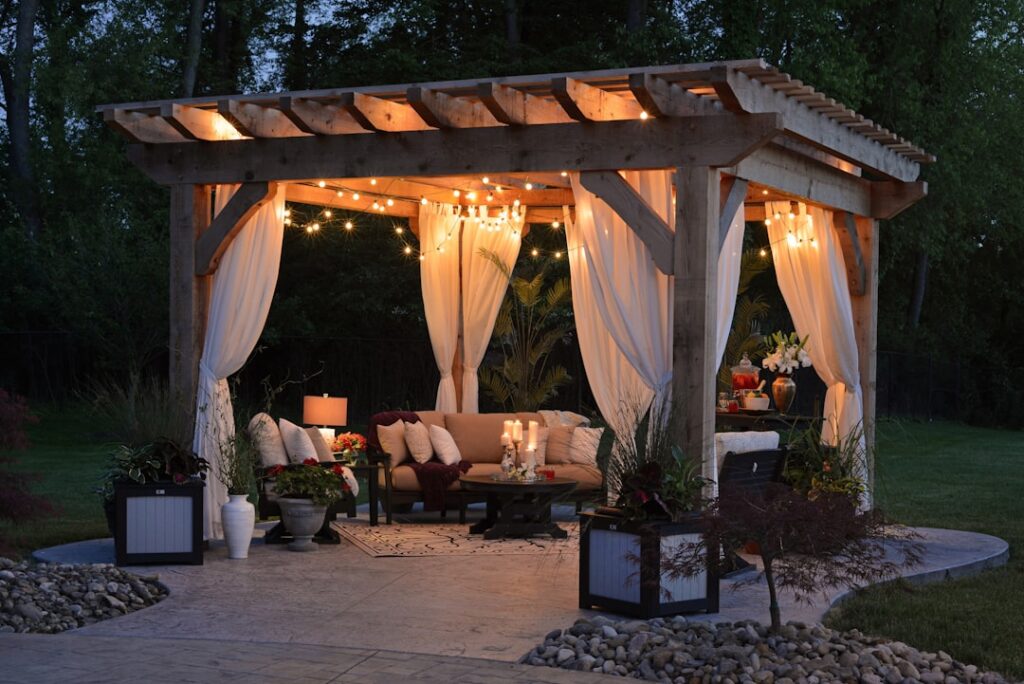
For ideas on enhancing your home environment further, check out outdoor comfort tips and tricks. Practical advice on arranging furniture, lighting, and shelter can all help you create an inviting outdoor space that stays usable even in colder weather.