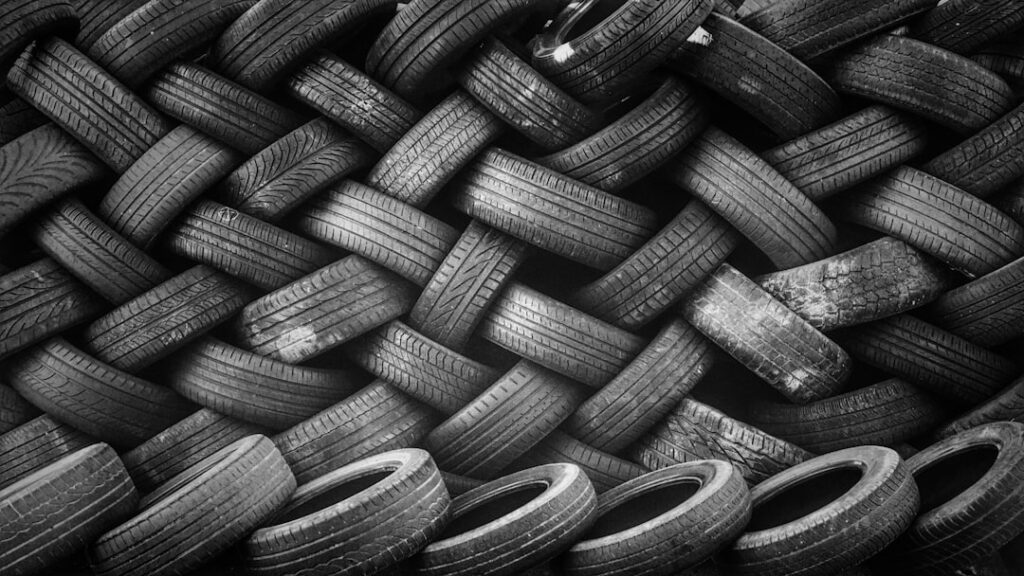

All terrain tyres must handle a variety of surfaces. The tread pattern is critical here. Deep, aggressive treads dig into loose earth or mud, giving you grip where it counts. But those same treads can cause extra road noise and less precise handling on asphalt. A tyre with a balanced tread design offers decent traction off-road without sacrificing too much comfort or noise levels during daily drives. Drivers who switch often between pavement and dirt will want to weigh these trade-offs carefully.
The rubber compound in the tyre also affects how it performs. Softer compounds stick better on wet or uneven ground but tend to wear faster when used mostly on hard surfaces like highways. Harder compounds last longer but may compromise traction in slippery or uneven terrain. Fleet managers often pick tyres with tougher rubber to withstand heavy use, even if it means a slight drop in off-road grip. It’s about matching the tyre to the workload and environment.
Load capacity and sidewall strength matter too, especially for those who haul gear or tow trailers regularly. Heavy-duty all terrain tyres come with reinforced sidewalls designed to resist punctures from sharp rocks or debris common on trails. Construction crews or anyone using their 4×4 for work in rugged areas will find these features invaluable to keep vehicles stable and reliable under pressure.
Proper tyre pressure can’t be overlooked. Too high, and the ride gets harsh with less grip on soft or uneven ground. Too low, and you risk damaging the tyre structure or causing uneven wear. Many drivers let pressure drop slightly when off-road, but this needs monitoring and adjustment before hitting paved roads again. Checking pressures before and after trips is one practical habit that can extend tyre life and maintain consistent performance.
When looking at options, it helps to review detailed product specifications and user feedback available online. For example, all terrain 4×4 tyres are built to suit various driving styles and conditions. Reading real-life reviews alongside technical specs can reveal how tyres hold up over time, how they perform in specific conditions, and what compromises have been made in design.
Warranty coverage is another factor worth attention. A solid warranty shows the manufacturer’s confidence in their product and offers some protection against defects or early wear. This is especially important for businesses relying on their vehicles day in and day out. Having clear terms can save headaches if a tyre fails prematurely or doesn’t meet expectations.
Checking in with driver communities or forums often uncovers insights you won’t find in specs sheets or ads. Experienced users share what works, what doesn’t, and common maintenance tips that help avoid unexpected problems down the line. Combining these firsthand accounts with expert knowledge found at off-road tyre advice hub prepares you to make a choice that fits your real-world needs better.