
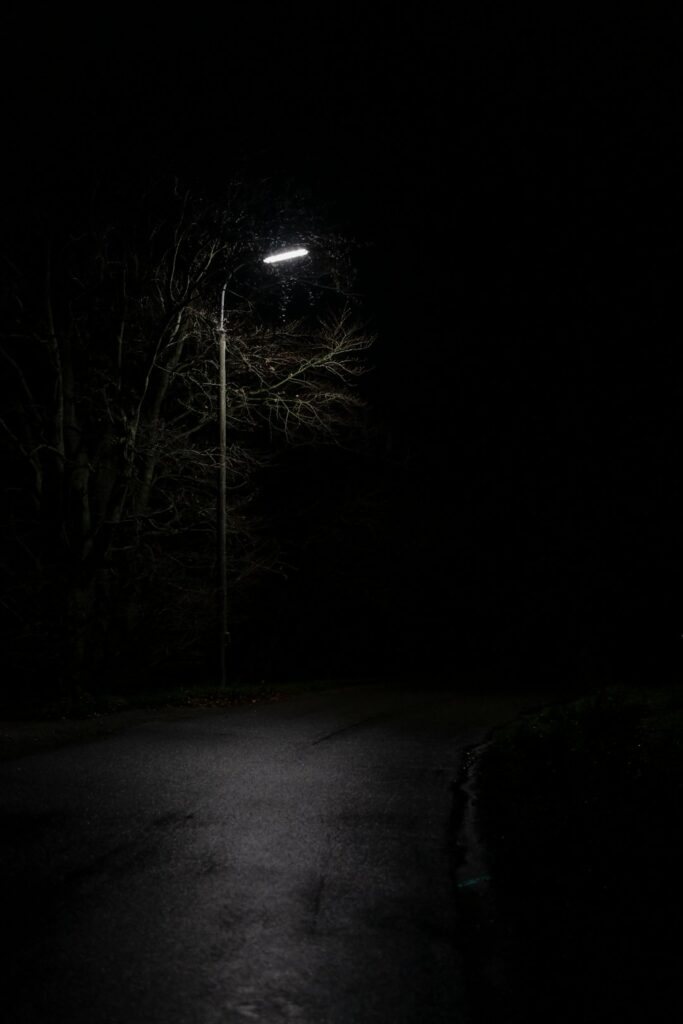

This standard outlines specific criteria like luminance levels and the uniform spread of light, which help avoid dark patches or blinding spots. For example, when a council replaces aging lamps in a suburban street, using the standard’s recommendations prevents over-lighting, which wastes energy, and under-lighting, which compromises safety. It’s common for councils to consult the actual standard document before finalising specifications to avoid costly rework.
Road classification is a key element in the standard. Main roads with heavy traffic demand brighter, more consistent illumination compared to quiet residential streets. AS/NZS 1158 breaks roads into categories based on their use and traffic volume. This system guides managers on fixture types and spacing. Ignoring this can lead to complaints from residents or drivers, often resulting in repeated site visits to adjust lighting levels.
Glare is another critical concern. Excessive glare can decrease visibility and cause discomfort for drivers and pedestrians alike. The standard advises on methods to reduce glare, such as mounting lights at certain heights and angles or using shields. Installing LED streetlights about three meters above ground is a typical approach that reduces direct glare without sacrificing coverage. Technicians often test lighting setups at night before final approval to catch glare issues early.
Colour temperature affects not just visibility but also how people feel about a space. Warmer tones around 3000K are generally preferred in residential areas because they feel less harsh and help preserve night vision. Industrial zones or major roads might benefit from cooler temperatures above 4000K, which can improve alertness. Lighting designers sometimes present samples to community groups to gauge preferences and avoid backlash.
Business owners aiming to boost their property’s nighttime presence should consider compliant lighting upgrades carefully. Proper lighting enhances safety for visitors and staff and improves curb appeal. Collaborating with professionals familiar with AS/NZS 1158 lighting for roads helps ensure installations meet all requirements without unnecessary costs or delays.
Maintenance is frequently overlooked but vital for long-term success. Regular checks catch bulbs burning out or fixtures damaged by weather or vandalism before they become hazards. Many councils set up scheduled inspections and keep detailed logs to track repairs and replacements, which supports compliance with AS/NZS 1158 over time and extends equipment lifespan.
A common misstep is underestimating the impact of inconsistent lighting across adjoining areas, which can confuse drivers or pedestrians. Coordinating with neighbouring jurisdictions or property owners during planning avoids this problem. Additionally, documenting all installation details and settings helps prevent misunderstandings during future upgrades or audits.
Following AS/NZS 1158 guidelines helps road managers create safer, more reliable lighting systems tailored to their specific environments. Whether upgrading old infrastructure or planning new projects, understanding these standards leads to better decisions that benefit both public safety and operational budgets. For practical advice on implementation and compliance, consulting local resources like road lighting maintenance tips can provide useful insights.