The most iron-rich minerals are magnetite and hematite. Pure iron is practically not used, while its two alloys in combination with carbon are widely used steel (carbon <2%) and iron (2% <carbon <4%).
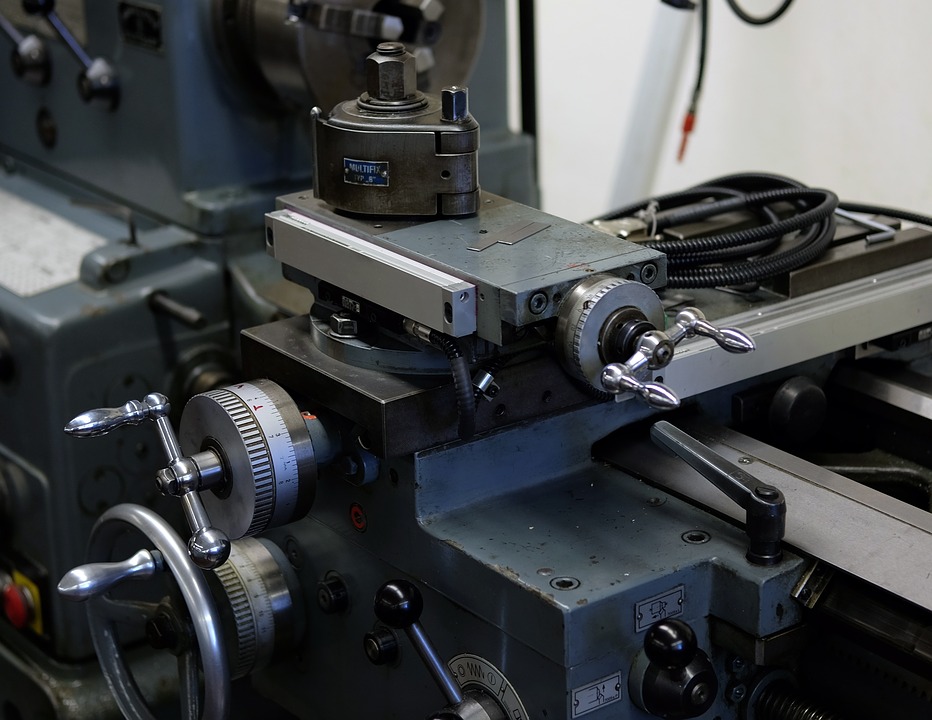
The production of these two alloys begins in the blast furnace, that is, an oven consisting of a tower that can reach a height of up to 100 m. The oven structure is made externally by a special steel shell, internally covered with refractory bricks, that is able to withstand high temperatures for a long time thanks to Machining Lathe Perth.
The raw materials that are inserted in the upper part of the oven, called the loading mouth include iron ores, the fuel (carbon coke) and the fondant (limestone). In the central part of the oven, called belly, the temperature of 1500 ° C is reached.
Iron separates from the mineral and combines together with the carbon of the fuel, turning into iron. The non-ferrous substances of the mineral combine with the flux, forming the waste, ie waste materials used for example in the production of quick-setting cement. From the lower part of the oven, it is produced in unbleached iron in the liquid state. Slag, lighter than iron, comes out of the oven from an upper hole.
Production
A part is cast in ingots and sent to the foundry, or to the part of the factory where it will be melted again together with steel and iron scrap to obtain the second iron, used to produce iron objects. This iron is called foundry iron, which is handled by Machining Lathe Perth.
The other part is poured into torpedo cars that, moving on rails, transport it to the steel plant, ie to the part of the plant where the iron is transformed into this iron is called refining iron.
The transformation of raw iron into steel (called refining), consists in the reduction of carbon and impurities, and in the addition of ferroalloys (iron metal alloys). This process takes place inside large ovens, called converters, in which they are introduced fused iron (coming from the blast furnace) and scrap iron.
Inside these ovens it is blown by high oxygenpure at high pressure, which burns most of the carbon dissolved in the iron, transforming the iron into steel. This is a very violent reaction. In fact the steel comes out liquid at 1600 ° C.
On leaving the ovens, the steel is poured into a container, the ladle, and from there in ingot molds or in an ingot mold with an open bottom: in continuous casting the semi-solid steel descends from the bottom of the mold and is cut to the desired length.