

Insurers pull data from many sources: social media chatter, IoT sensors, and years of claims history. For example, telematics devices in vehicles track driving habits, allowing companies to set premiums tailored to individual risk levels. This kind of personalized pricing cuts down on guesswork and keeps customers more engaged.
Predictive analytics is a key tool here. Using machine learning algorithms and statistical models, companies forecast how often claims might occur and how severe they could be. They factor in not just past data but also external influences like economic shifts or upcoming weather events. This foresight helps allocate resources efficiently and reduces unexpected expenses.
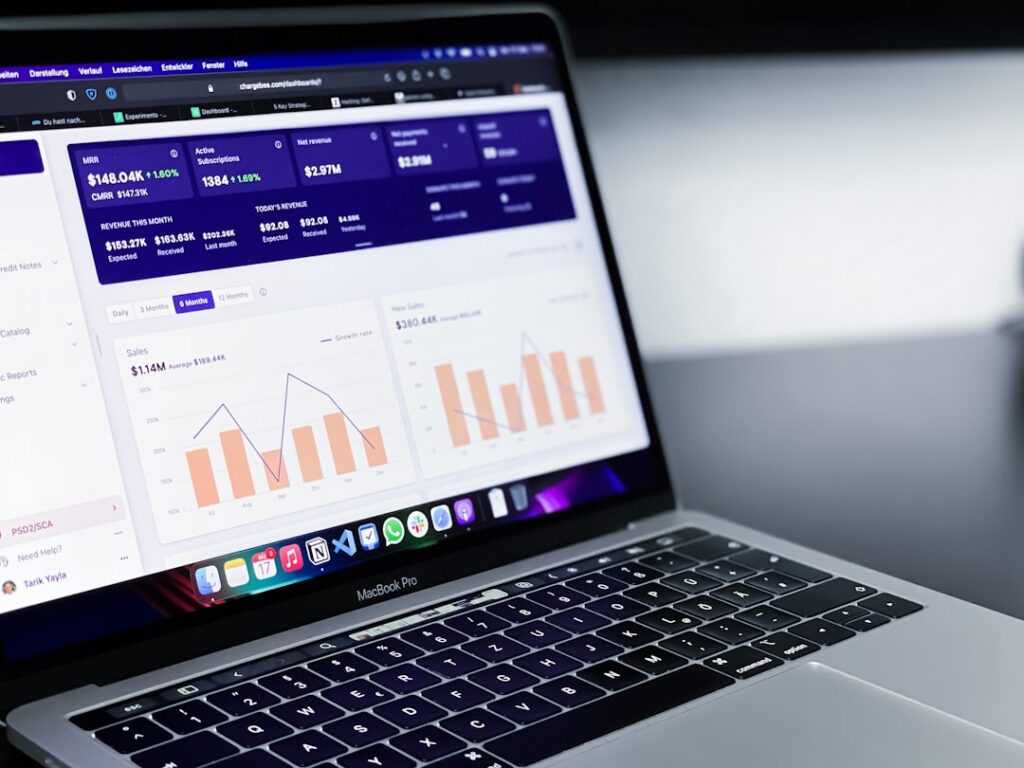
Data visualization tools turn dense spreadsheets into clear charts and graphs. Executives rely on these visuals to grasp emerging patterns quickly. Suppose claims related to floods rise sharply in a particular area. In that case, insurers can tweak underwriting rules or focus marketing efforts there to manage exposure better.
Compliance is a growing headache as privacy laws like GDPR and CCPA tighten. Insurers must safeguard sensitive customer information while still leveraging data insights. Advanced analytics platforms now often include features that automate compliance checks, flagging potential breaches before they happen. This reduces legal risks and builds trust with clients.
Customer experience improves when firms analyze feedback using sentiment analysis. By understanding what customers appreciate or dislike, insurers can adjust products and services accordingly. A common practice is reviewing call center transcripts regularly to catch recurring issues early, preventing minor frustrations from escalating.
Looking ahead, big data analytics will continue reshaping insurance operations. Companies that master these tools gain a competitive edge by making smarter decisions faster. They tend to have staff trained not just in technology but also in interpreting data contextually to avoid missteps that happen when raw numbers are taken at face value.
For anyone interested in how the industry adapts, exploring big data analytics in insurance offers valuable perspective. And for those seeking practical advice on implementation, is a useful resource.