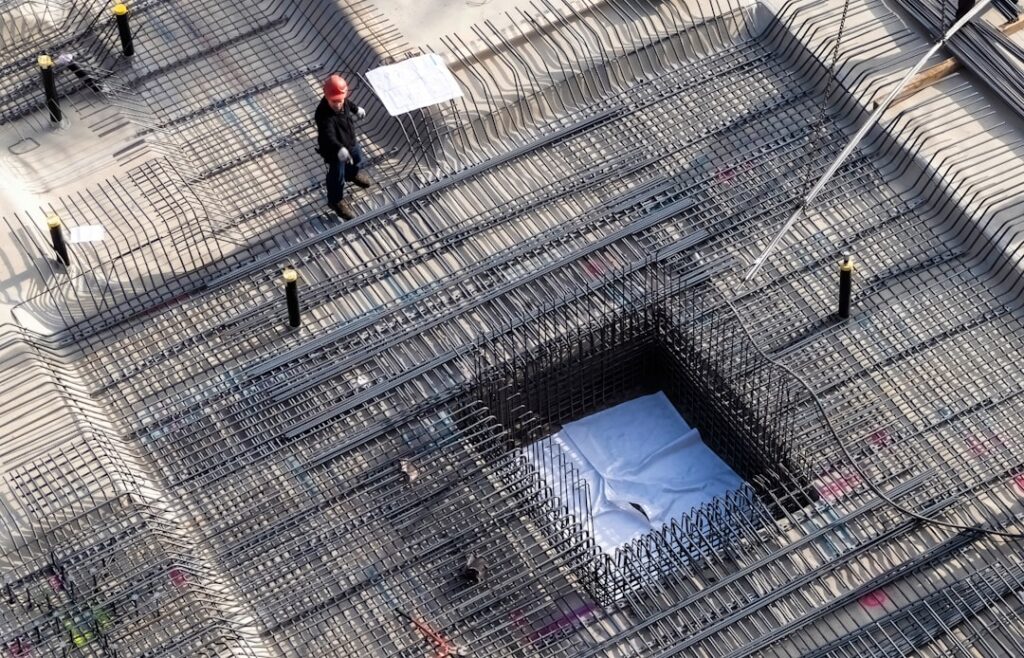

Take the example of a commercial property owner who had persistent basement leaks over several years. Before renovating, they installed a high-quality exterior waterproofing membrane on the foundation walls. This step stopped water infiltration from below ground and saved them from having to redo their interior work due to dampness. In practice, applying the membrane before finishing interiors is critical. It’s also important to check the product’s compatibility with local soil and climate conditions, as these affect performance.
Hydrostatic pressure is another factor to consider. When groundwater builds up around foundations, it pushes against walls and can force water through cracks. A durable exterior waterproofing membrane resists this pressure by blocking water entry and working with drainage systems to channel moisture away from the building. Installing a perimeter drain or French drain alongside the membrane improves water management significantly. Experienced contractors will inspect for potential weak points like tie rods or construction joints that require extra sealing.
Installation quality is often where things go wrong. Surface preparation is vital, walls must be clean, dry, and free of loose debris before applying the membrane. Temperature also matters; some membranes won’t cure properly if applied in cold or wet conditions. Skipping these steps leads to peeling or blistering later on. Many installers follow a checklist during application: cleaning, priming, applying base coats, and allowing adequate curing time between layers. This attention to detail extends the life of the membrane and avoids costly callbacks.
Beyond moisture protection, certain exterior waterproofing membranes contribute to better energy efficiency. They form a barrier that reduces air infiltration and moisture-related issues like mold growth, which can affect insulation effectiveness. This can help regulate indoor temperatures and lower energy bills slightly, a bonus for business owners concerned about operational costs. Choosing a membrane with reflective properties may also reduce heat absorption in warmer climates.
If you’re thinking about improving your building’s defense against water damage, looking at options like exterior waterproofing membrane makes sense. Matching the product to your foundation type and environmental conditions is important. Consulting with contractors who understand local challenges will guide you toward the right choice. They can also recommend complementary steps such as grading the site properly or installing drainage systems.
Investing in exterior waterproofing isn’t just about stopping leaks; it’s about protecting your property’s structural integrity and avoiding hidden damage that worsens over time. Keep in mind that proper maintenance matters too, regular inspections after heavy rains can catch issues early before they escalate. Checking warranty details and ensuring the installer provides documentation can save disputes down the line.
For practical advice on boosting your building’s resilience against water problems, visit foundation waterproofing advice. Understanding how different membranes perform in real conditions helps you make informed decisions tailored to your building’s needs.