

Applicants must show proof of a minimum monthly income of €2,130, roughly €25,560 per year, to satisfy financial requirements. It’s common for freelancers or entrepreneurs to prepare detailed bank statements covering several months when applying. Also, you must have health insurance that complies with Spanish regulations, private plans are often preferred since public coverage may not be accepted. Missing or incomplete documentation frequently causes delays or denials, so double-check everything before submission.
A clean criminal record from your home country and any other countries where you lived in the last five years is mandatory. Police clearance certificates can take weeks to obtain, so factor this into your timeline. Many applicants underestimate how long background checks take or fail to include all required jurisdictions, which can lead to complications.
UK citizens should be aware of post-Brexit changes impacting residency and work rights in Spain. The digital nomad visa provides a practical way to establish legal status without relying on old EU freedom of movement rules. However, it’s wise to stay informed about evolving immigration policies since they can affect application criteria and processing times.
Entrepreneurs should consider the effect of relocating on their business structure. Some types of work might require registering a local company or branch to comply with Spanish commercial laws. Consulting accountants familiar with cross-border taxation can help avoid unexpected tax liabilities or compliance issues. It also pays to keep personal and business finances clearly separated to simplify reporting.
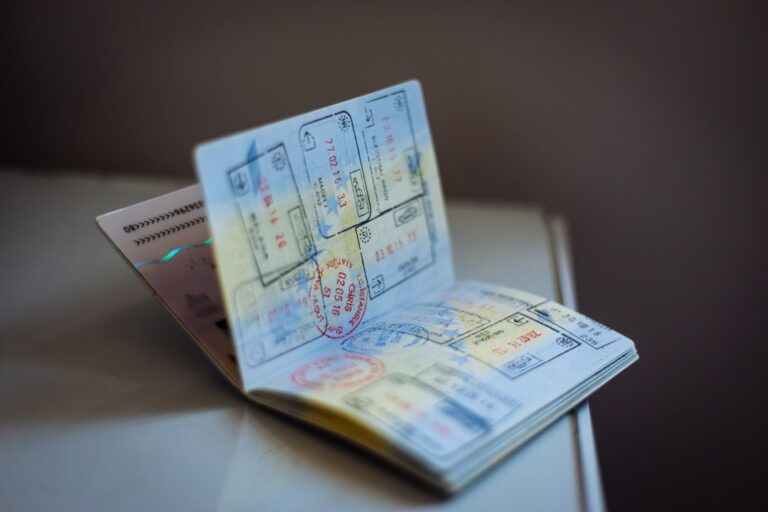
Gathering all paperwork can be tedious but crucial. Common documentation includes proof of income (contracts, invoices, bank statements), health insurance certificates, police clearances, and a valid passport. Preparing translations certified by official translators is often necessary since authorities rarely accept documents solely in English.
The process benefits from tailored advice that fits your particular circumstances. For instance, understanding social security contributions or VAT rules in Spain might save you money and trouble down the line. Many applicants find it helpful to seek guidance early to avoid costly mistakes or repeated applications.
Living in Spain under this visa means adapting to local customs and administrative procedures. Registering with the town hall (empadronamiento) soon after arrival is a practical step required for many services. Keeping copies of all correspondence with authorities helps track your status and deadlines.
Applying for a Spain digital nomad visa is more than just relocating; it involves careful preparation and awareness of legal obligations. With the right planning, entrepreneurs can enjoy Spain’s culture and climate while maintaining their careers remotely. For more detailed advice specific to your situation, visit spain digital nomad visa resources online. If you need help with tax compliance and business setup, consider consulting professionals offering .