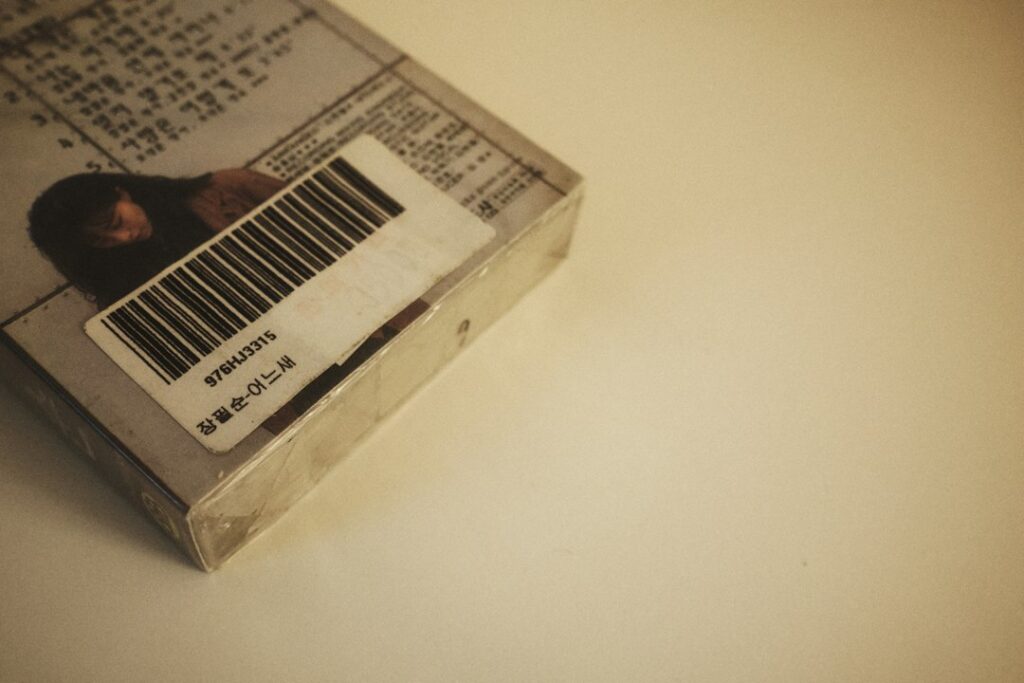

The barcode type, or symbology, should match the information system and scanner. Retail-style barcodes, stock control codes and numbered identification labels arrange data in different ways. A QR code stores information in a square, two-dimensional pattern, while a conventional barcode uses parallel bars. Neither option is automatically better. The available space, the amount of data, the reader being used and the software receiving the scan all affect the suitable choice. A supplier can work more accurately from the actual specification than from a request for a generic barcode label.
Clear space around the code is easy to overlook. Known as the quiet zone, it separates the bars or square pattern from text, borders and other printed elements. A serial number pushed too close to the code can interfere with recognition, as can a border that leaves no breathing room near the label edge. Contrast matters too. Dark marks on a light, relatively plain background are generally easier for optical readers to distinguish than a busy colour combination. Decorative backgrounds may look attractive on screen but create unnecessary risk on a working label.
The face material and adhesive should be selected for the object and its surroundings. Paper may be perfectly suitable for indoor cartons, archive folders or temporary numbered items. Synthetic material may be a better fit for labels exposed to occasional moisture or repeated handling, although the correct choice depends on the conditions. Adhesive performance varies across painted metal, smooth plastic, dusty cardboard and other surfaces. A useful routine is to apply a sample to the real item, leave it in the normal working environment, and check whether its edges lift or the surface becomes difficult to scan.
Variable data adds a further checking stage. A repair workshop might assign a different reference to every machine received, while a school could label each laptop or projector with its own asset number. The printed code must agree with the human-readable number beneath it. Before production, someone should compare the artwork or proof against the source spreadsheet and check the first and last entries in a sequence. That simple habit can expose a missing digit, a duplicated number or text placed too close to the bars before hundreds of labels are applied.
Label size should follow the working conditions rather than a desire to make every sticker as small as possible. Staff scanning a shelf from arm’s length need a different arrangement from someone holding a cable, instrument or hand tool close by. Check the scanner’s working distance, the usual approach angle and whether packaging, straps or corners could hide part of the code. Longer data can affect the shape and width of the printed symbol. A finished sample should be scanned on the intended equipment, including at the angle and distance staff will use during an ordinary shift. Suppliers of barcode stickers can use that information to prepare a more practical specification.
A clear order brief prevents avoidable rework. Include the finished dimensions, face material, adhesive, barcode type, data file, quantity and the surface being labelled. State whether every sticker carries one fixed design or whether the run contains changing numbers, descriptions or codes. It helps to keep the approved proof beside the delivery paperwork, so the batch can be checked before labels are distributed across departments. A small trial run is sensible for heavily scanned items or less predictable surfaces. Advice from printed label specialists may also help clarify the format and finish before a larger order is released.