
Physiotherapy for sports injuries covers a range of hands-on and exercise-based treatments. Manual therapy is common, it helps reduce pain and restore joint movement. Meanwhile, targeted exercise programs strengthen muscles around injured areas to support healing and prevent setbacks. For example, after a knee injury, controlled loading exercises help rebuild stability without overstraining the joint.
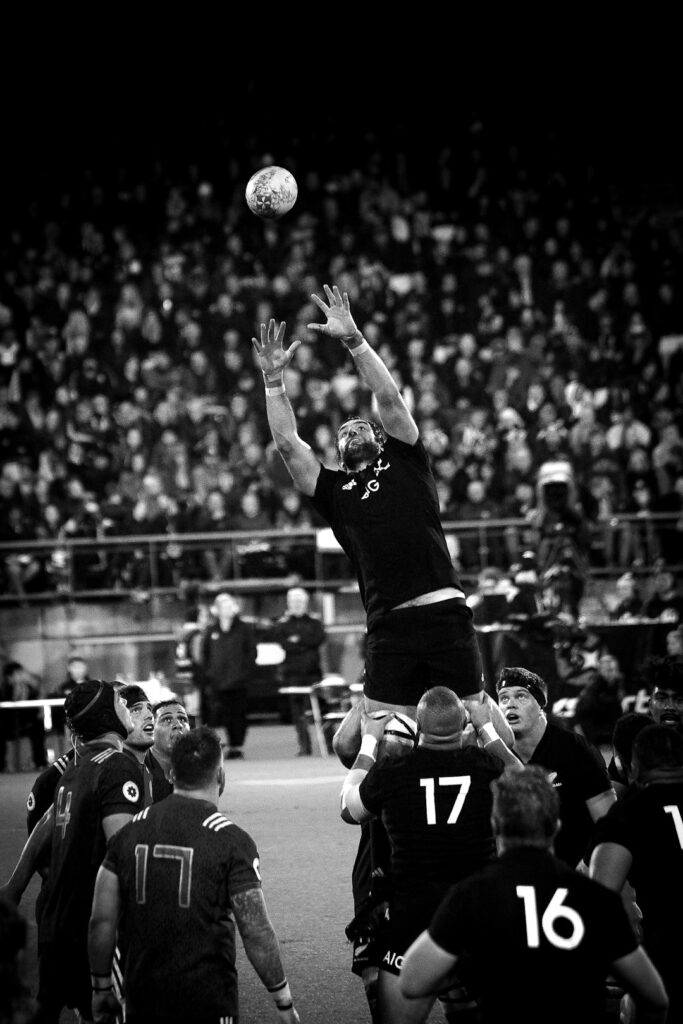
In rugby league, ankle sprains and shoulder dislocations happen frequently. An ankle sprain might occur during a tackle when a player lands awkwardly, causing swelling and pain that limits walking. Physios often use taping to support the ankle and proprioceptive exercises to retrain balance and coordination, reducing the chance of reinjury. Shoulder dislocations require immediate care to reposition the joint, followed by gradual rehab focusing on regaining range of motion and strengthening surrounding muscles.
The first step in any treatment is a detailed assessment. The physio checks the injury’s severity, movement restrictions, and pain triggers. This initial evaluation guides a personalised rehab plan. For instance, someone recovering from an ACL tear will likely follow a phased program, starting with gentle range of motion work, progressing to strength training and neuromuscular drills that improve joint control and body awareness.
Pro Performance Physiotherapy offers such tailored care, with a clear focus on preparing players to return safely. Return-to-play protocols are strict, they gradually increase activity intensity and include sport-specific drills under supervision. This approach helps avoid rushing back too soon, which often leads to re-injury or lingering weakness.
Strength and conditioning form an essential part of recovery. Rehab isn’t just about healing an injury; it’s about restoring overall fitness. Customized conditioning improves endurance, strength, and agility, attributes vital on the rugby field. Many players find that combining rehab with these exercises leads to better long-term results and fewer recurring issues.
One common pitfall is poor communication between physios, coaches, and players. If goals or progress aren’t clearly shared, rehab can stall or be less effective. Regular updates and realistic timelines help keep everyone on the same page, preventing frustration or premature returns.
For those exploring sports physiotherapy options, consulting a qualified physio is key. Evidence-based treatment tailored to each player’s injury type and lifestyle makes a difference in recovery speed and quality. Whether managing fresh injuries or ongoing problems, professional guidance helps set achievable targets and improves outcomes.
Sports physiotherapy supports rugby league players through tough recoveries with practical methods like pre- and post-surgical rehab and exercise physiology services at specialised clinics. Players aiming for a strong comeback can find more information about specific offerings at rugby league physio. For advice on general injury management and maintaining fitness during recovery, check out .