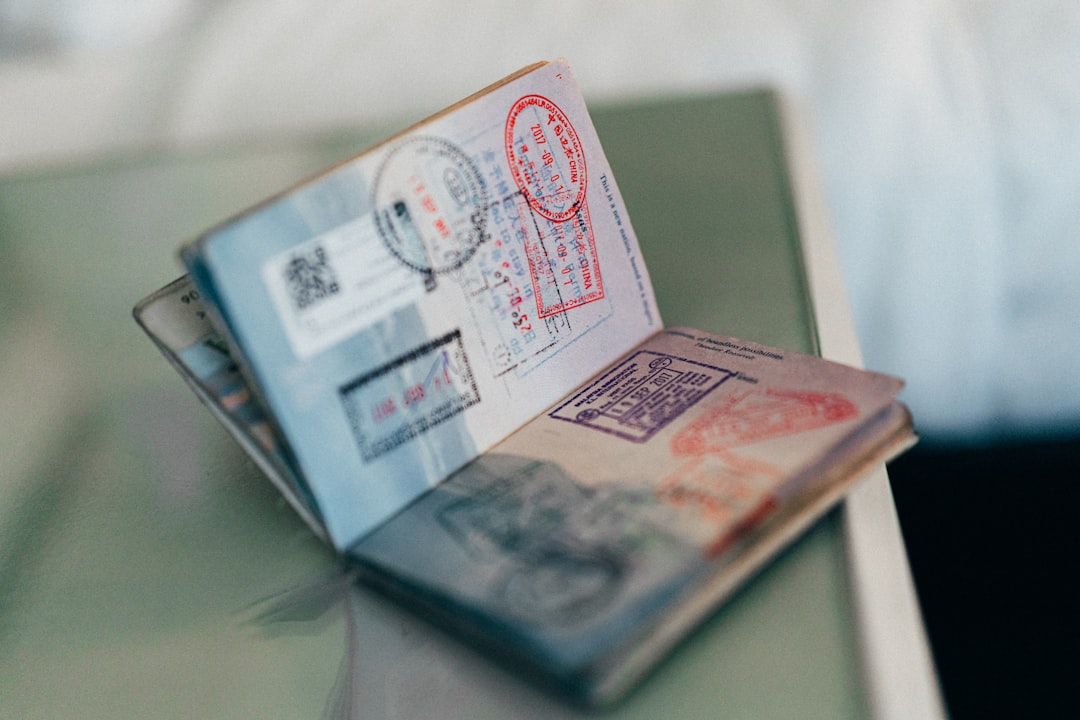


Start by deciding what kind of help you are buying. A consultant may review documents and explain requirements, coordinate transport, or manage several steps with airlines and service providers. Ask for a written description of the work rather than relying on a broad service label. For example, a family moving from Texas to France might need help organizing airline reservations, an approved health certificate, and arrival procedures. Someone driving from Chicago to Denver may only need crate-training suggestions and a checklist. A clear scope prevents you from paying for services that do not fit the journey.
A useful place to compare the level of support available is a pet travel consultant, but treat any provider page as a starting point for questions. Ask who checks the rules, how updates are handled, and what happens if an airline changes its requirements. Also confirm whether the consultant handles only planning or physically arranges transport. A responsible professional should tell you which details must be verified with government agencies, airlines, or a veterinarian. Rules can vary by destination and may change, so confident promises are less useful than a clear process for checking current information.
Pay close attention to technical terms that affect timing. A microchip is an identification device scanned to match an animal with its records, while a rabies vaccination record documents disease protection. A health certificate is a veterinarian’s statement about the animal’s condition and travel readiness, and an import permit is authorization that some destinations may require before arrival. These documents are not interchangeable. A consultant should explain which authority issues each item, how long it remains acceptable, and whether the order of steps matters. You should still confirm the final requirements through official destination and carrier sources.
Ask how the provider handles airline and transit details. A carrier’s pet policy may address cabin eligibility, cargo arrangements, kennel dimensions, temperature limits, check-in procedures, and breed or health restrictions. Transit rules matter because a stop in another country can create additional documentation needs even when the final destination is different. Imagine a dog flying from Miami to Athens through another European airport. The shortest route may not be the simplest if the connection creates a new compliance issue. A good consultant compares practical routes, explains tradeoffs, and identifies decisions that remain your responsibility.
Preparation at home deserves as much attention as paperwork. Crate acclimation means gradually teaching an animal to rest calmly in its travel kennel before departure, rather than introducing it on the day of the trip. Ask whether the consultant offers a realistic preparation timeline and advice suited to your pet’s temperament. A nervous older dog may need shorter practice sessions and a veterinary discussion, while a confident young dog may adjust more quickly. The consultant should not diagnose illness or replace veterinary care. Instead, the role is to connect travel planning with sensible questions for your veterinarian.
Finally, judge communication and contingency planning. Ask how often you will receive updates, who will answer urgent questions, and what happens if a flight is delayed, a document is rejected, or your pet becomes unwell before departure. Read the agreement for cancellation terms, included tasks, extra charges, and responsibility boundaries. Independent pet travel planning advice can help you prepare questions before the call. Choose the provider whose process is specific, transparent, and suited to your route, not simply the one with the most reassuring description.