
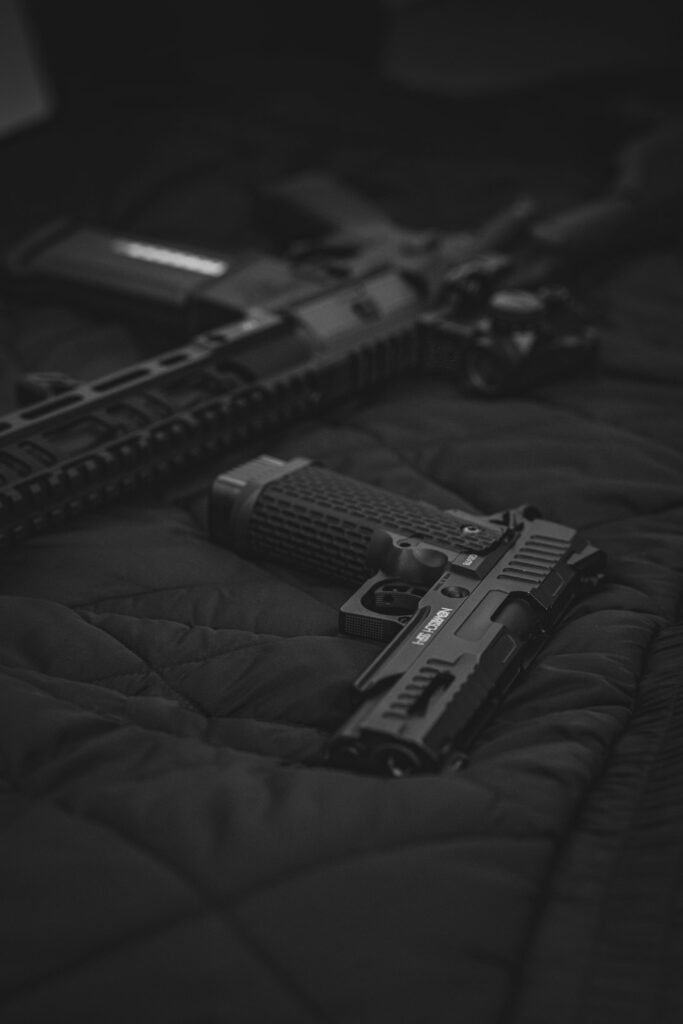

Red dot sights let shooters keep both eyes open, which helps maintain awareness of the environment. This can be a big deal when shots need to come fast and the situation around you matters. Unlike iron sights, you don’t have to line up front and rear posts, which often slows you down.
Take the RX-795 as an example of modern red dot tech. It has an IntelliDOT feature that adjusts brightness automatically depending on the lighting, so you don’t fiddle with controls mid-match. There’s also a battery indicator that alerts you when it’s time to swap batteries. This is a small but critical detail that prevents unexpected blackouts during a stage.
Competitors switching from iron sights often worry about losing their precision. But most find the red dot actually helps improve both speed and accuracy. Aiming becomes more instinctive since you just place the dot on the target instead of aligning two sight posts. In practice, this means quicker target acquisition and smoother follow-up shots.
Some assume red dots are only for seasoned shooters, but beginners benefit too. New competitors who struggle with sight picture usually see marked improvement using a red dot. It removes a layer of complexity, allowing them to focus on trigger control and stance rather than perfect alignment.
Choosing between iron sights and red dots depends largely on your personal style and the demands of your shooting discipline. Certain events still favor iron sights for their durability and simplicity. Still, many are moving toward options like the RX-795, which features buttonless tap controls that reduce distractions when adjusting settings under pressure.
When weighing your options, think about how each sight system fits your routine and goals. Checking out models like the RX-795 can shed light on how current optics might boost your performance on the range. For detailed information, visit competition handgun resources online.
A practical habit among competitors is to keep a log of battery changes and sight settings for each match. This prevents surprises and helps maintain consistency. Also, communicating clearly with range officers about sight equipment during registration avoids misunderstandings that can cause delays.
Red dot sights don’t replace fundamental skills; they enhance them. More shooters are adding these optics to their gear, showing they’re more than just a passing trend. For insights on reliable optics and setup tips, explore practical shooting gear advice available online.