
A lot of homeowners wrongly think only specific houses qualify for loft insulation grants. In truth, both older properties with traditional roofs and newer homes that fall short on thermal standards may be eligible. Factors like household income and whether you rent or own the property usually influence qualification. Local councils often run their own schemes tailored to different needs, so checking what’s available in your area is a smart move.
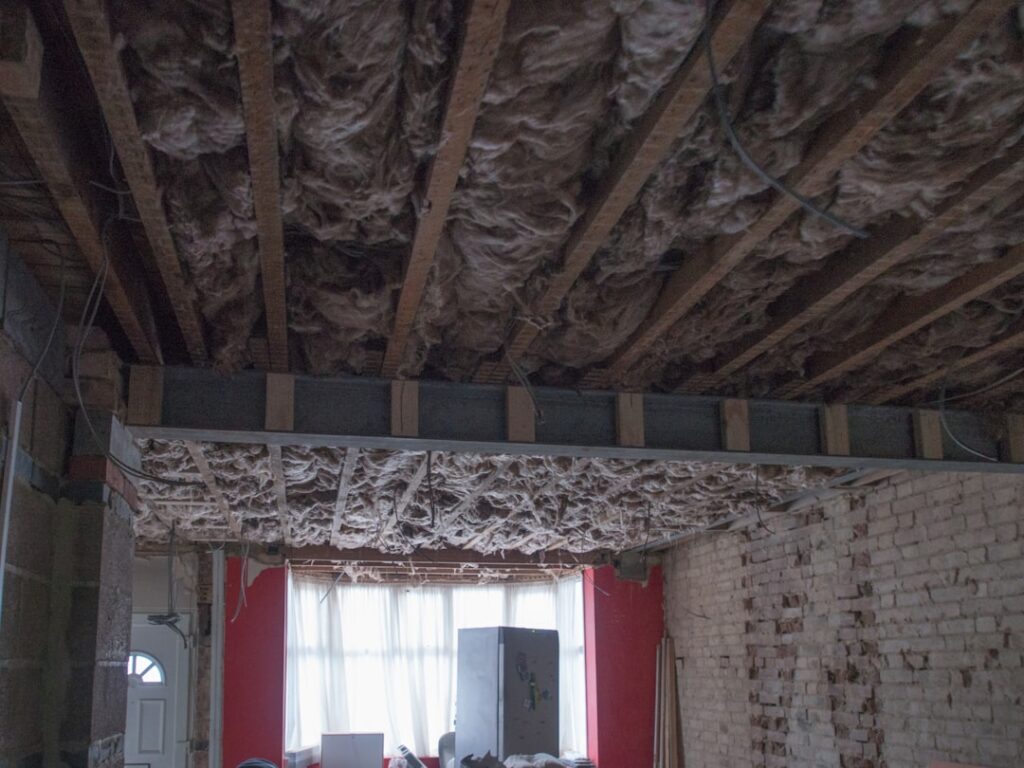
Insulation works by slowing heat transfer between indoors and out, keeping your home warmer in winter and cooler in summer. Materials like mineral wool, foam boards, and cellulose each have strengths and suit different property types. For example, mineral wool is popular because it’s fire resistant and easy to install between joists, while foam boards offer higher insulation with less thickness. Choosing the right material depends on your loft’s space and ventilation.
Energy Performance Certificates (EPCs) are another piece of the puzzle. In Scotland, properties get an EPC rating that measures energy efficiency. A low rating might qualify you for grants or schemes aimed at improvements. Upgrading loft insulation can boost your EPC score, which also adds value if you plan to sell later. Some buyers actively look for homes with better energy ratings to save on running costs.
Many worry the installation will disrupt their daily routine. In reality, professional installers usually finish quickly and neatly. They often use blanket insulation rolls which fit snugly between rafters without tearing up the loft floor or ceiling below. It’s common for installers to check for any existing wiring or pipes first to avoid damage and keep things safe. Having a clear workspace beforehand helps speed things along.
Grants are not the only financial help available. Tax incentives on energy-saving improvements can reduce the overall cost further. Homeowners find that investing in loft insulation cuts monthly energy bills and might bring additional savings from government schemes aimed at reducing carbon footprints. Combining grants with tax breaks can significantly lower upfront costs, making insulation upgrades more attractive.
Before applying for any grant, gather key documents like proof of income, property details, and your current energy performance report if you have one. Missing paperwork often delays approval or causes applications to be rejected outright. It’s also helpful to have a quote from a licensed installer ready to show the scope of work needed. These practical steps smooth the way through bureaucratic hurdles.
For more detailed information on available grants and tailored financial support, check out resources dedicated to loft insulation grants scotland. These sites provide guidance on eligibility and application tips specific to Scottish homeowners.
If you want to explore broader ways to improve home energy efficiency, including underfloor insulation and other upgrades, visit energy saving improvements in scotland. Understanding all your options can help you plan effective improvements that reduce bills and improve comfort year-round.