
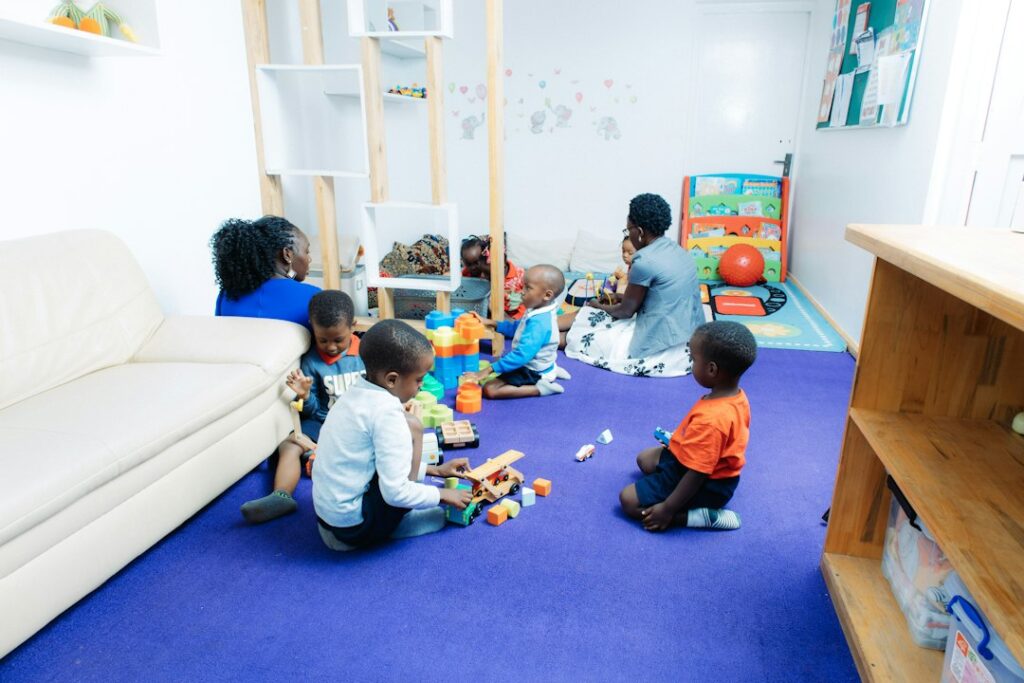

Childcare should not be judged only by worksheets, early reading or a quiet room. Young children learn through conversation, movement, imaginative play and practical experiences that are repeated over time. When comparing childcare te anau options, ask how planned experiences sit alongside child-led learning. This approach means educators notice an interest and extend it without directing every minute. For example, a child building a bridge with blocks might be practising balance, language, problem-solving and cooperation while appearing simply to be playing. The quality of that interaction matters more than how formal it looks.
A settled child may still cry, and a child who stops crying quickly may still need reassurance. Separation anxiety can return after illness, a holiday, a change at home or a disrupted sleep pattern. Settling in involves building trust through repeated arrivals, clear farewells and dependable responses. In a hypothetical example, a parent might begin with a short visit, leave briefly, then gradually extend the session as the child becomes familiar with the educators. Saying goodbye is generally clearer than disappearing. Progress can be uneven, with easy mornings followed by difficult ones, without meaning that the whole arrangement has failed.
Warm care is not the same as giving in to every demand. Attachment refers to the secure relationship a child develops with dependable adults who respond to needs with steadiness. An educator might crouch to greet a child, name the feeling, offer a cuddle if welcomed and then help the child join an activity. Co-regulation describes the adult lending calm through a gentle voice, patient presence and familiar steps until the child can manage strong feelings more independently. Comfort can sit alongside firm boundaries, such as preventing unsafe behaviour or helping children wait for a turn. Reassurance does not spoil children; it gives them practice with trust and recovery.
A relaxed, home-like atmosphere does not mean learning is unstructured. Predictable routines can help children anticipate what happens next, whether the sequence includes arrival, handwashing, food, play and rest. Educators can adapt those routines for individual needs, including naps, toileting, dietary information or a preference for quiet spaces. Developmental milestones are broad skills that emerge across a range of times, not a pass-or-fail checklist. Comparing children can hide steady progress in communication, coordination, social confidence and self-help. A useful question is how the centre notices and supports each child’s development, rather than whether every child reaches the same skill on the same schedule.
A visit is an opportunity to examine everyday relationships rather than just furniture and displays. Ask how educators share updates, respond to biting or hitting, manage allergies, support toileting and help a child who needs time away from busy play. Ask how learning is observed and communicated, too, since one formal report cannot show every small change. Families seeking a supportive childcare setting should notice whether adults listen carefully, speak respectfully and make room for different temperaments. Consider whether staff welcome questions and explain how they would work with the family when a child’s needs change.
Preparation for childcare in Te Anau can be simple and specific. Passing the setting on a walk, talking about the order of the day and practising opening a lunchbox may make the first session less mysterious. If permitted, a familiar comfort item can offer reassurance. Share the words your child uses for family members, signs of tiredness and the approaches that help after frustration. Keep farewells warm, honest and reasonably brief, then allow time for trust to develop. A suitable centre should support learning and development while also offering dependable care. The most useful measure is whether the arrangement helps your child feel increasingly secure, understood and ready to take part.