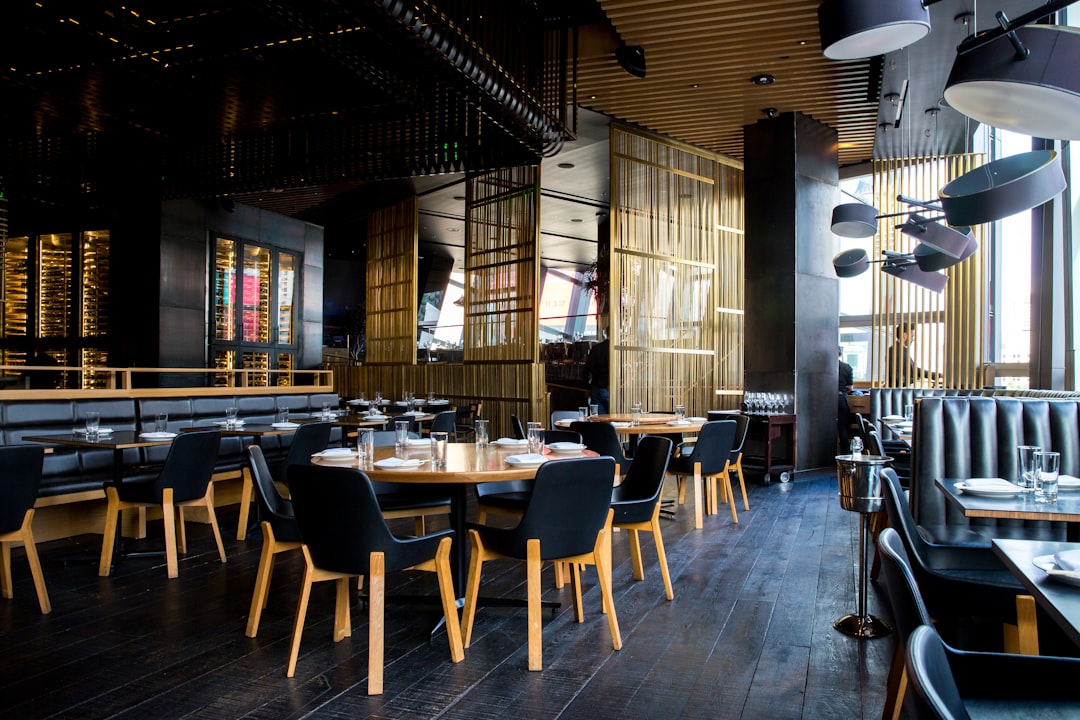

Smart restaurant design impacts customer behavior more than many realize. An inviting setup can increase order size. Cozy booths encourage lingering, which often leads to dessert or additional drinks. Communal tables work well in casual spots, fostering conversation among strangers and filling seats during peak hours. Choosing the right furniture and spacing is more than aesthetics, it’s about maximizing comfort and boosting sales by anticipating how guests use the space. Practical details like table height, lighting angles, and even sound control contribute to a positive dining atmosphere.
Creative direction goes beyond picking colors or furniture. It’s about building a brand story through interiors. A fine dining steakhouse might favor deep mahogany finishes and leather seating to project elegance. On the other hand, a family-friendly café could use bright tones and mismatched chairs to feel playful and approachable. Ensuring all elements align with the restaurant’s identity helps customers connect emotionally with the place. It also makes training staff easier when everyone shares a clear vision of the environment they’re working in.
The concept phase turns ideas into reality. Whether aiming for an industrial look with exposed brick and metal fixtures or a coastal retreat vibe with light woods and nautical accents, having a solid plan guides every choice. Designers often start with mood boards and sketches, then adjust based on site limitations and budget constraints. A practical habit is double-checking mechanical plans early on to avoid surprises during construction. Clear communication between designers, contractors, and owners prevents costly rework later.
Location matters as much as design. Signing a lease requires understanding who your customers are and when they come in. A spot near nightlife will attract late-night crowds looking for drinks and snacks, while an area close to offices suits quick lunches or early dinners. Lease negotiations often include restrictions on signage or operating hours that affect visibility and revenue potential. Aligning these factors with the restaurant’s concept ensures the space functions well both operationally and financially.
Managing the build-out phase involves juggling timelines, budgets, and quality controls. Regular site visits help catch issues like wiring errors or plumbing conflicts before they escalate. Coordinating deliveries to avoid clutter keeps the workspace safer and more efficient. Many restaurants underestimate how much time design tweaks or permit delays add to the schedule, so building in buffer days is wise. The goal is to open on time without sacrificing safety standards or final finishes.
For owners wanting to refine their spaces further, consulting services can advise on property selection and interior tweaks that improve usability without losing style. These consultants often suggest small changes, like repositioning a bar entrance or adding storage behind the scenes, that make daily operations smoother. They also have experience handling local code requirements and can guide clients through paperwork, helping avoid last-minute roadblocks.
Good restaurant design balances creativity with practical needs. Every decision influences how guests feel and behave, from the first step inside to the moment they leave. If you want interiors that match your vision and enhance your business, consider exploring restaurant design and construct options tailored to your goals.
Investing in thoughtful design isn’t just for looks; it shapes how customers perceive your brand and affects your bottom line. A thoughtfully styled space tells a story that draws people in and keeps them coming back. Ready to elevate your restaurant’s atmosphere? Reach out for help with restaurant layout planning that fits your unique needs.