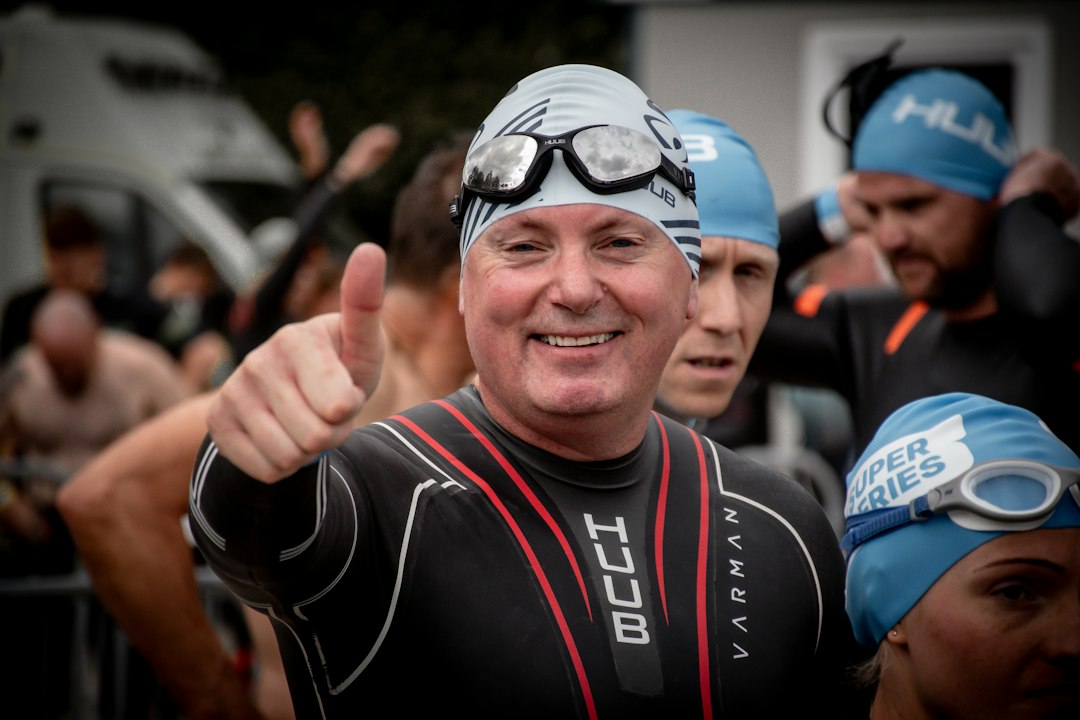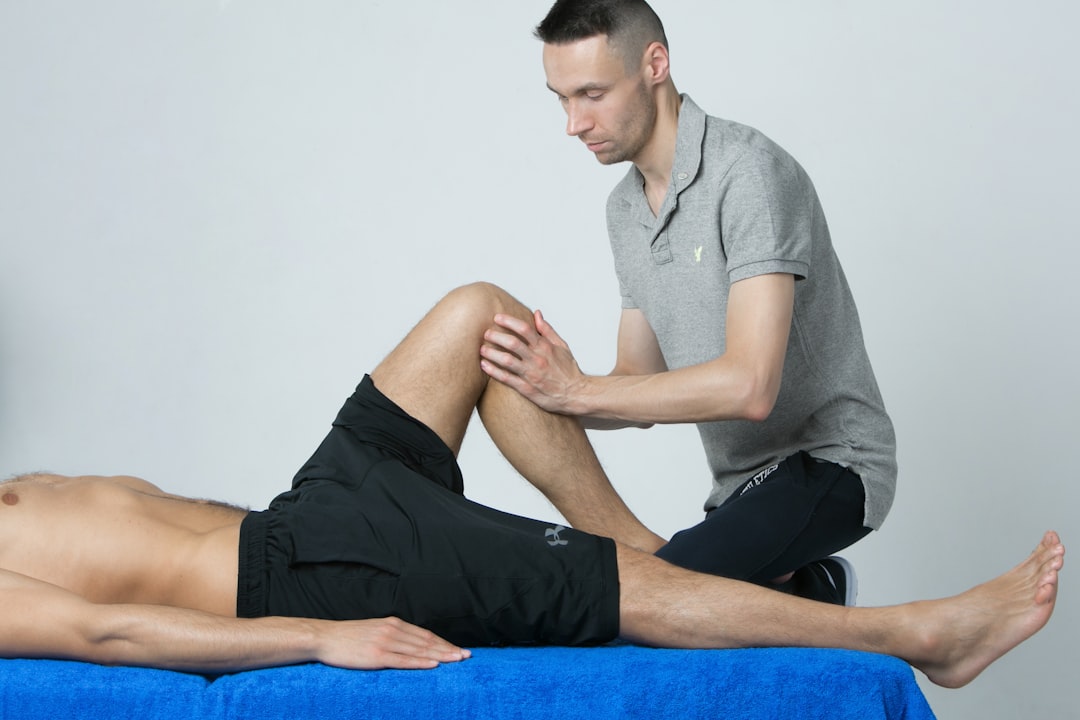


Sports physiotherapy zeroes in on injuries linked to athletic activity. Unlike general physio, it’s tailored to athletes’ specific needs. A sports physio will assess not only the injury but also how your body moves during your sport. For example, if a runner keeps spraining an ankle, the physio might check their gait or muscle strength imbalances that contribute to repeated problems. Identifying these details helps avoid quick fixes that don’t last.
A major part of the process is crafting rehab programs that fit your sport and your body’s requirements. A football player with a pulled hamstring will get exercises different from a swimmer recovering from a shoulder strain. These programs often include strengthening weak muscles, improving flexibility, and gradually reintroducing sport-specific movements. It’s common for physios to adjust plans regularly based on your progress and any new issues that pop up.
Beyond fixing injuries, sports physiotherapists focus heavily on prevention. They perform functional assessments to find weak spots or flawed movement patterns that increase injury risk. This could mean analyzing how you squat, jump, or sprint during drills. From there, they design exercises and techniques to address those risks before injury happens. It’s about being proactive, not just reactive.
Education is a core part of what they do. Many athletes underestimate how important proper warm-ups and cool-downs are, or they ignore small aches until those become serious injuries. A good sports physio will teach you how to manage these minor issues and maintain your body’s health through training cycles. They’ll also explain why resting completely for too long can actually delay healing by causing stiffness and muscle loss.
One practical detail is how physiotherapists often use video analysis during sessions. This lets you see exactly what’s wrong with your technique and track improvements over time. They might also provide tools like foam rollers or suggest specific stretches to do at home, which helps keep recovery on track between appointments. Communication is key; misunderstandings about pain levels or exercise routines can slow progress, so clear guidance matters.
If you’re injured or want to boost your performance safely, seeing a qualified sports physiotherapist makes a real difference. They combine hands-on treatment with tailored exercise plans and education suited to your individual needs. For more details on how a physiotherapist for sports injuries can help you get back on track efficiently, reach out to a local clinic.
Taking care of your body isn’t optional if you want to stay in the game. Whether preparing for an event or trying to avoid future injuries, working with someone who understands the demands of your sport can save you time and frustration. For ongoing support and practical advice on managing sports injuries, check out sports injury treatment options.