
Visualization is one technique these coaches use. It’s more than daydreaming; it’s practicing your moves mentally before doing them physically. For example, a runner picturing crossing the finish line strong can reduce race-day jitters by making the experience feel familiar. A coach guides you through clear, detailed mental rehearsals that translate to smoother execution when it counts.
Self-talk is another key area. Negative inner dialogue can sabotage your confidence faster than any opponent. Coaches help athletes shift from “I’m going to fail” to “I’m ready and capable.” Changing these internal messages isn’t just feel-good fluff, it’s about rewiring how you approach challenges. Positive affirmations become a habit that supports your confidence under pressure.
Setting realistic goals matters too. Coaches work with you to break down big ambitions into achievable steps. This approach keeps motivation steady and lets you celebrate progress regularly. Small wins build trust in your abilities and keep you moving forward without overwhelming pressure.
Take a basketball player struggling with free throws during tight moments. A coach might analyze their stance, shooting mechanics, and breathing patterns, then design drills that combine physical practice with mental exercises to stay calm. This blend improves accuracy and builds mental toughness needed in crunch time.
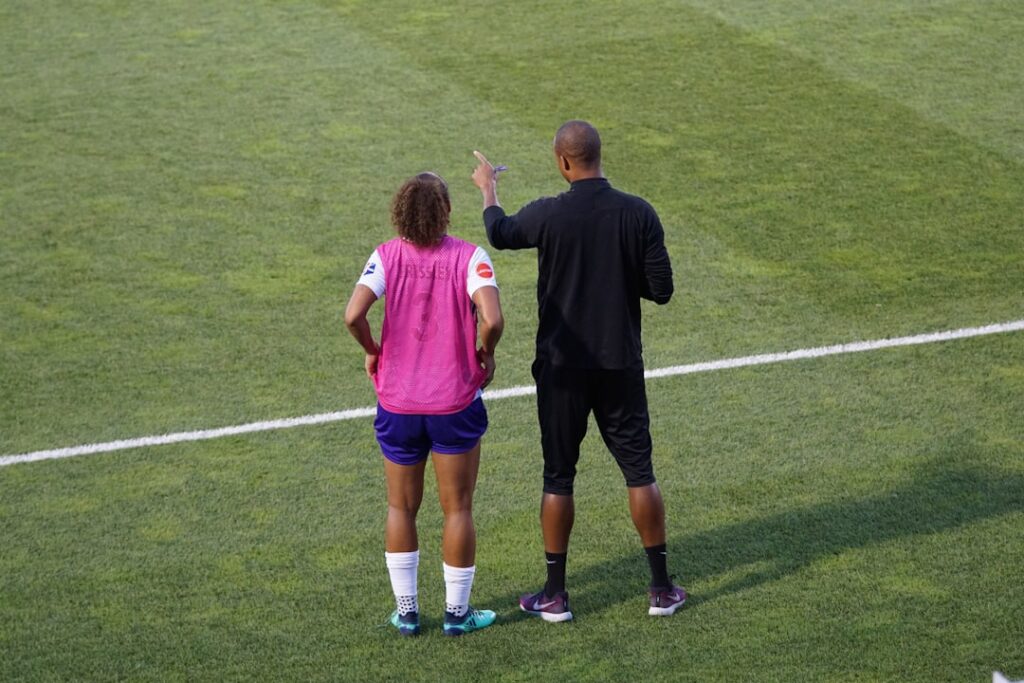
The relationship between athlete and coach is built on trust and honest communication. Open talks about fears or setbacks allow coaches to tailor advice specifically to what you need. This kind of personalized feedback makes the difference between generic tips and strategies that actually stick and improve results.
Seeking a confidence building coach is increasingly common among athletes serious about their performance. Mental training is no longer an afterthought but part of routine development alongside physical workouts. Coaches now have psychological tools that complement physical drills, helping athletes train their minds as well as their bodies.
If you want to explore this further, consider consulting a mental training resource for athletes. Talking to someone experienced in confidence techniques can provide practical strategies tailored to your sport and challenges. Small adjustments in mindset and preparation often lead to big improvements on competition day.