

Chinese medicine draws from thousands of years of experience. It includes acupuncture, dietary advice, and herbal remedies. Herbal medicine is particularly detailed, using thousands of plants with specific effects. Practitioners rarely use one herb alone. Instead, they create custom blends tailored to the individual. These formulas address diverse issues such as digestive troubles, stress, or persistent pain.
Herbal treatments aren’t a one-size-fits-all solution. Two people showing similar symptoms might receive very different prescriptions based on their unique body type and lifestyle. This personalized care reflects a key principle: treat the person, not just the illness. Practitioners often take detailed notes on diet, sleep patterns, and emotional health before deciding on a remedy.
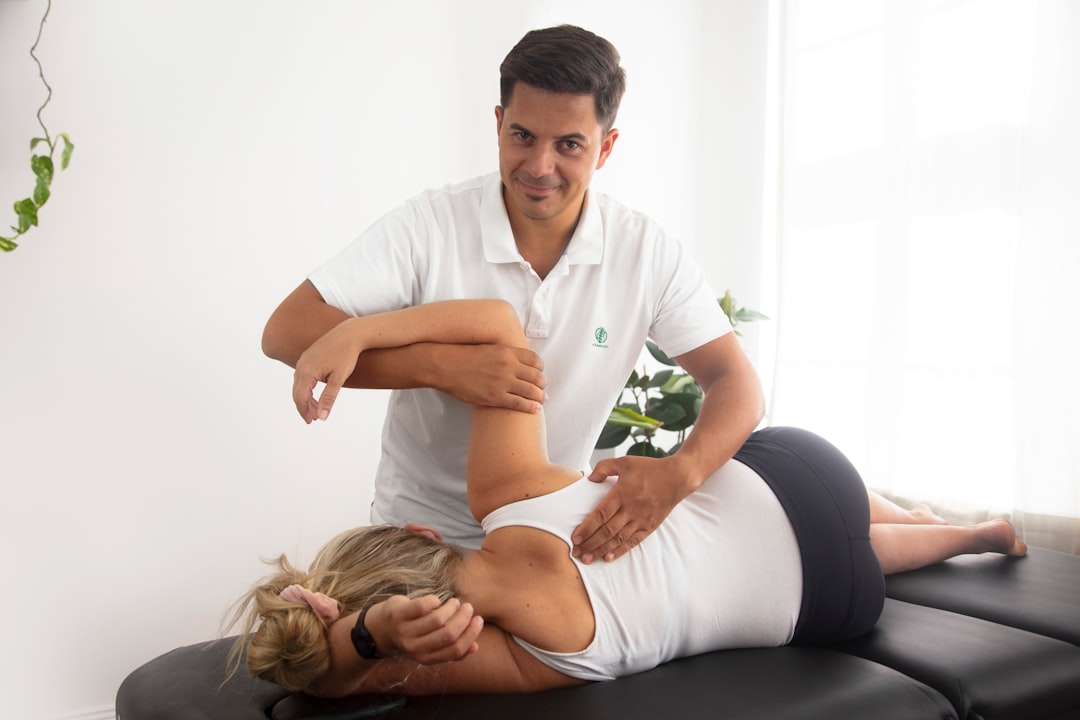
Acupuncture works alongside herbs by targeting precise points on the body to improve the flow of Qi, or energy. Thin needles stimulate these areas to clear blockages and encourage healing. Many patients notice immediate changes like reduced tension or less pain right after a session. Acupuncture can be particularly effective for headaches, joint pain, and anxiety.
Some skepticism around Chinese medicine exists due to misconceptions about its scientific basis. However, research supports many aspects of its practice. Acupuncture has been shown to help ease pain and lower stress levels in clinical studies. Certain herbs have anti-inflammatory or digestive benefits, ginger is widely used for nausea, and ginseng is known for improving stamina. Practitioners pay close attention to sourcing herbs and dosing carefully to avoid side effects.
At Elemental Chinese Medicine, the focus is on blending traditional techniques with modern health care. Their practitioners spend time educating patients about how these treatments work and what to expect during therapy. For example, initial consultations often include thorough health histories and discussions about diet and sleep habits, which helps avoid misunderstandings about treatment duration or effects.
If you want to relieve chronic symptoms or just improve your vitality, exploring chinese medicine melbourne offers a genuine alternative approach. Chinese medicine is not quick fix; it requires patients to engage actively with their health, often making small lifestyle adjustments that help sustain benefits.
Visiting a qualified practitioner can shed light on how these ancient therapies fit into everyday health management. Many patients find that combining herbal formulas with acupuncture sessions leads to better outcomes than either treatment alone. Simple habits like keeping a symptom diary or communicating clearly about side effects also help practitioners refine treatments over time.
To learn more about these approaches and how they can support your wellbeing, check out natural health treatments in melbourne. Understanding the practicalities of these therapies can open up new ways to manage your health beyond conventional medicine.