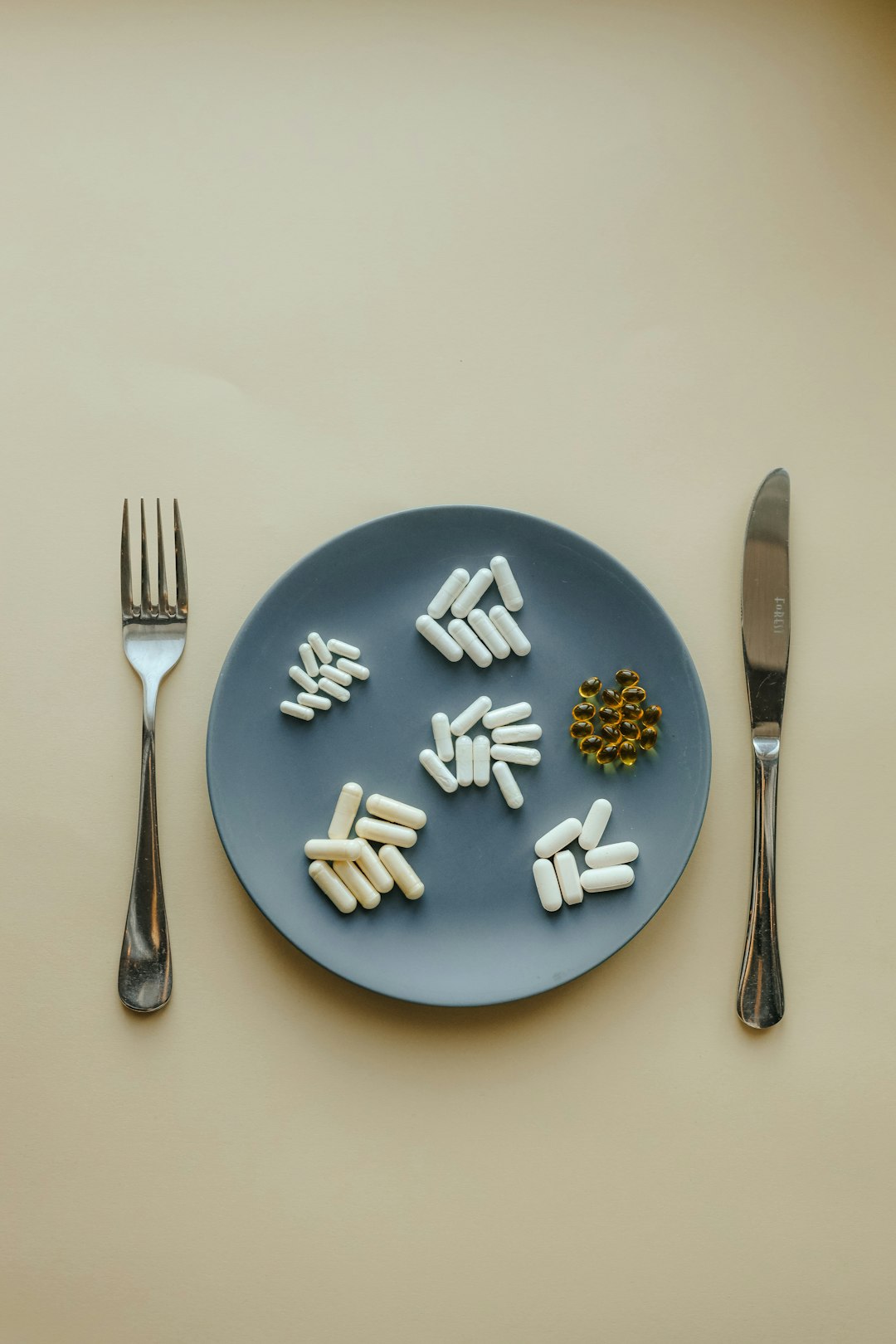


The immune system is a coordinated network rather than a single defense switch. White blood cells help identify and respond to threats, while the skin and digestive tract provide important barriers. Vitamins and minerals support normal body processes involved in that work, but extra intake does not automatically produce extra benefit. A deficiency can impair normal function, while a person who already meets nutritional needs may gain little from adding more. Restricted food choices, poor appetite, or a confirmed deficiency can make supplementation more relevant than it is for someone eating a varied diet.
Begin with the Supplement Facts panel, not the front label. Note the serving size, amount per serving, and form of each nutrient. Vitamin C, vitamin D, zinc, and selenium appear in many formulas, but they do not have identical roles or the same evidence for routine use in every person. If you already take a multivitamin, fortified drink, or separate mineral product, copy those ingredients onto a single note in your phone. Comparing that note with the new label can reveal duplication before you pay for a product. For a clearly labeled option, review an immune support supplement without treating its marketing claims as medical advice.
Dosage is only part of the question. Bioavailability refers to the portion of a nutrient that reaches circulation and can be used by the body. Chemical form, food, digestion, and timing can affect it. Vitamins A, D, E, and K are fat-soluble and are stored more readily than water-soluble vitamins, so unnecessary high intake deserves particular caution. Minerals may also compete with one another or interact with medicines. Follow the stated serving instructions rather than assuming a larger dose works faster. A pharmacist can help separate supplements from prescription drugs if timing may matter.
Consider how the product would fit real life. A parent who eats breakfast in the car and relies on a short list of convenient foods may benefit from professional guidance about a possible gap, while adding beans, eggs, fruit, vegetables, or other accessible foods addresses the broader pattern. Someone working overnight may set out a labeled bottle beside the meal they reliably eat, but a supplement will not repair chronic sleep loss. Pairing a clearly chosen product with a consistent daily wellness routine can make adherence easier without suggesting that the capsule carries the whole burden.
Safety checks should happen before the first dose, not after a problem appears. Supplements may interact with prescription medicines, affect laboratory testing, or be unsuitable during pregnancy, kidney disease, liver disease, or certain treatments. Excessive zinc intake can cause adverse effects and may interfere with some medicines. Herbal ingredients also warrant review because natural origin does not guarantee safety or predictable interactions. Bring the bottle, a photo of its Supplement Facts panel, and a current medication list to a pharmacist if you take regular medicine, have a chronic condition, or expect to use the product for several months.
A sensible purchasing process is plain and specific. Choose transparent amounts, avoid language that suggests disease treatment, and define the reason for trying the product before opening it. Record the start date and any other vitamins, fortified foods, or medicines, then reassess whether the intended nutritional need still exists. Stop and seek advice after a concerning reaction rather than adding another product to counter it. For some people, a modest supplement has a reasonable place beside better meals, water, handwashing, and a realistic bedtime. For others, checking the diet or discussing symptoms with a clinician is the more useful next step.