
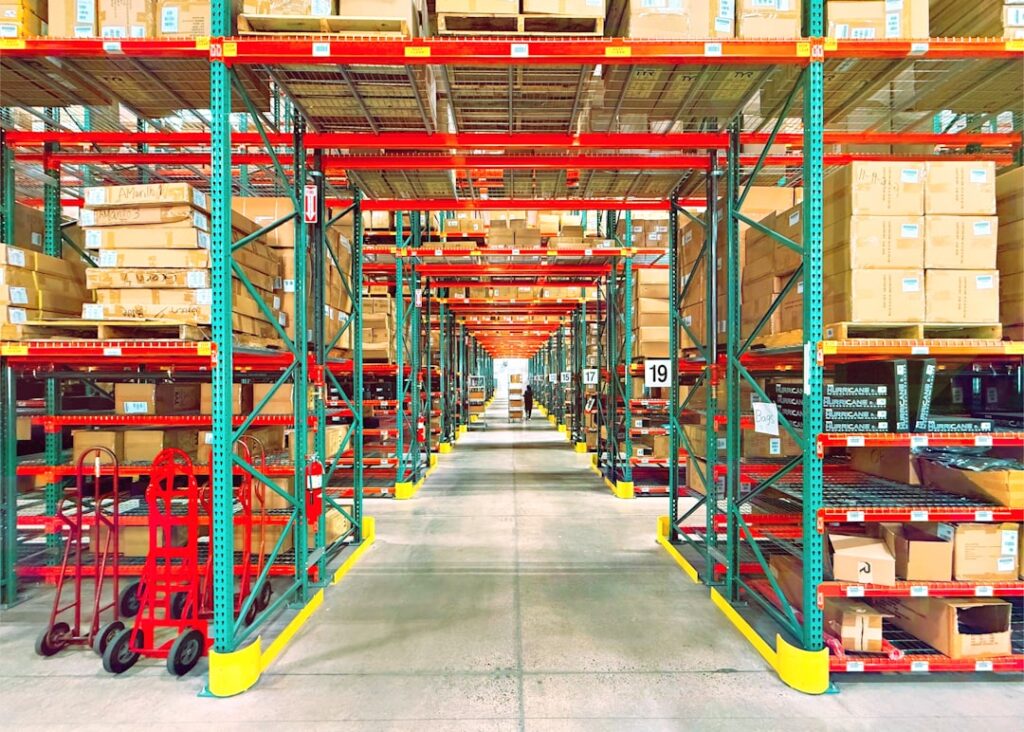

A recent shipment exemplified the problem when fifty units of a popular gadget arrived but only twenty were entered into the system. This error wasn’t caught until customers complained about missing stock on the floor. Sales associates couldn’t inform buyers accurately because they had no real-time info about availability or backorders. The mismatch between what was physically in stock and what was recorded created wasted time and lost sales. It also damaged customer trust, which took effort to rebuild.
To tackle these issues, the manager explored barcode scanning technology as a practical fix. Barcode scanners automate inventory tracking by capturing item details instantly when products come in or go out. This reduces human error from manual entry, speeds up processing, and keeps digital records aligned with physical stock. The team began scanning shipments upon delivery and at checkout, creating a live inventory snapshot that updated across systems immediately. This helped avoid discrepancies that previously caused confusion.
Implementing barcode technology also provided clearer visibility into how inventory moved around the store. When a product sold, the system automatically adjusted stock counts everywhere it was listed, including any online sales channels. This prevented overselling items that were no longer available and gave staff accurate info to share with customers. The manager found that using barcode scanners cut down on time spent chasing down missing items and eliminated repetitive data entry errors caused by handwriting or typos.
After adopting the barcode system, the store saw quick improvements. Inventory audits became faster and more accurate because employees could scan items rather than count them manually. Stock replenishment orders were more precise since managers had trustworthy data on product turnover rates. Staff morale improved because scanning was straightforward compared to juggling paper records or spreadsheets. The pace of sales service increased as employees spent less time handling inventory paperwork and more time helping shoppers find what they needed.
Looking ahead, the manager realized barcode scanners offered scalability for future growth. As the product range expanded, tracking every SKU manually would have become unmanageable. Barcode technology easily accommodated new items without disrupting existing processes or requiring complex retraining. They also integrated scanning with purchase orders and supplier invoices to catch discrepancies early during receiving, preventing mistakes before they reached the sales floor. This proactive approach minimized returns and complaints.
Introducing barcode scanning also changed team dynamics positively. Employees understood their role in keeping accurate records and took ownership of scanning procedures during receiving and sales. Regular training sessions reinforced best practices like scanning every item twice if uncertain, checking labels for damage, and updating stock status promptly. These sessions doubled as chances for staff to share tips and troubleshoot issues together, building stronger communication around inventory management.
Overall, switching from manual logs to barcode scanning transformed inventory control from a headache into a manageable daily routine. For retailers dealing with misplaced products and inaccurate counts, looking into dear inventory systems can provide practical tools tailored to their needs. Investing in technology that fits the business helps maintain accurate stock levels and makes room for growth without extra stress.
For those wanting guidance on setting up or improving their inventory tracking, inventory management advice online offers useful resources. From tips on scanner models to workflow adjustments, accessible information can support better decision-making based on real-world experience.