
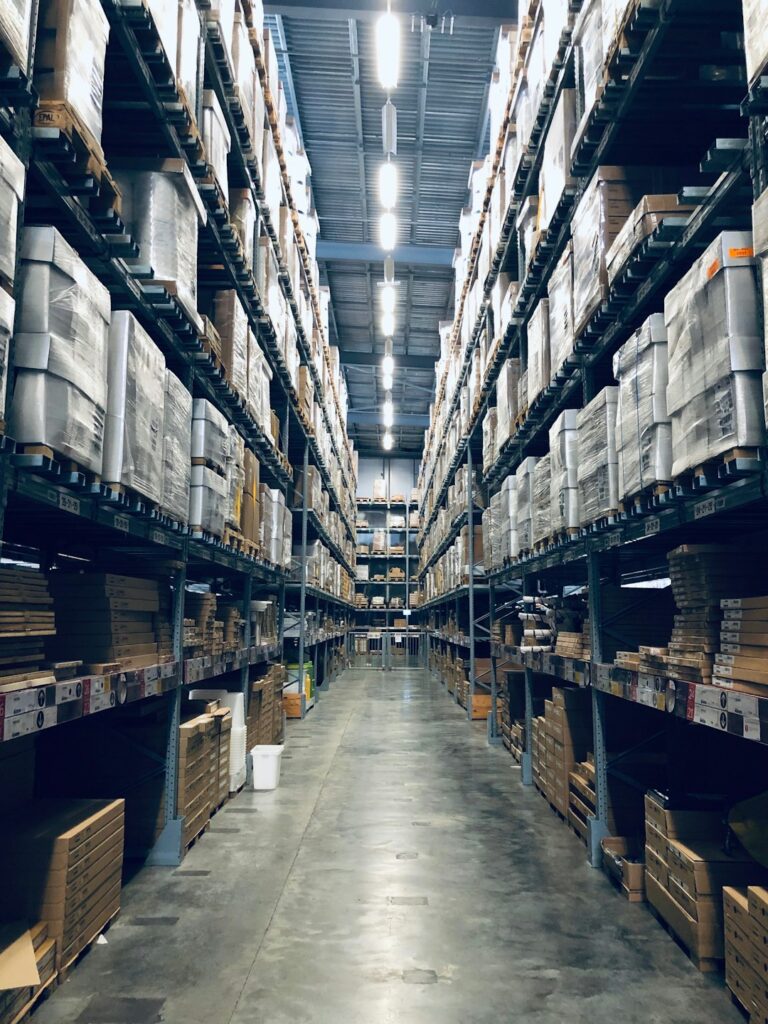

The company soon realizes this approach isn’t sustainable. Buying small quantities from multiple suppliers means missing out on bulk discounts. Quality varies between vendors, which causes production delays and extra expenses. The core problem is not regularly reviewing and consolidating the vendor list, which could boost efficiency and cut costs.
To fix this, the company starts vendor rationalization. They assess each supplier’s performance using criteria like on-time delivery, product quality, and cost competitiveness. This process helps identify dependable partners worth deeper collaboration. Focusing on fewer vendors improves bargaining power and strengthens the supply chain against disruptions.
For example, they cut down their steel sourcing from three vendors to one reliable supplier. This move lowers paperwork and administrative work while enabling a long-term contract with a better price. The result is lower material costs and steady delivery of quality steel, which speeds up production.
Introducing a centralized procurement platform also makes a big difference. Integrating all vendor data into one system gives real-time visibility into stock levels and order progress. This helps avoid last-minute shortages or excess inventory tying up cash flow. The purchasing team can act faster and more accurately based on current information.
A retail company faced a similar issue with multiple software providers for point-of-sale and inventory management systems. Each system required different training for employees and complicated reporting. After rationalizing their software vendors and selecting an integrated platform that handles both tasks, they streamlined operations. Staff productivity improved, transactions sped up, and inventory tracking became more reliable.
Vendor rationalization pays off beyond immediate savings. It frees resources previously spent managing many relationships, allowing businesses to invest in technology upgrades that foster innovation. Shifting focus to key suppliers also reduces miscommunication, like mismatched delivery schedules or inconsistent product specs, that often causes rework or delays in production.
Effective vendor rationalization starts with a clear evaluation of current suppliers against business needs. It requires discipline to cut ties with underperforming vendors and build stronger partnerships with the best ones. With the right tools and data, companies can improve operational clarity and make smarter investments in procurement and IT. For those ready to refine their approach, understanding how to implement vendor rationalization is an important step.
Reduced supplier numbers simplify contract management and improve compliance tracking. Regular supplier audits, clear communication channels, and standardized ordering processes prevent errors and duplicate efforts. Using vendor performance tracking methods also helps maintain quality standards over time while fostering accountability.