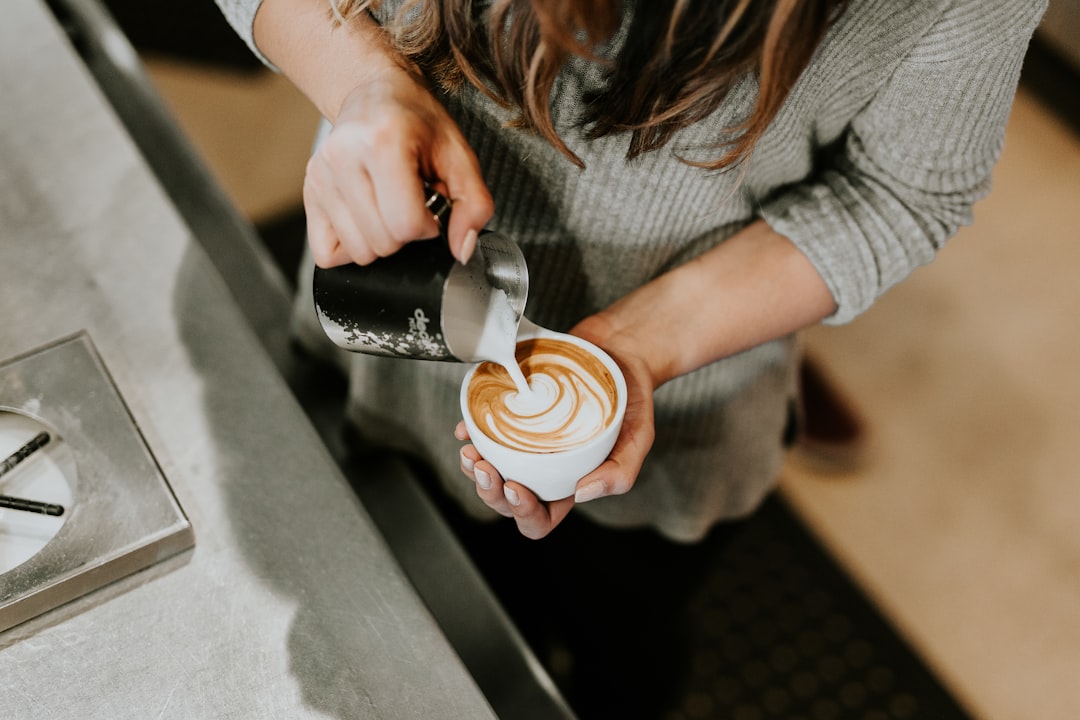


One key benefit of online barista training is access to experienced instructors from different coffee cultures. Video tutorials break down techniques like latte art with clear visuals, and interactive exercises let learners practice at their own speed. For example, watching how to pour a rosette or heart shape step-by-step helps build muscle memory before trying it behind the counter. That said, practicing at home means you need equipment, an espresso machine, grinder, and steaming wand, which not everyone can afford or has space for. Traditional classes often solve this by providing gear on-site.
The lack of immediate feedback is another challenge with remote learning. A beginner might struggle with grind size or tamp pressure without someone there to adjust and explain in real time. Without that instant correction, mistakes can become habits. Some online courses offer live sessions or forums for questions, but these can’t fully replicate the hands-on coaching found in person.
For cafés investing in online training, supplementing lessons with group practice sessions is essential. Staff should gather regularly to review techniques together, troubleshoot common problems like uneven extraction or milk temperature, and keep standards consistent. A practical tip many trainers recommend is having a shared logbook where baristas note machine settings and any changes made during shifts. It saves confusion when different people operate the equipment.
Customer interaction also gets attention in online programs. Handling rush-hour pressure, remembering regulars’ preferences, and maintaining a welcoming attitude are covered through role-play videos and scenario discussions. These exercises prepare trainees for real-world situations they’ll face daily.
Some courses even delve into cleaning routines and maintenance schedules, tasks often overlooked but critical for espresso quality and machine longevity. Knowing when to backflush the group head or descale the machine can prevent breakdowns and keep drinks tasting consistent.
If you’re interested in exploring what’s available, a range of platforms offer barista lessons online tailored to beginners through to advanced practitioners. Investing time in barista lessons online can improve skills noticeably and boost customer satisfaction.
For advice on running your coffee business more effectively, check out practical café management tips. Understanding both the art of coffee and the demands of business operations helps create a smoother workflow and happier staff.