
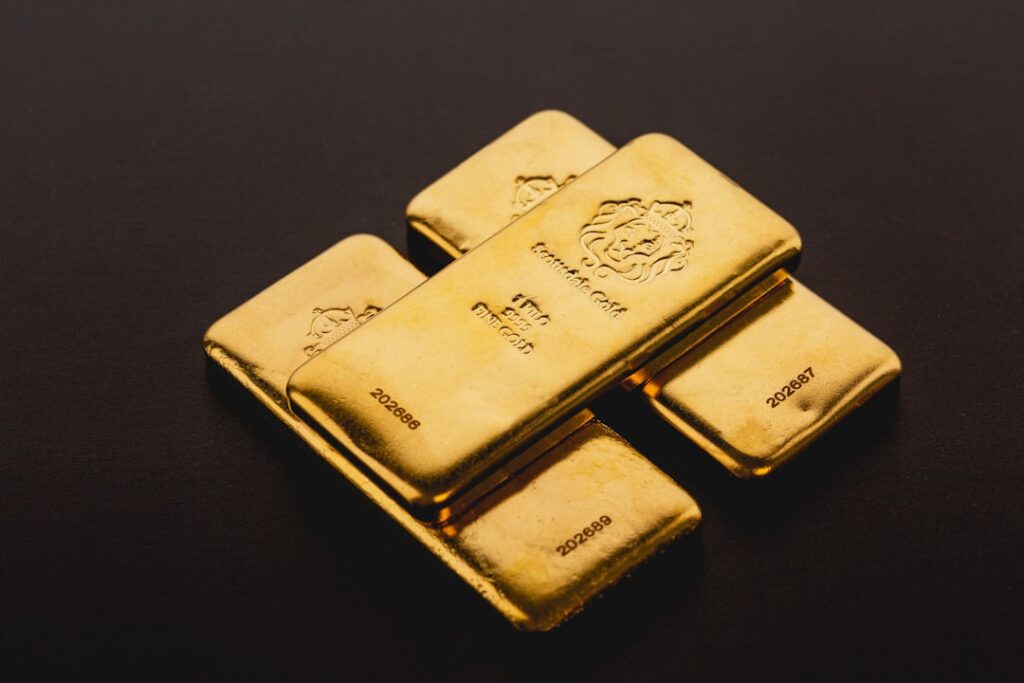

Start by learning about the types of silver bars available. Cast bars are simply molten silver poured into molds, resulting in a rougher surface and less uniform shapes. Minted bars, on the other hand, go through a precise stamping process that leaves them smooth and polished. This finish affects their appeal, especially to collectors who may pay premiums for the cleaner look of minted bars. Your choice here impacts not just aesthetics but resale value too.
Check the purity closely. Most silver bullion bars contain 99.9% pure silver, often marked as .999 fine silver. Insist on verifying this purity through certificates or assay cards from recognized dealers. When buying locally or online, ask for documentation upfront. Without it, you risk overpaying for subpar metals or facing trouble selling later. Keep the paperwork organized; it’s the first thing buyers will request when you want to cash out.
Storage is frequently overlooked but vital. Unlike smaller coins you might stash at home or in a safety deposit box, larger silver bars demand more secure handling because of their weight and value. Many investors use professional vaults specializing in precious metals that offer insurance coverage as well. Compare costs, access restrictions, and insurance terms before choosing. Some prefer home safes with heavy-duty locks, but these come with risks if your home isn’t secure enough.
If you run a business adding silver bullion to your assets, stay alert to market shifts. Silver prices can swing dramatically based on supply shortages, demand surges, and global economic news. Tracking these changes helps you find better entry points. Joining forums or local investing groups focused on precious metals can provide practical tips and firsthand experiences. Beware of hype; focus on facts and verified trends.
Taxes are a factor many skip but shouldn’t ignore. In some places, buying physical silver triggers sales tax, which adds to your upfront cost. When you sell later, capital gains tax may apply on your profits depending on holding period and local laws. Keep detailed records of purchase dates, prices, and sales transactions. Consulting a financial advisor familiar with precious metal taxation can save headaches and unexpected bills.
Owning silver bullion bars combines tangible security with potential long-term gains. As you delve into this investment, keep track of bar type, purity verification, safe storage options, market timing strategies, and tax rules to protect your money effectively. Also, regular reviews of your holdings help avoid surprises and keep your portfolio balanced.
Whether you’re seasoned or just starting out, staying updated on practical management of silver assets matters. Reading current articles or engaging with knowledgeable communities sharpens your understanding and helps sidestep common pitfalls. Always rely on straightforward, factual resources when considering tax guidance for precious metals.