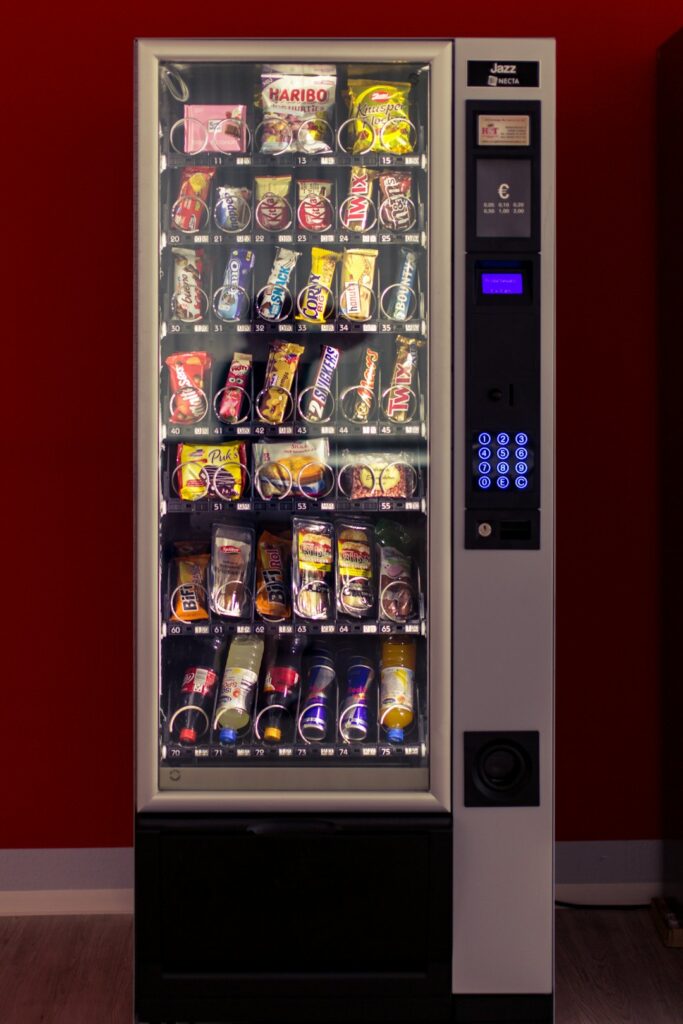

For a practical comparison, review drink machines brisbane by usable capacity, refrigeration, payment hardware and service access. Selection count alone can give a misleading impression. If water, cola and energy drinks sell quickly, those products may need several positions even in a cabinet with many selections. Slow-moving premium drinks can occupy space without improving availability. Ask how often the machine can be restocked and whether the operator can adjust the product mix after observing real sales. A short review after the first few weeks often reveals more than a purchasing decision based only on the number of buttons.
Cooling performance depends on installation as well as the refrigeration unit. Most refrigerated machines remove heat from the storage compartment through a compressor and airflow system, so ventilation openings must remain clear. Do not press the cabinet hard against a wall or place it inside a tight cupboard. Dust on an intake can restrict airflow, while a hot surrounding area may make the unit work harder. If a customer reports warm cans, check the power outlet, cabinet temperature, door seal and clearance around the machine before requesting major technical work. Record the time of day and the affected selections, since intermittent warmth can point to an operating condition rather than a complete refrigeration failure.
Payment equipment deserves a physical test at the intended site. A cashless reader may accept cards, phones or other supported methods, but it also depends on communication with the payment service and the machine controller. Contactless describes the tap method; it does not describe every stage of authorisation, product release and refund handling. Test a contactless card, a phone and any other payment method the workforce is likely to use. Check the result on the machine display and confirm that the product drops. A showroom demonstration cannot reveal weak mobile coverage, poor signal inside a warehouse or a reader positioned where users cannot comfortably reach it.
Product planning should follow the habits of the people using the machine. In a warehouse with staggered shifts, workers may buy cold drinks at several different times rather than during one shared break. Ask the site contact which products disappear first, which price points matter and whether staff expect water, low-sugar drinks or familiar staples. Keep labels facing forward and make sure the display can be read under the available lighting, including after dark near an external entrance. During each refill, place newer stock behind older items and check expiry dates. A quick photo of the filled spirals can help the operator compare layout and stock levels on the next visit.
Telemetry can improve refill planning, but only if someone acts on the information. The system may report sales, stock counts or fault alerts to an operator, yet it cannot clear a jammed delivery mechanism or restore a failed power supply. It also depends on a reliable connection and accurate machine data. Before enabling remote monitoring, nominate the person who checks the dashboard and record how often it is reviewed. Set a practical response process: a low-stock alert may wait for the next scheduled visit, while repeated payment failures may need a site check. An unread alert feed creates the appearance of control without improving service.
The delivery route needs the same attention as the final position. Measure door widths, lift entrances, corridor turns and any steps, then confirm those measurements against the cabinet dimensions and the space needed to open its service door. Check the outlet location and ensure the machine can be connected without a trailing lead across a walkway. Leave room for restocking and repairs, and keep the cabinet away from roof leaks, wash-down areas and direct sprinkler discharge. In a shared building, confirm delivery hours, loading arrangements and floor protection with the facilities contact. A note in the building access document can prevent a crew arriving when the lift or loading bay is unavailable.
Routine servicing starts with noticing small changes. Increasing compressor noise, condensation, slow product drops, rejected payments, repeated refunds or a widening difference between sales and physical stock can signal a developing fault. Keep a simple log showing refill dates, cleaning, refunds, error messages and the selections affected. Before requesting vending equipment maintenance, include the machine location, the first time the problem was noticed and whether it occurs on every transaction or only with one product. Sending that information with a clear photo of the display gives the technician a useful starting point and makes recurring faults easier to separate from isolated user errors.