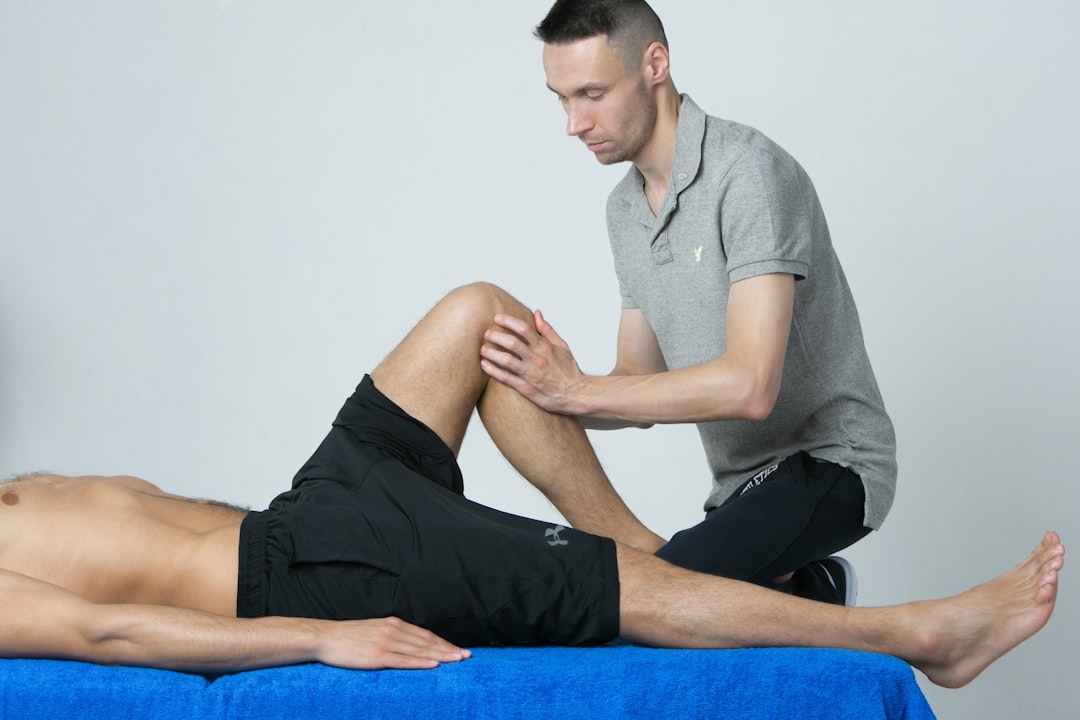
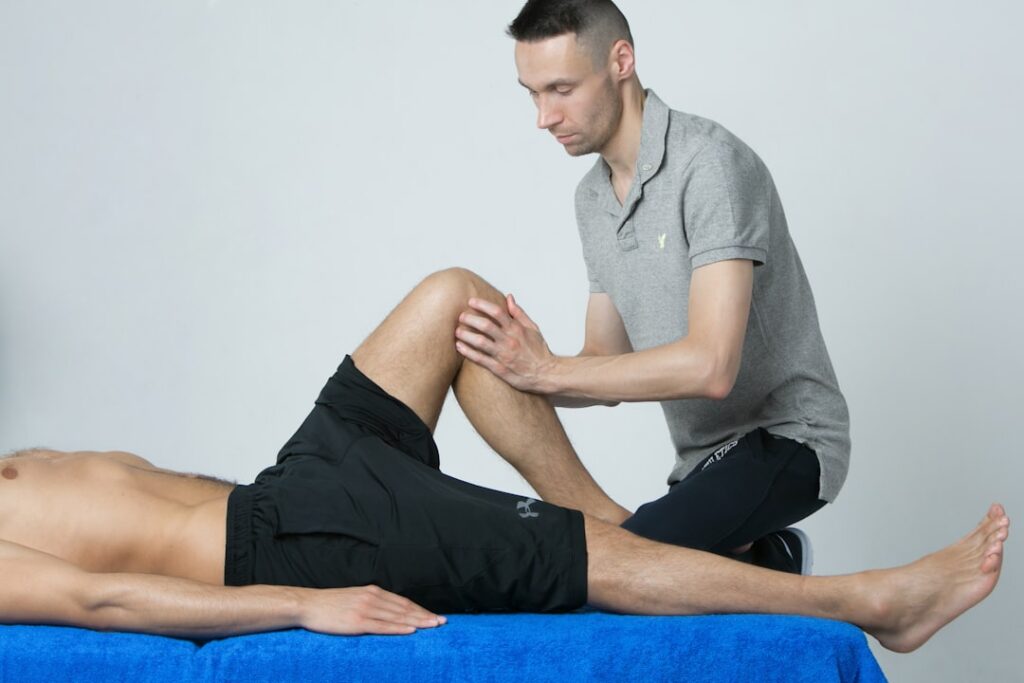

A common misunderstanding is that physiotherapy is only for athletes or people recovering from surgery. In fact, physiotherapists treat a broad range of issues, including chronic conditions like arthritis and repetitive strain injuries. Take carpal tunnel syndrome, for example. Targeted exercises and manual techniques can relieve pressure on the median nerve and improve hand function. Office workers dealing with tension headaches may benefit from posture corrections and stretching routines tailored to their work habits, reducing muscle tightness and preventing further strain.
Many expect that physiotherapy means frequent, ongoing appointments lasting months. While some cases need intensive care at the start, most patients notice progress within a handful of sessions. For example, someone with knee osteoarthritis might begin with weekly visits focusing on strengthening muscles around the joint and learning how to protect it during daily tasks. As strength builds and pain diminishes, these visits often become less frequent, shifting towards independent management supported by occasional check-ins.
Physiotherapy techniques rely on evidence-based practices to target pain and dysfunction effectively. Methods such as dry needling help release muscle knots and improve circulation, while ultrasound therapy can reduce inflammation and promote tissue healing. Therapeutic exercises are customized to each person’s needs, focusing on restoring movement and building stability. A thorough initial assessment is key. It often includes reviewing medical history, watching how you move, and pinpointing problem areas to address underlying causes rather than just symptoms.
People sometimes think physiotherapy uses a one-size-fits-all approach, but treatment plans are carefully tailored after detailed evaluations. For instance, shoulder pain might stem from poor posture rather than injury alone. In such cases, correcting alignment and strengthening supporting muscles is prioritized over symptom masking. Physiotherapists also educate patients on performing exercises safely at home and suggest lifestyle changes to support recovery and prevent new issues. This hands-on guidance equips you to manage your condition beyond the clinic.
Incorporating education is vital in physiotherapy. Patients learn how to do exercises correctly and receive advice on everyday habits that affect their health. Simple changes like adjusting workstation setup or taking regular breaks to stretch can make a significant difference. Resources such as physio sydney offer helpful information about ongoing care strategies that support long-term wellbeing.
Understanding what physiotherapy really involves can remove hesitation about seeking help. Whether dealing with persistent aches or recovering from injury, consulting a qualified physiotherapist can improve how your body functions daily. It’s practical to explore local services to find professionals experienced with your specific condition. Talking with others who have undergone treatment can also provide useful perspectives as you decide on your path forward.
For those ready to take steps toward better physical health, checking out options nearby is a good start. Connecting with practitioners knowledgeable about various musculoskeletal issues ensures you get care designed for your situation. Visit rehabilitation support in sydney for details on how physiotherapy helps regain mobility and reduce pain effectively.