
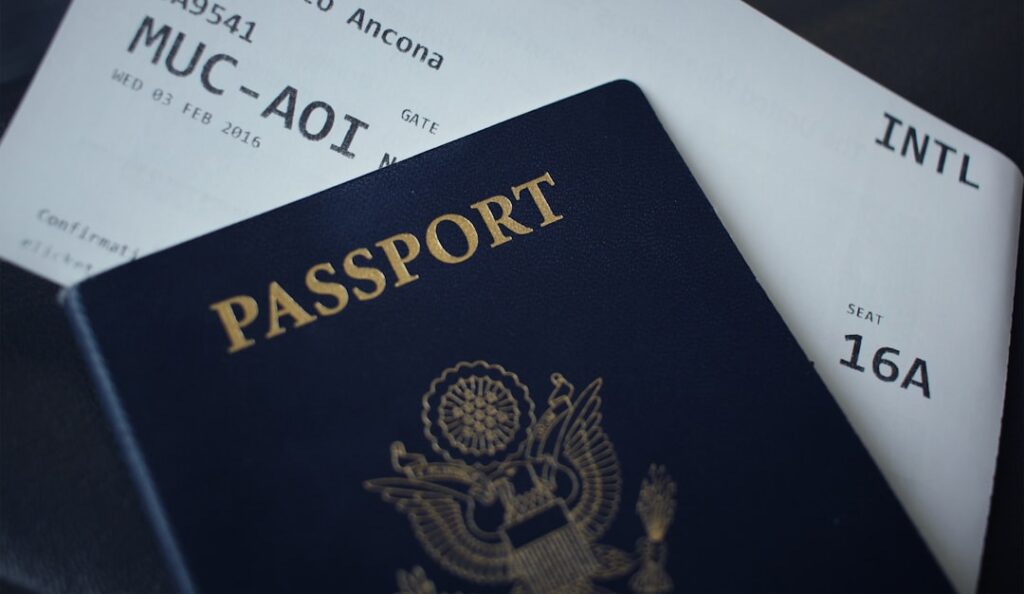

A widespread misconception is that getting the digital nomad visa is quick and requires little paperwork. The truth is it demands careful preparation. Applicants must prove stable employment, a sufficient income, and valid health insurance. Freelancers, for example, need to provide contracts or invoices covering several months to confirm steady earnings. Spanish authorities want assurance that visitors can support themselves financially, which protects both the applicant and the country.
Some believe the visa lets holders work freely for any company worldwide. That’s only partly true. The visa specifically targets remote workers employed by companies outside Spain. It does not allow local employment or business registration within Spain. This boundary is important, working locally without the right permit can cause serious legal trouble.
Take an IT consultant aiming to move to Madrid while keeping their London-based job. They might expect a smooth process, but they must first gather the correct documents and meet eligibility rules connected to the spain digital nomad visa. This means proving their work doesn’t compete with the Spanish labor market and showing they have enough funds to cover living expenses during their stay.
People often assume the digital nomad visa leads directly to permanent residency. Usually, it lasts one year and can be renewed if certain conditions are met. Staying on top of renewal deadlines and any changes in immigration laws is vital. Ignoring these details risks losing legal status.
Since Brexit, UK nationals face more hurdles with EU immigration rules. Demand for tailored advice on relocating staff and maintaining compliance has grown sharply. Businesses need clear strategies to deal with new regulations affecting cross-border employment and residency.
Reliable immigration guidance is crucial for companies expanding internationally. Whether securing work permits or understanding post-Brexit EU policies, good advice can ease transitions. Those looking for detailed assistance should consider contacting remote work visa advice.