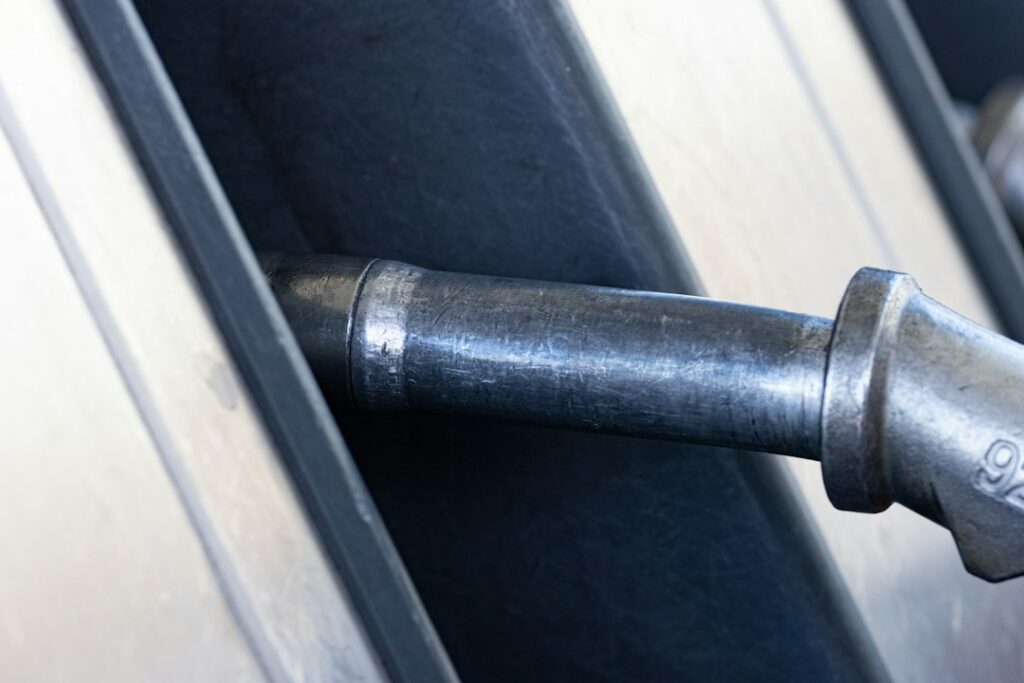

The method centers on triple rinsing rather than one quick splash. After the container has been emptied according to the product label and site procedure, clean water is introduced, the container is moved or rotated so water reaches its interior, and the rinse liquid is captured. The sequence is performed three times when the applicable instructions call for triple rinsing. A directed spray can reach areas that a casual hose rinse may miss, including the inside near the opening. Product information for this type of nozzle describes a cycle of about 60 seconds, although actual duration depends on water flow, container size, operator technique, and setup.
Manual rinsing can still suit a small operation that handles only a few containers and already has a safe collection method. A nozzle becomes more useful as container volume rises or workers need rinse water returned directly to a spray tank. It also creates a consistent task that is easier to demonstrate to a new employee. The equipment must match the work, though. Check the available water connection, container sizes, mounting arrangement, and receiving tank location before purchase. A fast rinse has limited value if an operator must hold an unstable container or move liquid across the mixing area.
Consider a landscaping crew that empties several containers during a morning application. Without a fixed rinse point, a worker may carry each container to a separate wash area, then remember which packages have been processed. A nozzle near the mixing station can keep emptying, rinsing, and collection in one routine. A grower with occasional container use may favor a compact setup and simple connections instead of maximum throughput. In either case, a useful habit is to keep rinsed and unrinsed containers physically separate. That small process step prevents a second worker from repeating or skipping the rinse.
Water pressure and spray coverage deserve practical review. Pressure supplies the force that cleans the interior, but excessive force can cause splashing or make a lightweight container shift. A narrow jet may concentrate on stubborn residue, while broader coverage may wash more of the interior without as much rotation. The nozzle should be positioned so the container remains over the spray tank or another approved receptacle throughout the cycle. Operators still need the protective equipment, ventilation, handling practices, and label directions required for the material in use. Rinsing equipment does not replace those controls.
Ask the supplier about installation, compatible fittings, replacement parts, clog cleaning, and storage between applications. Read the instructions for the specific nozzle rather than assuming every model operates the same way. Review the product label and the site safety procedure beside the supplier’s container rinsing guidance, especially if the operation refers to EPA compliance. Such a description should be checked against documentation for the particular product and intended use. A supervisor might also mark the rinse step on the daily application record, giving workers a simple place to note that the process was completed.
Before selecting a system, watch one complete container-handling cycle at the actual mixing location. Record where the product, water, rinse liquid, and empty packaging go, then identify any splash, reach, or storage problems. Test the nozzle with the container types used on site and confirm that the water supply remains adequate during the cycle. Ask who will service a clogged nozzle and what workers should do if the equipment is unavailable. A practical trial can reveal more than a brochure. If captured triple rinsing fits the workflow and the equipment can be used consistently, a jet rinse nozzle may provide a sensible, repeatable cleanup method.