

Wet filtration is commonly used to separate solids from liquids across many industrial sectors. It uses materials such as process belts and filter cloths to catch particles while letting water flow through. For example, mining sites rely on wet filtration not just to clean water but also to salvage minerals while keeping contaminants from escaping into the environment.
Process belts are central to wet filtration setups. They move slurry or wastewater through different filtering stages, needing to endure constant contact with abrasive materials and chemicals. The wrong belt can tear or degrade quickly, causing downtime. Operators often check belt tension and alignment regularly to avoid uneven wear that leads to unexpected failures.
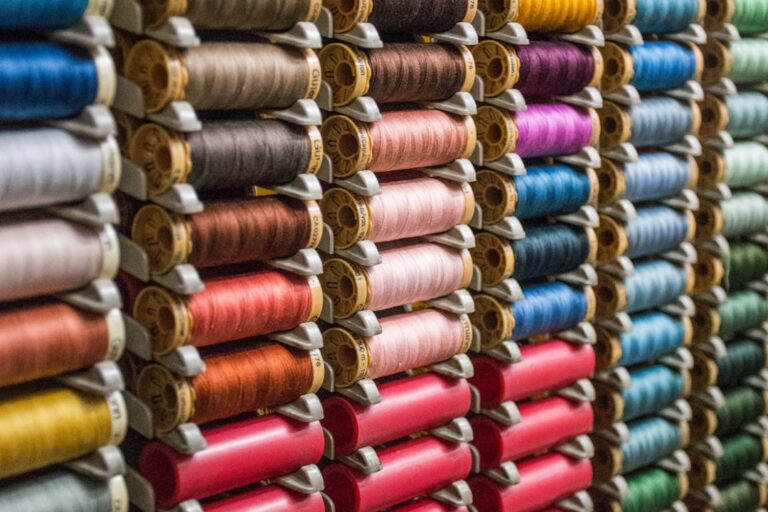
Filter cloths act as sieves in these systems, trapping solids but allowing clear water through. The fabric choice matters a lot; a tight weave keeps finer particles out but may slow flow, impacting throughput. Some operations swap cloths seasonally or based on the type of solids they’re filtering to maintain performance without clogging.
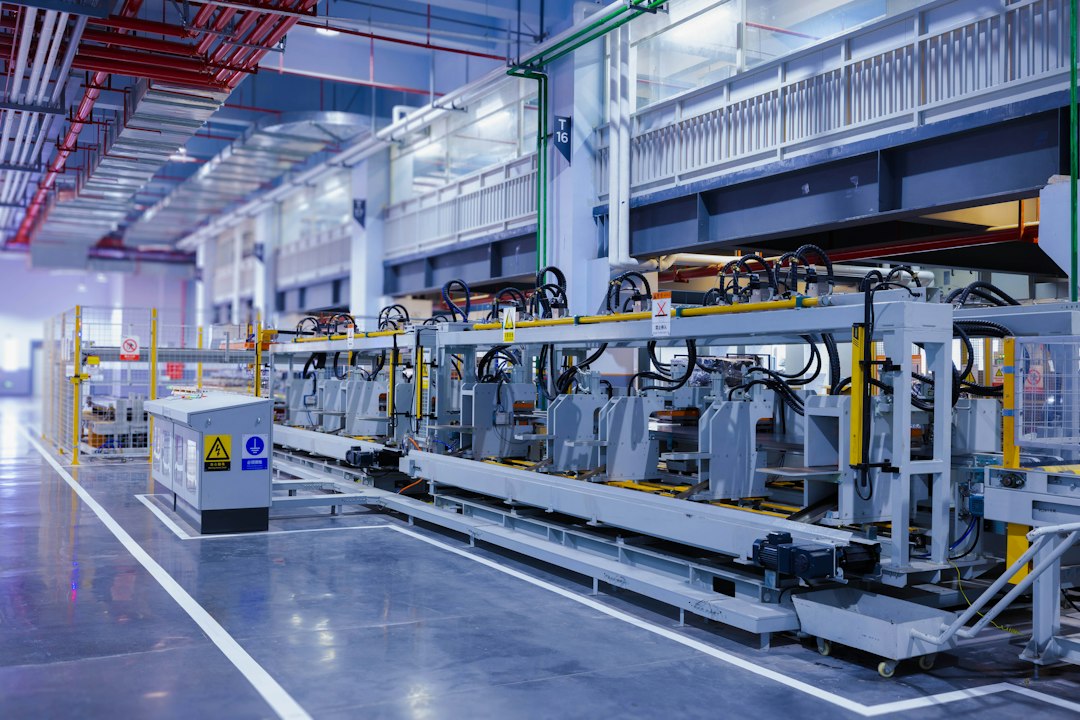
Designing an engineered filtration solution starts with assessing your specific needs. That means measuring flow rates, identifying contaminants, and considering space limits in your plant. Custom systems often include features like automated cleaning cycles or modular components to fit unique layouts. It’s common for teams to review past maintenance logs and water quality results before finalising specs.
Reliability is key. A good wet filtration system runs smoothly without frequent breakdowns. Maintenance should be straightforward, quick filter cloth changes and easy access to belts help reduce downtime. Operators typically schedule daily inspections and keep spare parts on hand to handle wear items before they cause issues.
For those exploring options, checking out products available online can reveal which systems match operational demands best. Comparing standard units with tailored designs helps clarify cost versus benefit. Sometimes a standard solution works fine if conditions are stable; other times, a customised approach is worth the investment.
If you want advice on picking the right components or need a filtration system built around your plant’s challenges, talking to knowledgeable professionals is the way forward. They can provide insights based on real-world experience, helping avoid common pitfalls like over- or under-sizing equipment or selecting incompatible materials.
Planning ahead and sticking to routine checks can save time and money down the road. Also, reviewing water test reports regularly ensures the filtration system meets required standards consistently. These practical steps keep operations running steadily without surprises.
Explore more about industrial water filtration products tailored for different needs. For local service and detailed product information, visit .