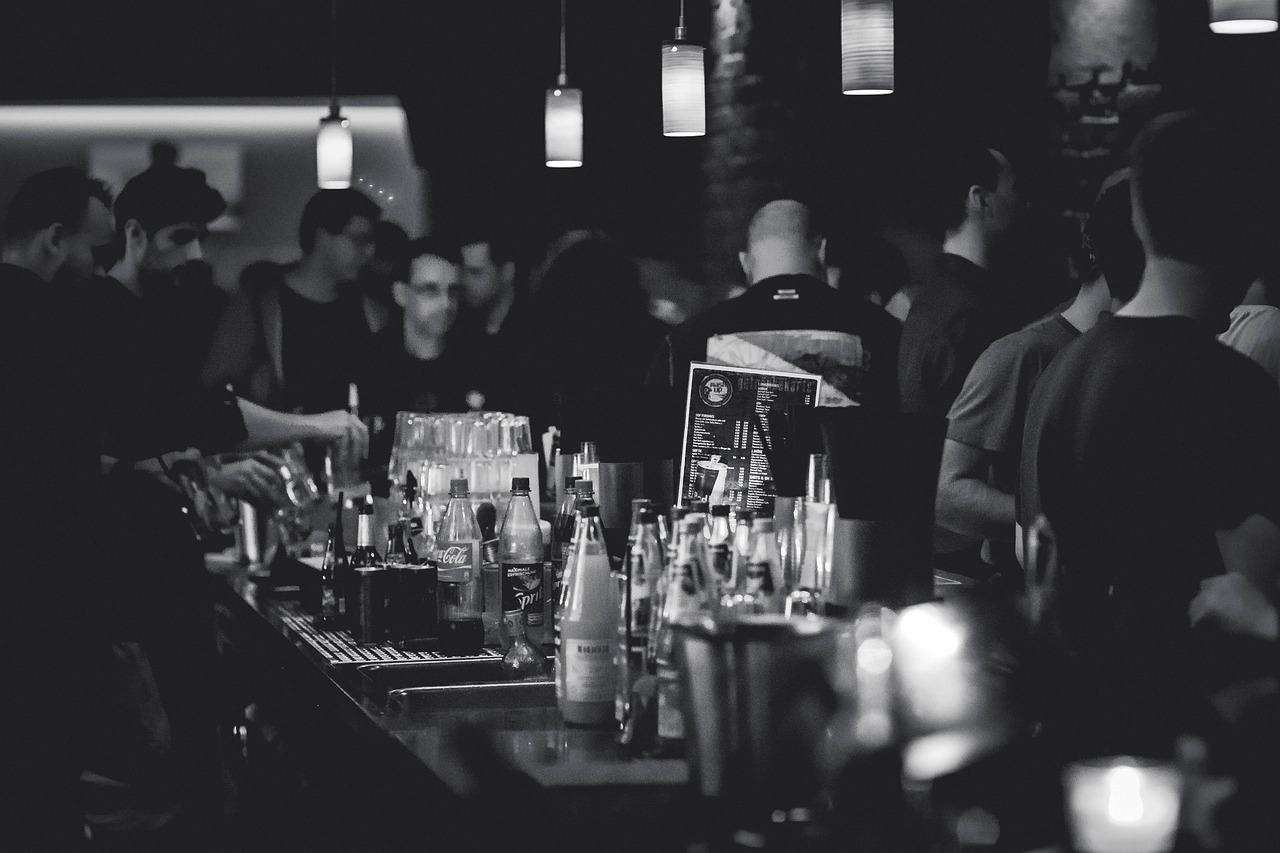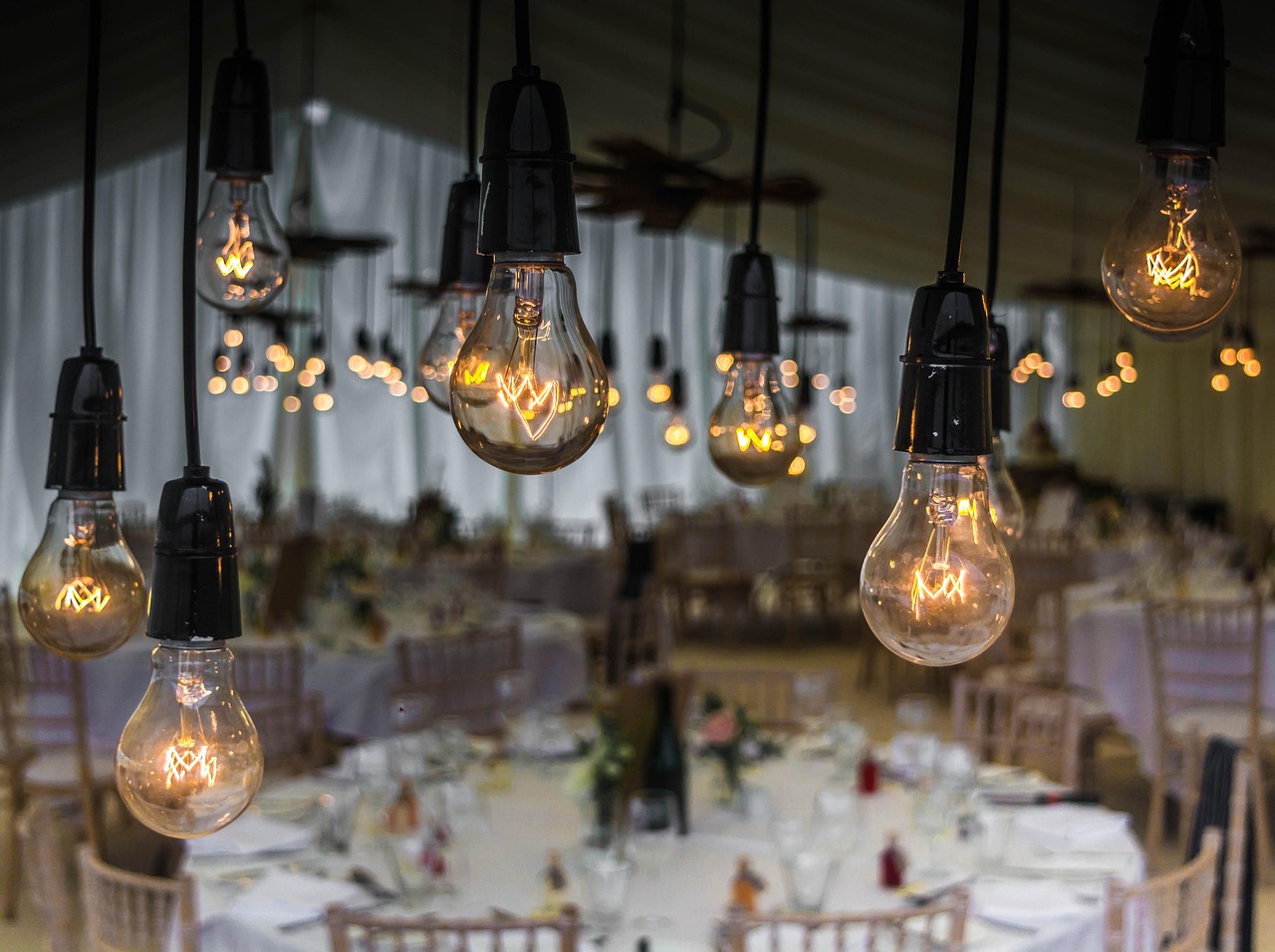

Atmosphere deserves an early place on the checklist. A restrained dining room may suit a formal meal, while a strongly designed bar can supply energy and conversation without extensive decorations. Motel No Tell, at 210 Avenue A, takes an 1980s Palm Springs motel approach, with neon signs and vintage decor. Its playful setting may fit a birthday, rehearsal celebration, or informal brand gathering, particularly when guests will take photos. Brunch, pizza, frozen drinks, and other offerings give a relaxed event a defined visual and culinary direction instead of requiring the host to build one from scratch. For a venue with that kind of identity, browse east village event venues before deciding whether the mood fits.
Capacity needs a practical definition, not merely the largest number in a sales message. A room may hold a certain number for standing drinks but feel cramped once dining tables, a bar setup, and service stations are in place. Request the floor plan and ask which areas the reservation includes. Trace the route from the entrance to food, drinks, restrooms, and exits. A hypothetical 40-person reception could develop a bottleneck if everyone uses one narrow path to reach the bar. Mark likely tables and stations on the plan before signing, then revisit the layout if the guest count changes.
Sound can determine whether a room supports the event’s purpose. Hard walls, floors, and ceilings may reflect music and conversation, while furnishings and other soft surfaces can reduce some reverberation. A lively bar could work well for a late birthday but make a presentation or family dinner difficult to follow. Visit during a busy period if the schedule allows, because an empty room says little about its working volume. Confirm whether music is part of the package, what volume is expected, and whether speeches need a microphone or another arrangement. Attractive design should never excuse unusable acoustics.
Food service should follow the event’s pace rather than simply fill a proposal. Passed bites encourage guests to move and talk, while shared plates or a seated meal create a settled rhythm. Brunch may suit a daytime celebration, and pizza or frozen drinks may fit an informal evening better than a formal plated menu. Ask for the actual menu and service timing instead of relying on a general description. If the event falls on Sunday, verify the available hours and offerings separately. A Monday through Friday happy hour from 4 to 7 p.m. may help with a shorter after-work gathering, but do not assume it applies on weekends.
Financial terms deserve the same attention as the menu. Ask whether the booking covers a private section or the entire venue, then request the minimum spend, deposit, cancellation policy, and service charge in writing. A minimum spend is a required amount for food and drinks; a service charge is an additional fee associated with staffing or operations. They affect the budget differently. Also confirm setup access, decoration rules, outside vendors, accessibility, arrival time, and cleanup responsibilities. For practical event venue logistics, keep the written proposal beside your planning sheet and compare each revision, since verbal changes are easy to overlook later.
Consider guest behavior, not only headcount. A hypothetical 25-person birthday with people arriving over an hour needs flexible ordering, a comfortable bar atmosphere, and space to circulate. A 35-person team dinner needs clear seating, coordinated timing, and noise levels that allow conversation. Those events may require different rooms even though their sizes are similar. A site visit, floor-plan review, and written question list should come before any deposit. The goal is not to find a universally perfect space. It is to choose an honest fit, then confirm that atmosphere, service, cost, and guest comfort support the event rather than compete with it.