

Consider a hypothetical rider leaving Queenstown for the West Coast. The map may show a modest distance, yet repeated bends, steep gradients, viewpoints and traffic can make the day longer than expected. Treat the itinerary as a sequence of riding sections rather than one uninterrupted journey. Plan a proper break every couple of hours, check the next fuel opportunity and confirm where you will sleep. A scenic detour is enjoyable when time allows, but it becomes poor planning if it leaves you searching for fuel or accommodation after services have closed. Route length is therefore a less useful measure than time and energy.
Navigation needs more than a phone mounted to the handlebars. A GPX file records a route that an app or dedicated device can follow, but it does not confirm that every road is open, suitable or sensible in poor weather. Download maps before leaving Wi-Fi, because reception can disappear in valleys and behind ranges. Check official road information each morning, then compare it with the route on screen. Save a paper overview or an image of the main route as a fallback. Mark fuel stops and overnight towns before departure. These steps matter on route and booking details, where a route line may not show the practical decisions between points.
Mountain weather can change sharply over a short distance. A clear valley may lead to a pass covered by cloud, cold rain or strong crosswinds, while a broad regional forecast offers only a general picture. Check conditions for each significant crossing and inspect the following day’s route before committing to it. If visibility deteriorates, slow down, increase following distance and stop treating the timetable as a promise. Snow or ice may make postponing a pass the sensible decision. Keep waterproof layers where they are easy to reach, rather than buried beneath clothing and tools in a pannier.
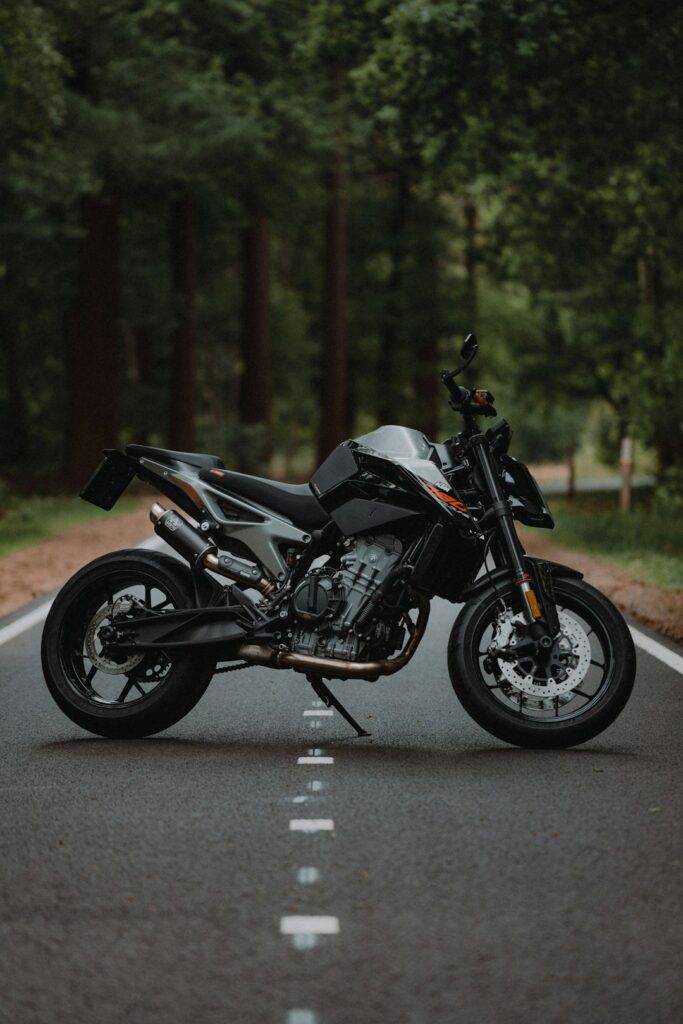
The loaded motorcycle deserves a test ride before the tour begins. Payload includes the rider, passenger, luggage and equipment, and extra weight can alter braking, steering and suspension response. Put dense items low and close to the bike’s centre, then secure them so they cannot shift during repeated cornering. Set tyre pressures according to the manufacturer’s guidance and intended load. Check that luggage does not obstruct controls, lights or movement. A short ride on familiar roads can reveal a loose strap, awkward tank bag or poorly positioned camera case before it becomes a daily nuisance on tight mountain roads.
Technique matters more than pace on alpine roads. Look towards a bend’s exit instead of staring at the edge, complete most braking before turning and leave room for vehicles that cross the centre line. Hairpins need measured steering and throttle, particularly downhill, where a rushed entry leaves little room to correct. Anti-lock braking may help reduce wheel lock during heavy braking, but it cannot compensate for excessive speed or poor sight lines. Fatigue also changes judgement. After several hours of concentrated cornering, shorten the next section rather than adding an ambitious detour. A slower, alert rider has more options when the road or weather changes.
Choose the journey structure that matches your available leave, riding experience and tolerance for logistical work. A seven-day North Island trip can provide a manageable first visit, while a longer South Island or whole-country itinerary allows more room for remote roads and weather delays. Compare stated inclusions with your own costs, including fuel, meals, insurance, deposits and personal riding equipment. Before booking, review alpine motorcycle tours and ask about daily distances, route changes and contingency plans. The right trip is not the longest one, but the one that leaves enough time to ride safely and enjoy the scenery.