
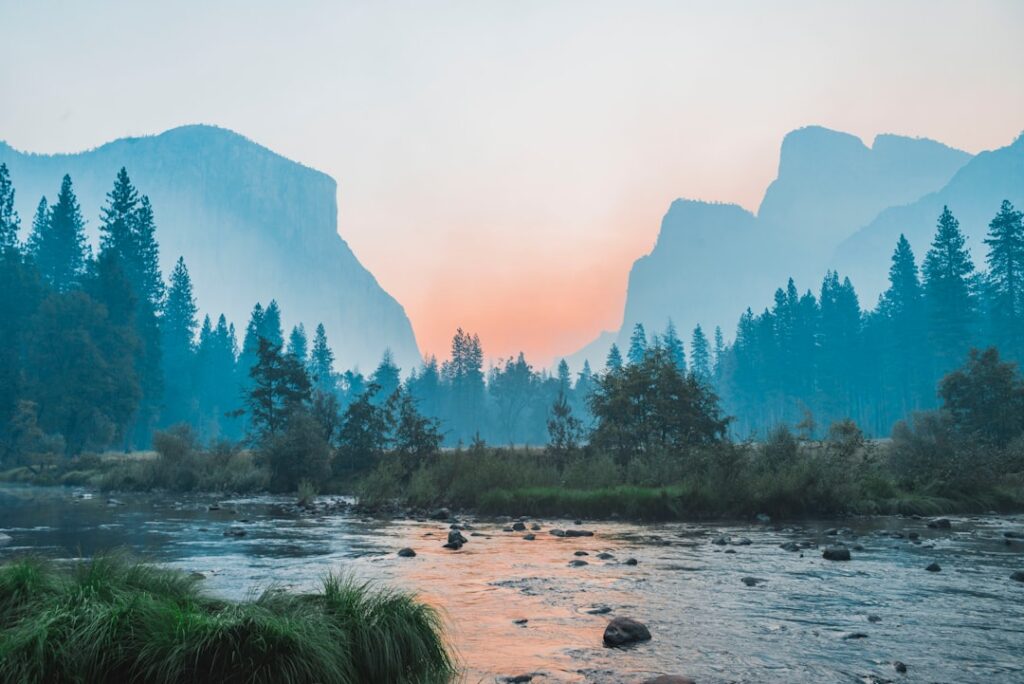
Aboriginal cultural heritage represents one of the oldest continuing cultures in the world, deeply interconnected with the Australian landscape. For tens of thousands of years, Aboriginal peoples have maintained a profound spiritual and physical connection to their land, which shapes their traditions, customs and laws. Understanding this intricate relationship is key to appreciating the significance of cultural heritage within Aboriginal communities.
This heritage is not only expressed through language, art and ceremony, but also through sacred sites and natural features that hold deep cultural meaning. These places are often tied to Dreaming stories, which convey ancestral knowledge and explain the origins of the land and its people. Such stories are passed down through generations, preserving a rich oral tradition that continues to inform community identity and belonging.
In recent years, there has been growing recognition of the need to protect Aboriginal heritage, particularly in the face of land development and environmental change. Heritage assessments play a crucial role in ensuring that culturally important sites are identified and preserved prior to any land use changes. This often involves close collaboration with Traditional Owners and Elders, who provide essential insights into the cultural significance of the landscape. Services like aboriginal cultural heritage consulting help guide these processes, ensuring that both legal requirements and cultural protocols are respected.
Preserving Aboriginal heritage is not only about protecting ancient artefacts or rock art. It also involves supporting the transmission of cultural knowledge and strengthening community ties. In many cases, heritage protection fosters opportunities for cultural education, intergenerational learning and sustainable tourism that benefits local communities. These practices contribute to cultural revitalisation and build broader understanding among non-Indigenous Australians.
Efforts to safeguard cultural heritage also intersect with ongoing debates about land rights and self-determination. Many Aboriginal groups continue to advocate for greater control over their ancestral lands, arguing that meaningful heritage protection must go hand-in-hand with respect for traditional ownership. This perspective emphasises the importance of Indigenous-led decision-making in heritage management and development planning.
To learn more about heritage-related services and their role in cultural preservation, you can explore the resources available through heritage and archaeological experts who support these initiatives across Australia.
As Australia moves toward greater recognition of its First Nations peoples, the protection and celebration of Aboriginal cultural heritage remains a vital part of national identity. By respecting and learning from these enduring cultural traditions, we can foster a more inclusive understanding of the country’s history and future.