
Read the vehicle handbook and the tyre sidewall markings before comparing tread styles. The approved tyre size affects clearance, steering behaviour and the speedometer, so a visually appealing alternative is not automatically suitable. The load rating indicates how much weight each tyre is designed to carry, including passengers, luggage, accessories and tow-ball load. The speed rating describes a category under specified conditions, not a reason to travel at that speed. A ute carrying camping equipment, water and recovery gear needs suitable capacity after it is fully loaded. Review the required specifications alongside 4×4 off road tyres rather than shopping by appearance alone.
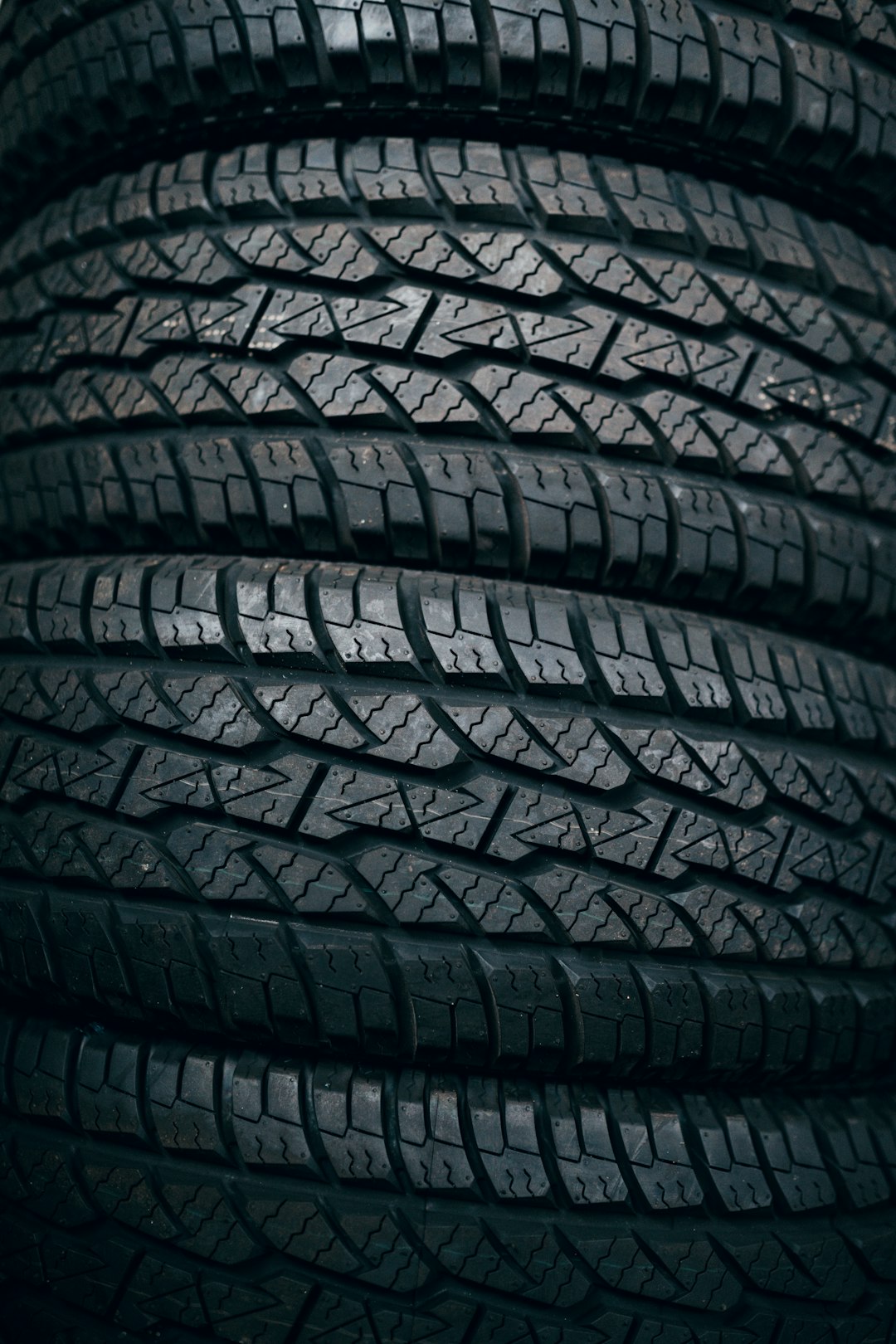
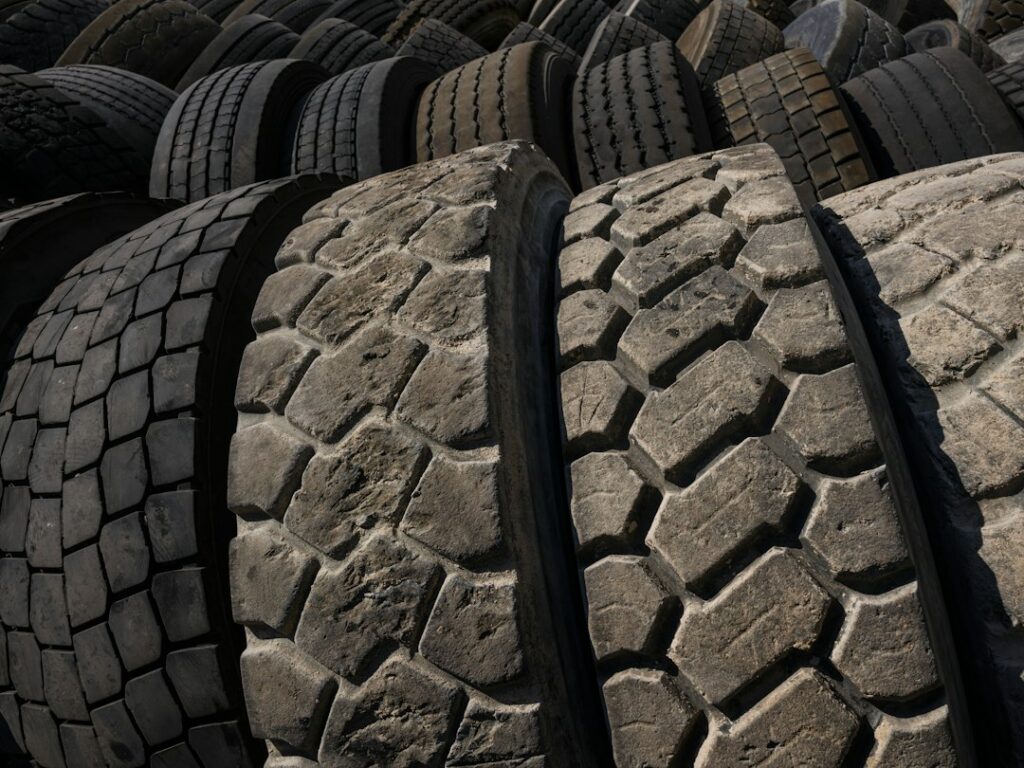
Tread design shows the compromise between road manners and loose-surface grip. Tread blocks are the raised sections touching the ground, while grooves separate them and provide routes for water, mud or debris. Closely spaced blocks and continuous ribs generally feel more composed on bitumen and may wear evenly during regular commuting. Wider grooves and separated blocks can offer useful biting edges on mud and gravel, but may bring extra noise and less precise steering on sealed roads. A driver commuting five days a week and visiting forestry tracks monthly may therefore favour an all-terrain pattern over a specialised mud design.
Sidewall construction deserves attention before planning rocky routes. The sidewall is the flexible area between the tread and wheel rim, contributing to ride comfort, steering response and resistance to impacts. A taller approved sidewall can provide useful cushioning over sharp bumps, but changing size without checking compatibility can create clearance or handling problems. Lowering pressure on suitable surfaces such as sand can enlarge the contact patch and spread the vehicle’s weight. It also increases heat build-up and damage risk if used carelessly, so follow vehicle or tyre-maker guidance and restore the appropriate pressure before faster sealed-road travel.
Consider a clearly hypothetical family four-wheel-drive towing a small trailer to a campsite. Its tyres must cope with additional vertical load, braking demands and changing surfaces, not merely provide grip at the campsite entrance. The driver checks cold pressures before departure, inspects for cuts after rough sections and allows for the less settled feel that towing can create. A lightly loaded work ute on wet clay presents a different problem: aggressive tread alone cannot overcome excessive speed, abrupt steering or poor weight distribution. Traction depends on tyre contact, surface condition, vehicle control and preparation.
After fitting a set, arrange suitable alignment and balancing, then monitor the tyres rather than waiting for a problem. Alignment controls the direction in which the wheels point; incorrect toe or camber can scrub the tread and produce feathered edges or rapid wear. Balancing corrects uneven weight around the wheel and can reduce vibration through the steering wheel at road speed. Rotate tyres only according to a pattern appropriate for the vehicle and any directional tread. Regularly inspect for uneven wear, bulges, lodged stones, cuts and damaged valves, especially before travelling beyond reliable roadside assistance.
Compare tyres by route, load and driving pattern rather than by bold appearance or the lowest quoted price. A road-focused option may suit a vehicle that spends almost all its time in town, while a more versatile design may suit mixed touring and light trail work. Before buying, write down the approved size, usual load, surfaces encountered and proportion of sealed-road driving. Ask a qualified fitter about wheel compatibility, pressures and likely wear, and treat the tyre selection guidance available from a supplier as a starting point rather than a substitute for vehicle-specific advice. Include tyre checks in the normal maintenance schedule and reassess the choice if your routes or loads change.