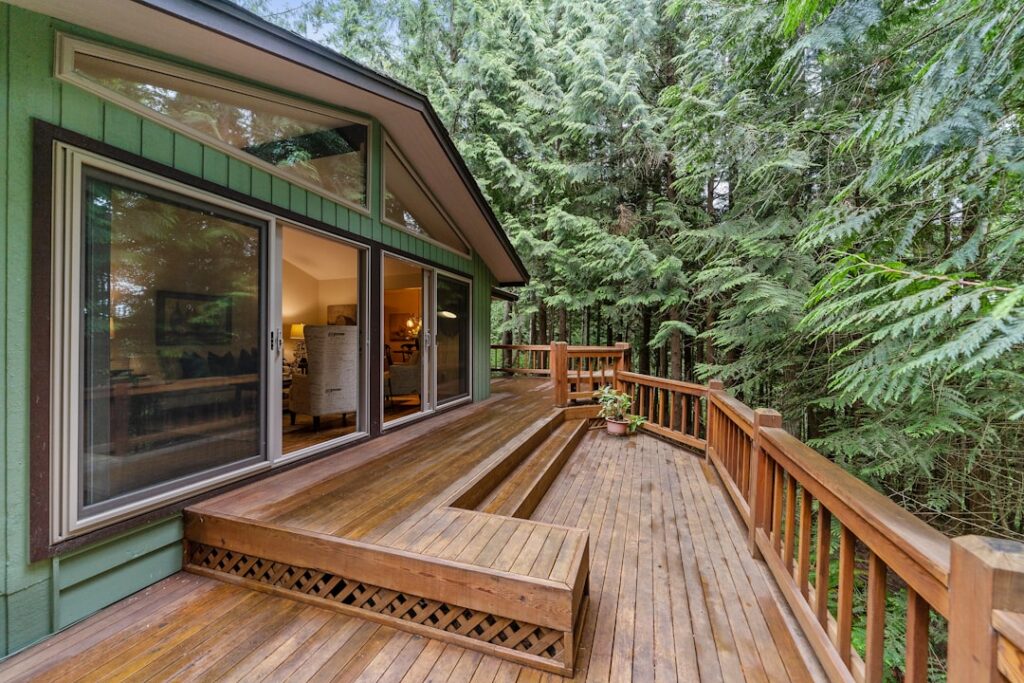
Choosing the right wood deck sealer is essential for extending the life of your outdoor deck and preserving its natural beauty. With so many products on the market, it can be challenging to determine which option works best for your specific needs. The right sealer not only protects wood from moisture, UV rays, and mold but also enhances its appearance and durability over time. Whether you have a new deck or are maintaining an older one, understanding what makes a sealer effective can save you time and money in the long run.
The first step in selecting a deck sealer is to consider the type of wood your deck is made from. Different woods absorb sealers in different ways. Softwoods like pine and cedar often require more frequent sealing, while hardwoods such as ipe or teak may need specialized products that can penetrate their dense grain. Knowing your wood type helps you choose a sealer that will bond effectively and perform well under your local climate conditions.
Climate plays a crucial role in how well a sealer works. Areas with high humidity or frequent rainfall demand a product that offers excellent water resistance. In contrast, decks exposed to intense sunlight will need UV-protective sealers to prevent fading and cracking. A high-quality sealer should offer a balance of water repellency and UV protection to guard against the elements year-round. For many homeowners, opting for a penetrating sealer makes sense, as it soaks deep into the wood, offering long-lasting protection without forming a surface film that can peel or flake.
When evaluating the best wood deck sealer, it’s also important to think about maintenance. Some sealers require reapplication every year, while others can last up to three years or more. If convenience and ease of maintenance are priorities, look for products designed for long-term performance. Water-based sealers are often easier to clean up and more environmentally friendly, while oil-based sealers may penetrate more deeply and provide richer color enhancement.
Application methods can also influence your decision. Some sealers can be applied with a brush, roller, or sprayer, depending on your preference and the size of your deck. Before applying any sealer, it’s critical to clean the deck thoroughly and allow it to dry completely. This ensures the product adheres properly and delivers maximum protection. Skipping this step can compromise the effectiveness of even the highest quality sealer.
In addition to protection, aesthetics matter. Clear sealers highlight the wood’s natural grain and color, making them a popular choice for those who want to showcase the beauty of the material. Tinted or semi-transparent sealers add a touch of color and offer additional UV protection, which can be beneficial for sun-exposed decks. Solid-color sealers provide the most coverage and protection, but they may obscure the wood grain and require more upkeep over time.
Many homeowners turn to trusted resources to guide their decision-making process. Companies that specialize in concrete and wood surface treatments often offer a range of sealer options tailored to different materials and use cases. You can explore these choices and find expert guidance by visiting this site for surface solutions that cater to both residential and commercial environments.
Ultimately, the best wood deck sealer for your project will depend on your deck’s material, the climate in your area, your desired appearance, and how much maintenance you’re willing to perform. Investing in a high-quality sealer not only protects your deck but also enhances your outdoor living space and adds value to your home. With the right preparation and application, your deck can remain beautiful and durable for years to come.