
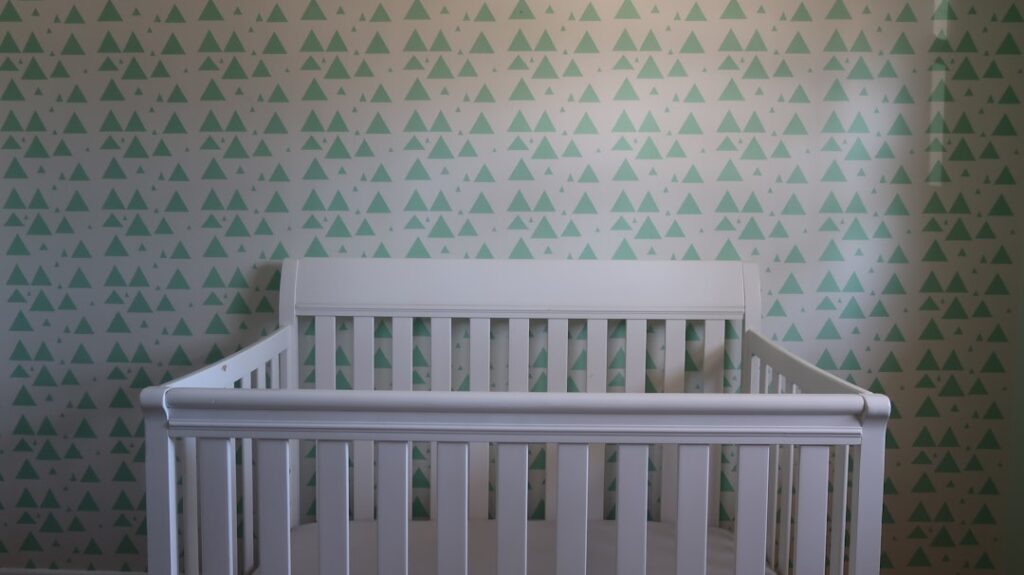
Picture lying in bed at night, hearing your baby’s soft sounds and reaching out without standing up. That’s the main benefit of a next to me crib. It keeps your infant close but gives them their own safe spot to sleep. Parents often find it makes those first months easier, especially for nighttime feeds and soothing without fully waking. These cribs attach right to your bed’s side, usually with adjustable height settings so the mattress lines up perfectly. This setup reduces risks linked to bed-sharing while keeping your baby within arm’s reach. It encourages bonding without compromising safety.
Many people assume next to me cribs only work for newborns. While that’s true for some models, others can fit babies up to six months or more, depending on the weight limit and safety rules. This means you don’t have to buy a separate crib right away, which can save money and hassle. When shopping, check for features like mesh panels for airflow and visibility , they make it easier to keep an eye on your baby’s breathing. Some cribs even include a removable bassinet, handy for moving your child from one room to another or taking short trips.
Comfort is often a concern. Parents wonder if these smaller cribs offer enough support compared to traditional cots. Most next to me cribs come with mattresses designed specifically for infants, providing firm but gentle support. Manufacturers sometimes sell mattress sets as bundles, which can be more cost-effective than buying each item separately. These mattresses typically meet safety standards and help ensure your baby sleeps soundly.
If you’re debating whether this crib style fits your lifestyle, think about convenience. Being able to calm your baby without leaving bed cuts down on stress during those sleepless nights. It also helps parents get more rest since they don’t have to wake completely when responding to cries or hunger. For those weighing options, browsing various models and prices online can be helpful. You might want to check out some next to me crib choices available.
Another practical detail is the extra storage some designs offer, pockets sewn into the sides for diapers or wipes keep essentials close without cluttering your nightstand. Foldable models also exist, making it simpler to pack up and take the crib along when visiting family or going on holiday. Before buying, confirm the crib complies with your country’s safety regulations; labels or instruction manuals usually provide this information.
A common mistake new parents make is not adjusting the height properly when setting up the crib alongside their mattress. If it’s too low or too high, gaps can form, which isn’t safe. Taking a few minutes during assembly to align everything carefully can prevent problems later. Also, some parents forget to secure the attachment straps tightly enough, so double-checking those before bedtime is a good habit.
For peace of mind, many users recommend choosing cribs with breathable mesh sides instead of solid panels. It helps reduce overheating and allows you to see your baby without leaning over. Plus, mesh promotes air circulation, which is important since infants can’t regulate temperature as well as adults. Another tip is to remove any loose bedding or soft toys from the crib area to lower suffocation risks.
If you want more information about early parenthood gear, you could visit baby care essentials online. Reliable sites often include user reviews and detailed specs that help you compare products beyond just price and appearance.