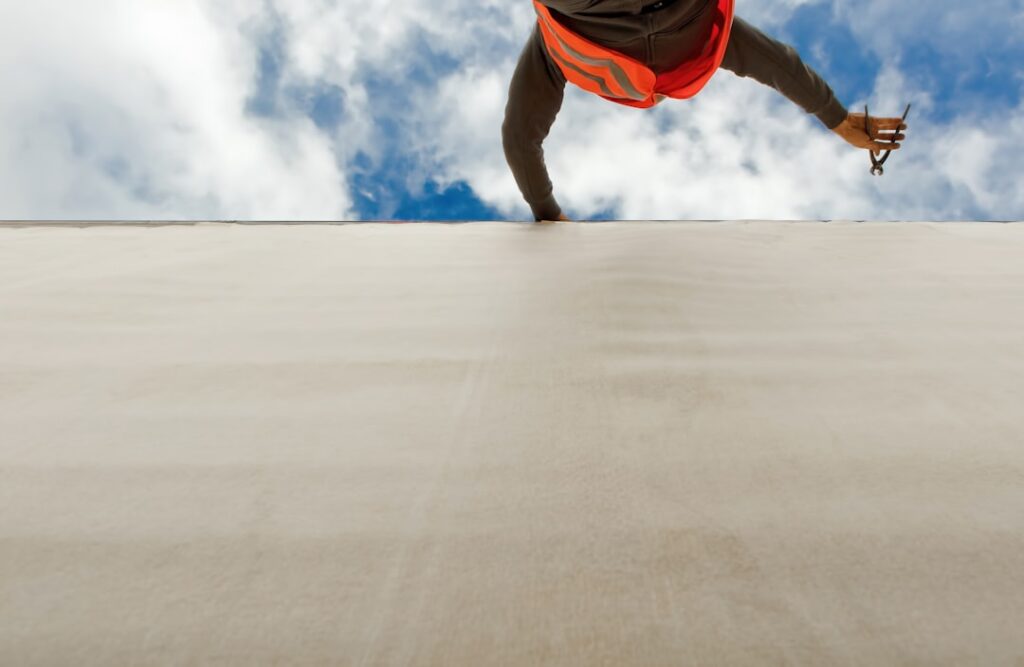
Moisture intrusion is a common issue many property owners face, especially in areas with high humidity or frequent rainfall. When water seeps into walls, it can lead to a host of costly and time-consuming problems, including structural damage, mold growth, and a decline in indoor air quality. Ensuring that walls are properly waterproofed is a critical step in maintaining a safe and durable building structure.
Water can enter wall systems through cracks, porous materials, or joints that are not properly sealed. Once inside, it can compromise insulation, cause paint to peel, and weaken the integrity of the wall over time. In extreme cases, moisture infiltration can even damage electrical systems housed within the walls. That’s why early detection and prevention strategies are essential.
Choosing the right waterproofing method depends heavily on the type of wall and the specific environmental conditions. For example, exterior walls exposed to the elements require different treatments than interior walls that might be affected by bathroom or kitchen humidity. One effective and widely used solution is the application of a liquid membrane, which forms a seamless, flexible barrier over the surface. This method is particularly useful for both new construction and retrofit projects, as it can adapt to various wall materials and configurations. A detailed guide on wall waterproofing options can help determine the best approach for your needs.
Another important consideration is the type of wall substrate. Concrete, brick, wood, and drywall all have different absorption rates and vulnerabilities. Concrete and brick, for instance, are porous and can absorb large amounts of water unless treated with a waterproofing agent. Wood and drywall, on the other hand, can swell, warp, or disintegrate when exposed to moisture. It’s crucial to select products and techniques that are compatible with the specific materials in use.
Proper surface preparation is also a key factor in successful waterproofing. Walls must be clean, dry, and free of debris before any treatment is applied. Any existing cracks or damage should be repaired to prevent water from bypassing the waterproofing layer. In some cases, multiple coats or layers may be necessary to achieve optimal protection, especially in high-risk zones such as basements or exterior facades exposed to driving rain.
Ventilation also plays a role in keeping walls dry. Adequate airflow helps reduce humidity levels inside a building and minimizes condensation on wall surfaces. Incorporating vent fans in high-moisture areas and ensuring that HVAC systems are properly maintained can support the effectiveness of waterproofing efforts.
Routine inspections should not be overlooked. Even the most robust waterproofing systems can degrade over time due to weather exposure and general wear and tear. Regularly checking for signs of moisture, such as discoloration, musty odors, or bubbling paint, allows for early intervention before the problem escalates. Proactive maintenance can extend the life of a waterproofing system and protect your investment.
For property owners and contractors seeking reliable information and products, resources like innovative building solutions offer valuable insights into application techniques and product selection. These resources can help ensure that both residential and commercial buildings remain dry, safe, and structurally sound.
In conclusion, wall waterproofing is not just a preventative measure—it’s an essential component of building maintenance and longevity. By understanding the causes of moisture intrusion and implementing effective waterproofing strategies, property owners can avoid costly repairs and enhance the overall resilience of their buildings.