As modern construction continues to evolve, the demand for efficient, adaptable, and sustainable building methods has grown rapidly. One innovation gaining significant traction is the use of transportable building products. These are prefabricated or modular materials and structures designed to be moved and assembled with minimal disruption. But are they a viable long-term solution, and what makes them so appealing to both residential and commercial developers?
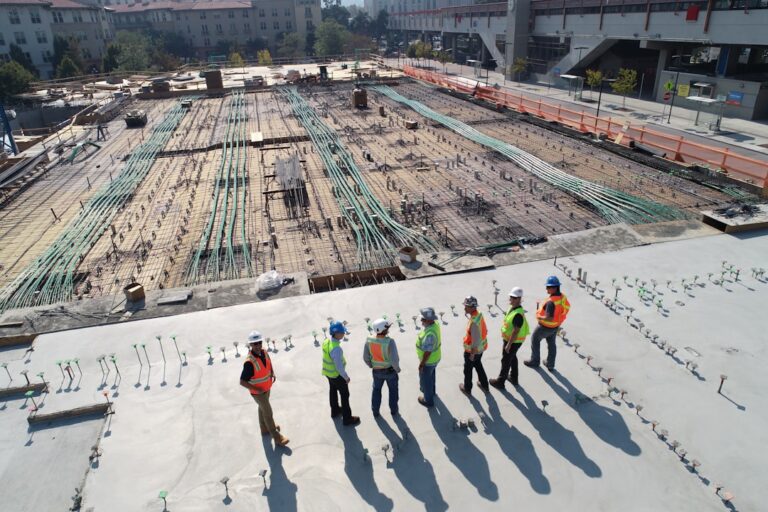
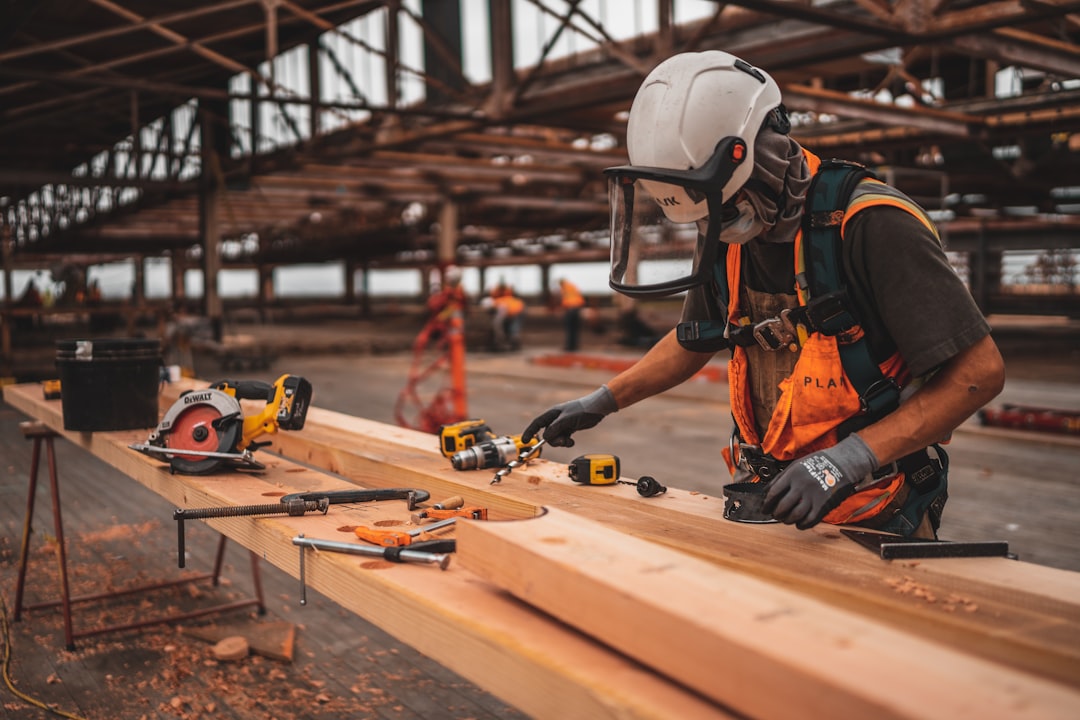
Transportable building products offer a range of practical advantages. For one, they drastically reduce on-site construction time. Since many of the components are manufactured off-site in controlled environments, builders are less affected by weather delays and other unpredictable site conditions. This controlled production process also often leads to higher quality finishes and better material consistency. The ability to fabricate entire sections of a building, then transport and install them quickly, is particularly beneficial for projects with tight deadlines or limited access.
Another key factor is flexibility. Whether it’s a mining camp, a remote school, or emergency accommodation, the ability to relocate buildings with relative ease gives users a level of adaptability that traditional construction cannot match. This is especially useful in industries that operate in temporary or changing locations. For example, construction firms can reuse transportable offices across different sites, significantly reducing the need for new builds.
Sustainability is also a driving force behind the rise of these products. The modular nature of transportable buildings often results in less material waste, as components are cut to size in the factory. Additionally, many manufacturers are now using eco-friendly materials and energy-efficient systems, aligning with broader environmental goals. This makes them a smart choice in a world increasingly focused on reducing carbon footprints and promoting sustainable development.
The cost-effectiveness of transportable buildings is another compelling reason for their popularity. While the initial investment may vary depending on the complexity of the design and materials used, the long-term savings on labour, waste, and time can be substantial. Furthermore, the ability to reuse structures across multiple projects only increases their value over time. For clients operating on tight budgets, this can be a game-changer.
For those seeking high-quality transportable building products, the market now offers a wide array of options. These range from simple site offices to fully equipped residential houses, all designed with portability in mind. Innovations in design and engineering mean that these structures are not only functional but also aesthetically pleasing, often indistinguishable from their traditional counterparts once installed.
Of course, there are challenges to consider. Transporting large building modules requires careful logistical planning and may involve permits or restrictions depending on the route and location. Additionally, while modular buildings are versatile, they may not suit every type of architectural vision or landscape. It’s important for developers and clients to weigh these factors when deciding whether this approach aligns with their needs.
In rural and remote communities, transportable building solutions have become particularly vital. They provide a way to deliver essential infrastructure quickly and efficiently, without the need for extensive local resources. Health clinics, classrooms, and housing can be erected in a fraction of the time it would take using conventional methods. This capability supports social and economic development in areas that might otherwise be left behind.
Urban applications are also expanding. As cities face increasing pressure on space and resources, modular developments offer a way to address housing shortages and infrastructure demands without the long timelines or high costs of traditional builds. For example, temporary housing for students or seasonal workers can be deployed and removed as needed, offering a level of responsiveness that is difficult to achieve with permanent structures.
As with any building solution, the key lies in choosing the right provider and ensuring that materials and designs meet the necessary standards for safety, durability, and compliance. A reputable company specialising in modular construction solutions can help navigate these considerations, offering expert guidance from design to delivery.
In conclusion, transportable building products present a compelling alternative to traditional construction methods. They combine speed, flexibility, sustainability, and cost-effectiveness in a way that meets the evolving needs of today’s building industry. As technology and demand continue to grow, it’s likely that these innovative solutions will play an even more significant role in shaping the future of construction.