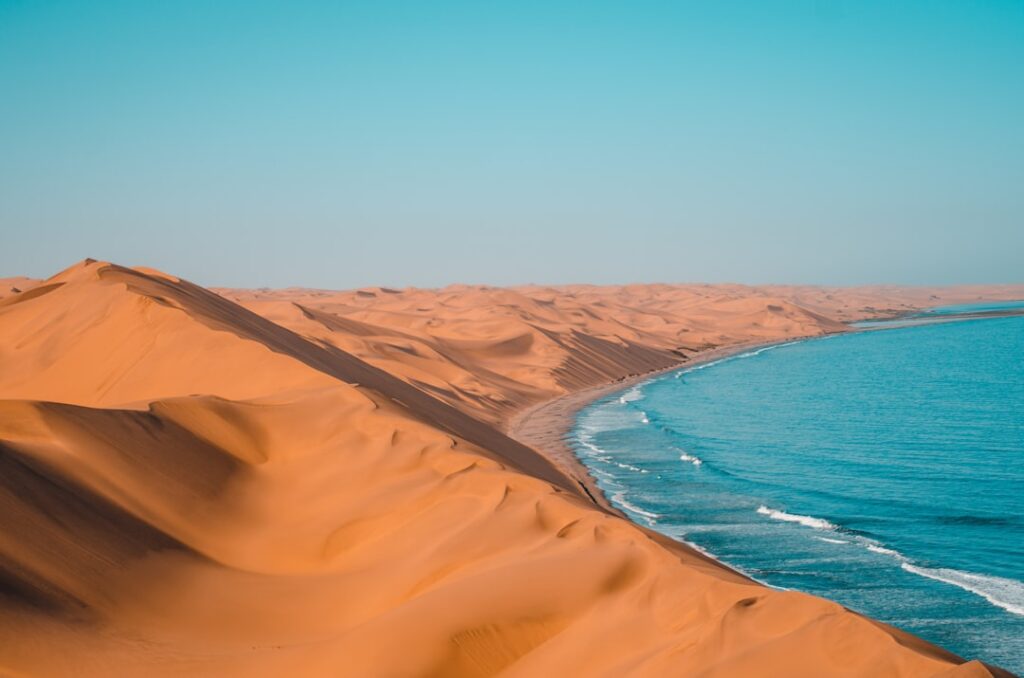
Imagine driving a sturdy 4×4 across Namibia’s vast and varied terrain. The roads stretch out long and empty, bordered by towering sand dunes on one side and ancient rock formations on the other. Self-driving through Namibia offers freedom few other travel styles provide. You call the shots. Stop where you want, whether it’s to watch elephants ambling in the distance or to catch the late afternoon sun dipping behind a ridge. This style of travel is growing in popularity among those who want to explore at their own pace without a guide’s schedule.
The real draw of a self-drive safari is flexibility. You can tailor your days however you like. Spend more time than planned at Etosha National Park if the wildlife sightings are good, or detour to the eerie, clay pan landscapes of Sossusvlei. Namibia’s ecosystems vary dramatically, from desert to riverine habitats, and experiencing this diversity up close is a big part of the appeal. Roads are mostly well maintained and signs clear, but expect some gravel stretches and be ready for remote sections where fuel stops are few and far between. Packing a spare tire, extra water, and basic tools isn’t just smart, it’s necessary.
Planning your route carefully helps avoid surprises. Distances between attractions can be long; for instance, the drive from Windhoek to Swakopmund often takes around four hours, assuming you don’t stop too often. Some roads require slower speeds on gravel, especially after rain, so factor that into your timing. It pays to check fuel availability ahead since some stretches have limited stations. Many travelers keep a detailed checklist of essentials before setting out, spare parts, maps (even offline versions), and emergency contacts.
Accommodation options add to the experience’s variety. Some prefer camping beneath the stars in national parks equipped with basic facilities, while others opt for lodges that offer comfort plus guided excursions. Combining both styles works well: camp for the adventure and lodge for downtime with a hot shower and a good meal. Booking ahead is wise during peak season, as places fill quickly, especially in popular spots like Damaraland or near the Skeleton Coast.
Preparation also means knowing the local environment. Researching key destinations like Fish River Canyon or the Skeleton Coast beforehand helps prioritize stops. It also prepares you for what to expect, how remote some areas are, what wildlife you might see, and how to behave safely around animals like elephants or lions. Understanding simple safety rules, such as not leaving your vehicle in certain reserves or keeping a respectful distance during wildlife encounters, improves your chances of a smooth trip.
For tailored advice and insights into lesser-known routes, connecting with local guides who focus on self-drive Namibia is helpful. They can suggest hidden gems off the regular tourist paths and provide up-to-date tips on road conditions and accommodations. Many travelers find that having these contacts eases planning stress and adds depth to their experience.
Driving through Namibia is unlike any typical road trip. Whether winding through Damaraland’s rugged hills or cruising along the Atlantic coast near Swakopmund, each segment offers something memorable. The quiet solitude of the landscape and the chance to explore at your own rhythm create moments no tour group can replicate. If you want an adventure with spectacular views and hands-on discovery, consider starting your preparations today by visiting namibia travel planning assistance.