
Workplace safety in Australia is governed by a robust framework of regulations and standards designed to protect employees and promote a culture of responsibility. At the heart of this framework lies the implementation of a safety management system, an organised approach designed to identify workplace hazards, assess risks, and implement control measures. In recent years, the importance of these systems has grown significantly, not only as a legal necessity but as a strategic asset for businesses aiming to operate efficiently and ethically.
A safety management system in the Australian context must align with national legislation, including the Work Health and Safety Act and relevant codes of practice. These laws mandate that all businesses, regardless of size or industry, have a duty to provide a safe working environment. This obligation includes the identification of potential safety issues, the implementation of risk control strategies, and ongoing monitoring of workplace conditions. A failure to comply can result in significant legal and financial consequences, making a structured safety management system an essential component of any organisation.
Beyond compliance, a well-designed safety management system fosters a proactive safety culture. It allows organisations to move beyond reactive responses to incidents and instead focus on preventing them altogether. This proactive stance is facilitated by regular assessments of workplace conditions, clear documentation of procedures, and continuous employee training. Moreover, when staff are actively involved in safety processes, they tend to take greater ownership of their roles, contributing to a more engaged and productive workforce.
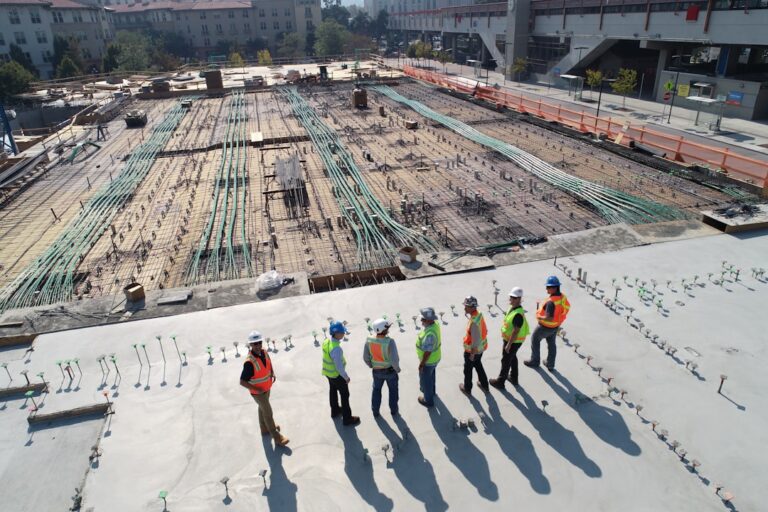
The structure of a safety management system typically includes several core components: hazard identification and risk assessment, safety policies and procedures, training programmes, incident reporting mechanisms, and performance reviews. Each component should be tailored to the specific needs of the business and the nature of its operations. For example, a construction company may prioritise fall prevention and equipment safety, while an office-based business might focus more on ergonomics and emergency evacuation procedures. Integrating these components into daily operations ensures that safety becomes an intrinsic part of the organisational culture.
Incorporating digital tools and platforms has become increasingly common in streamlining these safety efforts. Many Australian businesses are turning to technology to centralise safety data, automate reporting, and enhance communication across teams. This digital transformation not only simplifies compliance but also offers valuable insights into safety trends and areas for improvement. Implementing a safety management system australia that leverages such tools can significantly elevate an organisation’s ability to manage risks effectively.
Training and education are also critical elements. Employees must be equipped with the knowledge and skills to recognise hazards, follow safe work procedures, and respond appropriately in emergencies. Regular training sessions, toolbox talks, and refresher courses help maintain a high level of safety awareness. In addition, leadership plays a crucial role in modelling safe behaviours and ensuring that safety remains a visible priority at all levels of the organisation.
Another important aspect is the process of incident reporting and investigation. A safety management system should encourage transparent reporting of near misses and actual incidents without fear of reprisal. Analysing these reports allows businesses to identify root causes and implement corrective actions, thereby preventing recurrence. Over time, this leads to a continuous improvement cycle that strengthens the overall safety performance of the organisation.
Ongoing evaluation is necessary to ensure that safety systems remain effective and relevant. This includes regular audits, performance reviews, and updates in response to changes in operations or legislation. Businesses that commit to such ongoing refinement typically see better outcomes not only in safety but also in employee satisfaction and operational efficiency.
Ultimately, a safety management system is not a static document but a dynamic framework that evolves with the business. It requires commitment from all levels of the organisation and should be seen as an investment in the well-being of employees and the sustainability of the enterprise. For organisations seeking guidance or tools to support their safety goals, exploring solutions offered by specialists in this field can be highly beneficial. One such resource is available through business safety systems that cater specifically to the Australian regulatory environment.