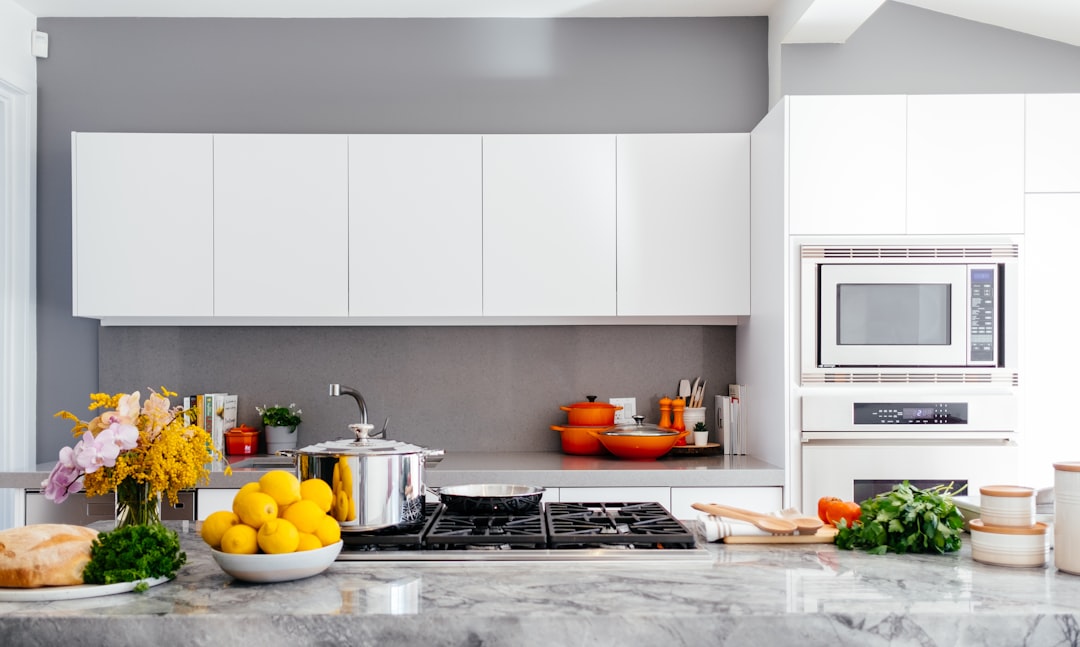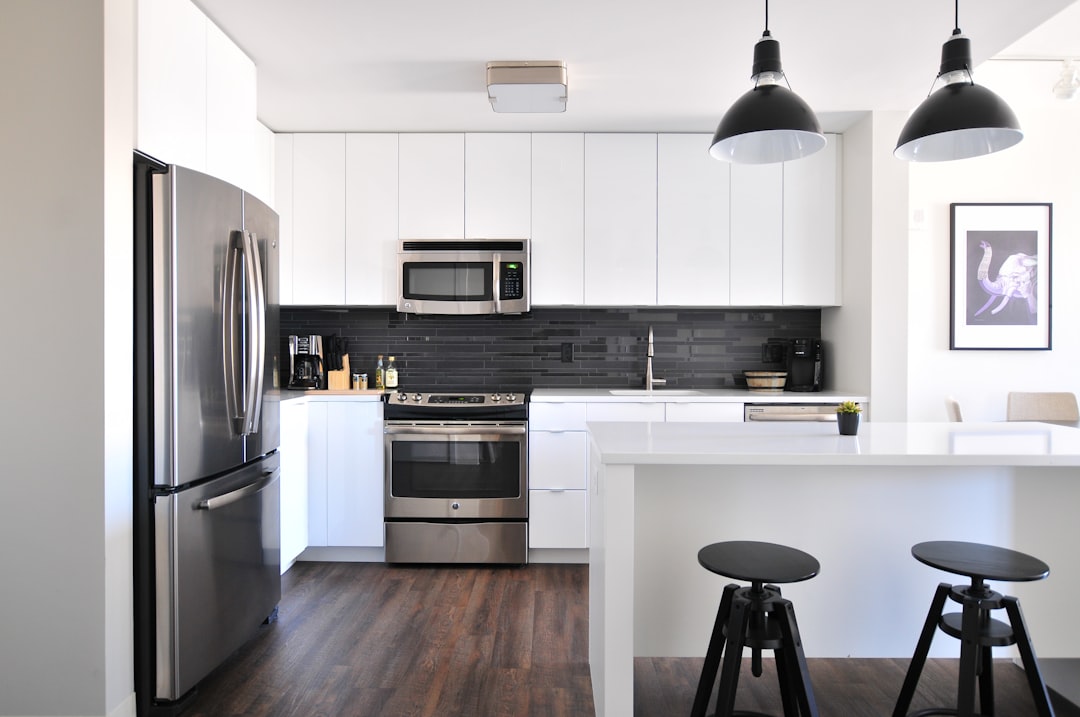
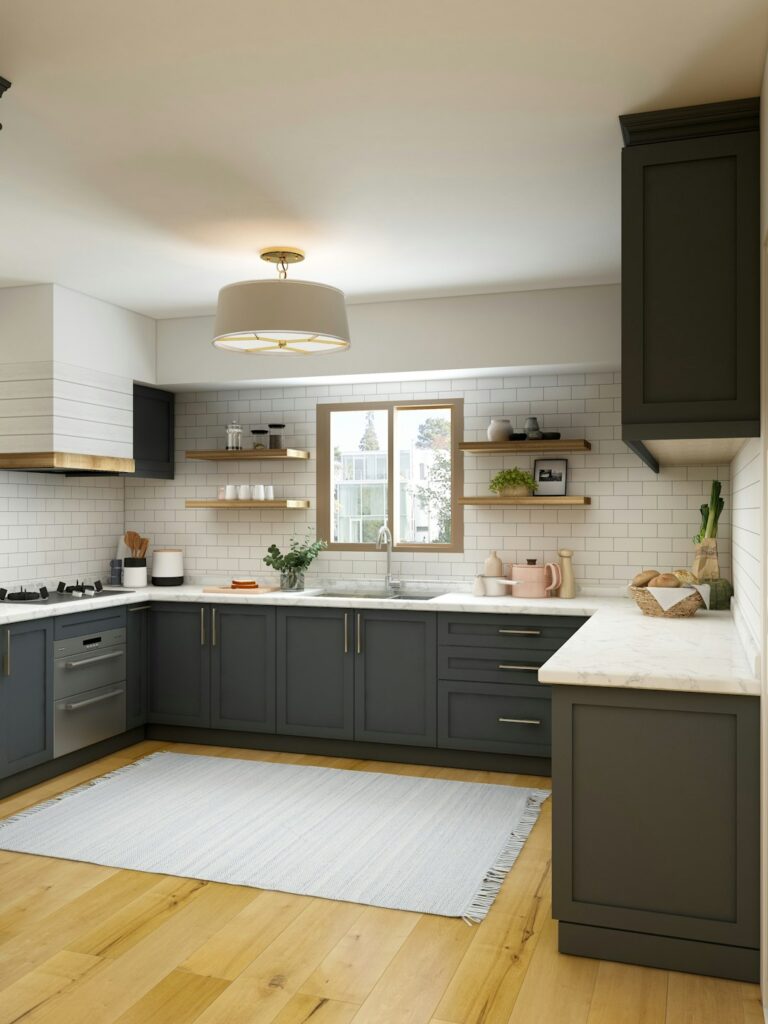
Step into your kitchen and imagine the cabinets transformed from tired and worn to fresh and inviting. Cabinet refacing makes this possible without tearing everything out. Instead of a full replacement, you swap out the doors and drawer fronts and cover the existing cabinet frames with a new veneer. This process saves time and money, often cutting costs to a fraction of what a full remodel demands. It’s a practical option for homeowners who want an updated look without months of disruption.
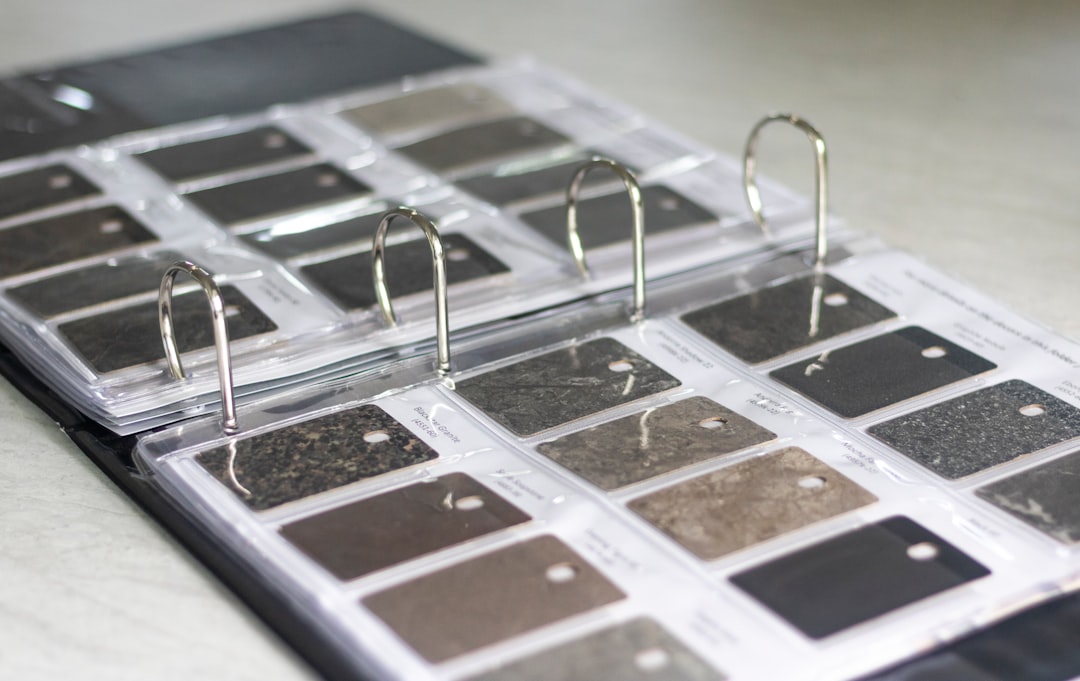
Choosing the right materials is critical for a lasting finish. Low-quality veneers might seem like a budget-friendly option but tend to peel or fade quickly, especially in a kitchen where heat and moisture are constant. Look for durable, hardwood veneers or high-grade laminates designed to withstand daily wear. Finishes that resist stains and wipe clean easily will keep your cabinets looking sharp longer. On a recent project, I saw a client regret using a cheap veneer that warped within a year, don’t make that mistake.
Hardware often gets overlooked but can make or break the overall design. Old knobs or pulls that clash with new cabinet surfaces create visual dissonance. Select handles that complement the new finish, matte black or brushed nickel work well with modern styles, while antique brass suits traditional wood grains. I advise clients to bring home hardware samples before committing; lighting in your kitchen can change how colors look. One homeowner switched from shiny chrome to satin nickel after seeing how harsh reflections looked under their kitchen lights.
Lighting itself influences cabinet color choices more than most realize. Dark cabinets can close in a dimly lit kitchen, making the space feel smaller and less welcoming. In such cases, lighter stains or painted finishes brighten the room. Conversely, kitchens flooded with natural light can handle richer, darker tones without feeling cramped. Installing LED strips under cabinets adds both function and ambiance, highlighting textures and making countertops easier to work on. I often recommend these lighting upgrades alongside refacing to clients who want that extra level of polish.
Planning your refacing project should start with gathering ideas from multiple sources. Design magazines offer trends but don’t forget local showrooms where you can touch materials and see colors in real life. Online galleries provide endless inspiration but can also overwhelm if you don’t narrow down what you want. Creating a mood board is a practical step, it keeps your vision focused and helps prevent last-minute changes that cause delays or increase costs. I’ve found clients who skip this end up swapping finishes mid-project, which always adds headaches.
If you’re unsure how to begin or which route fits your needs, consider consulting professionals who handle kitchen refinishing. They understand different cabinet types and can recommend materials and hardware that balance style with durability. A seasoned installer will also measure carefully, the most common snag is inaccurate dimensions leading to ill-fitting doors that require costly adjustments or reordering. Double-check measurements yourself or ask for detailed drawings before work starts.
Adding decorative elements like crown molding or open shelving can enhance both style and function. Moldings give cabinets a custom, built-in feel, while open shelves offer space to display dishes or cookbooks within easy reach. These touches personalize your kitchen beyond just fresh surfaces. One client added a narrow shelf above her stove for spices, which she now never forgets to use during cooking. It’s these small details that turn a refaced kitchen into a genuinely lived-in space.
Throughout the process, communication is key. Make sure everyone involved, from designers to installers, has the same expectations about materials, timing, and finish quality. Taking photos before work begins helps track progress and spot potential issues early. Keep receipts and warranty information organized because some veneers or hardware come with guarantees that could save money if problems arise later.
Finally, remember that cabinet refacing is not just about looks; it’s about creating a kitchen that fits how you live every day. Thoughtful material choices, proper lighting, fitting hardware, and extra features all contribute to a space that feels fresh yet familiar. If done right, it will be a change you appreciate every time you step inside.