
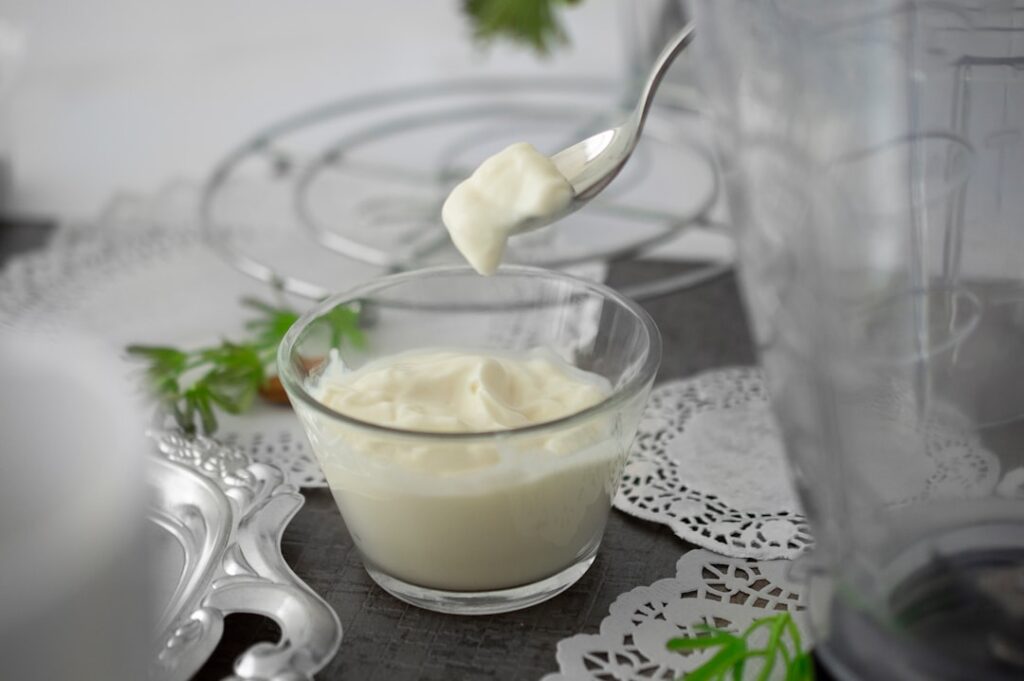
Probiotic yogurt has gained significant attention in recent years for its potential to support digestive wellness and overall health. As more people become aware of the importance of gut health, fermented foods like yogurt are quickly becoming kitchen staples. Unlike regular yogurt, probiotic yogurt is specifically cultured with beneficial bacteria that can help maintain a balanced gut microbiome, a critical component of immune and digestive function.
The gut microbiome is a dynamic ecosystem composed of trillions of microorganisms, many of which play a role in nutrient absorption, immune response, and even mood regulation. When the balance of these microorganisms is disrupted, it can lead to a variety of health issues, from gastrointestinal discomfort to more chronic conditions like inflammatory bowel disease. Consuming foods rich in probiotics, such as probiotic yogurt, may help restore and maintain this balance by introducing live cultures that support microbial diversity.
Probiotic yogurt is made by fermenting milk with specific strains of bacteria, most notably Lactobacillus and Bifidobacterium. These cultures are known for their ability to survive the digestive process and reach the intestines, where they exert their beneficial effects. Some yogurts on the market contain live and active cultures, but not all are formulated with strains proven to have probiotic benefits. This is why selecting a true probiotic yogurt is key when looking to improve gut health.
Incorporating probiotic yogurt into your daily routine doesn’t have to be complicated. It can be enjoyed on its own, blended into smoothies, or used as a base for creamy salad dressings and sauces. For those with dietary restrictions or preferences, there are also dairy-free options made from coconut, almond, or soy milk that are cultured with probiotic strains. It is essential, however, to check labels carefully, as not all plant-based yogurts contain live cultures.
Beyond digestive health, research suggests that probiotics may have far-reaching benefits. Some studies have linked regular probiotic consumption to improved mood and reduced symptoms of anxiety and depression, likely due to the gut-brain connection. Other findings indicate that probiotics may support immune function, reduce inflammation, and even improve skin health. While more research is needed to fully understand these relationships, the existing evidence points to the value of including probiotics in a balanced diet.
One of the challenges in choosing a high-quality probiotic yogurt is navigating the variety of products available. Many commercial yogurts are high in added sugar, which can counteract the benefits of probiotics by feeding harmful bacteria in the gut. Opting for unsweetened varieties or those with minimal added sugar is generally recommended. Additionally, homemade options are gaining popularity for those looking to take more control over the ingredients and fermentation process. For individuals interested in cultivating their own yogurt at home, using a reliable starter culture is an important step toward consistency and quality.
For those seeking a deeper understanding of fermented foods and their role in gut health, there are resources available that provide guidance on everything from choosing the right cultures to understanding the science behind fermentation. Sites dedicated to gut health and fermentation education often offer insights into how to safely and effectively make probiotic foods at home. A visit to this site on cultured wellness reveals a wealth of information for anyone interested in supporting their digestive system naturally.
In summary, probiotic yogurt is more than just a tasty snack—it’s a functional food that can support a healthy gut and contribute to overall well-being. With a little attention to product quality and an understanding of how probiotics work, anyone can begin to incorporate this beneficial food into their lifestyle. Whether store-bought or homemade, probiotic yogurt represents a practical and nourishing addition to daily nutrition.