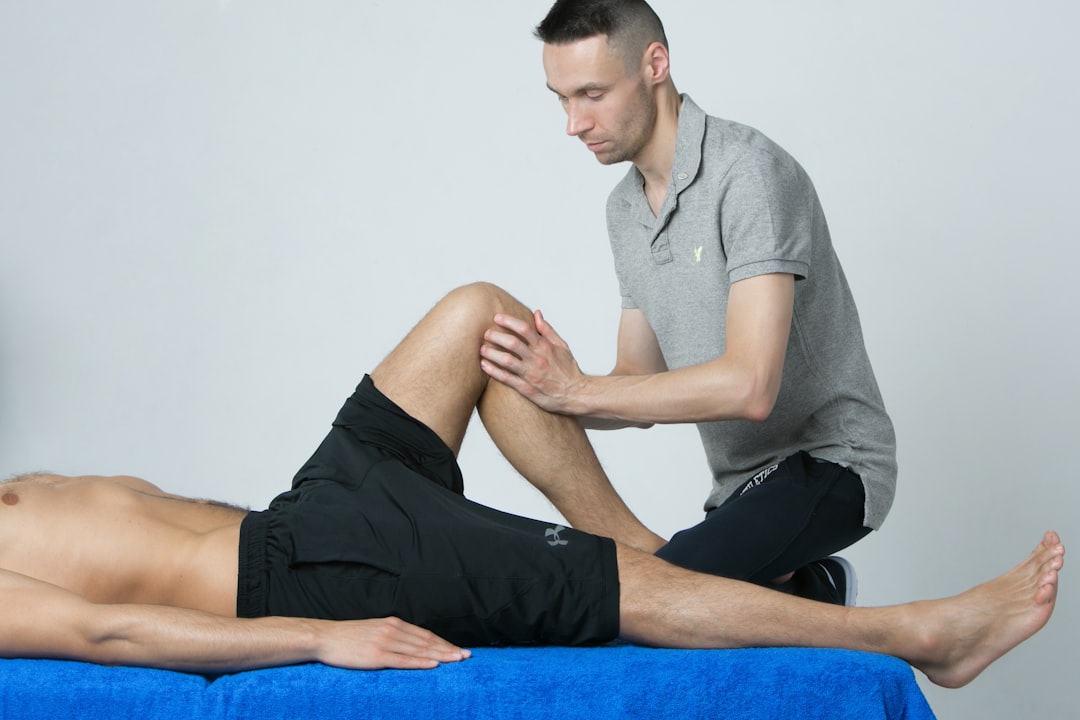

Waking up unable to lift your arm after a sudden injury is frustrating and more common than you might think. Injuries from everyday tasks, sports, or work can leave you in pain and limit your movement. When this happens, physiotherapists step in to assess your condition thoroughly. They don’t just focus on the injury but develop a customised care plan aimed at restoring function and reducing pain. This plan often includes exercises tailored to your needs and advice on how to avoid aggravating the injury further.
Physiotherapy uses hands-on techniques and guided exercises to help you regain strength and mobility. For example, if you have persistent back pain, a physiotherapist may apply manual therapy to ease muscle tightness and joint restrictions. Strengthening your core muscles is often part of the process since a stable core supports better posture and relieves strain on your spine. These treatments are adjusted regularly based on your progress rather than using a one-size-fits-all approach.
Chiropractic treatment sometimes complements physiotherapy by focusing on spinal alignment. While physiotherapy targets muscles and soft tissues, chiropractic care works to correct misalignments in the spine. If nerve irritation or stiffness follows an injury, spinal adjustments can help improve nerve function and reduce discomfort. Combining these therapies can speed recovery but requires clear communication between practitioners to avoid overlap or conflicting advice.
Clinical Pilates has become popular for building strength without stressing injured areas. It uses controlled movements that engage deep core muscles, which is helpful during rehabilitation after surgery or injury. A physiotherapist might add Clinical Pilates exercises to your routine to enhance stability and flexibility while lowering the risk of re-injury as you recover. It’s gentle but effective, ideal for those needing low-impact workouts.
Foot health often gets overlooked but is critical for overall body mechanics. Podiatrists assess how your feet move and identify issues like flat feet or uneven weight distribution that can cause pain higher up in the knees or hips. They may recommend custom orthotics or specific foot exercises that fit within your physiotherapy program. Addressing foot problems early can prevent complications and improve the effectiveness of your rehabilitation.
Remedial massage therapy is a useful addition after physiotherapy sessions. Targeting tight muscle groups, massage reduces soreness and improves blood flow, making it easier to perform rehabilitation exercises. Techniques such as deep tissue massage help break down scar tissue formed after injuries, enhancing flexibility. Many patients find scheduling regular massages alongside their physio appointments speeds recovery and reduces discomfort between sessions.
Dry needling is sometimes used to treat persistent muscle pain by inserting fine needles into trigger points. This can release muscle tightness and improve circulation in affected areas. Patients often notice decreased pain and increased range of motion after a few sessions combined with their usual physiotherapy work. However, it’s not suitable for everyone, so a thorough assessment is necessary before starting this treatment.
Women’s health physiotherapy focuses on issues related to pregnancy, postpartum recovery, and pelvic floor problems. These conditions require specialised attention because pelvic muscles undergo significant changes during childbirth and hormonal shifts. A qualified women’s health physiotherapist creates personalised programs to strengthen these muscles and ease discomfort. Many women benefit from this targeted care when recovering from childbirth or managing pelvic pain.
Selecting the right care depends on your unique situation and goals. Whether recovering from an injury or aiming to improve overall function, understanding the different treatments available helps you make informed decisions. You might want to explore options like or speak with practitioners who provide detailed assessments tailored to your needs. Finding the right combination of therapies can make a real difference in your recovery journey.