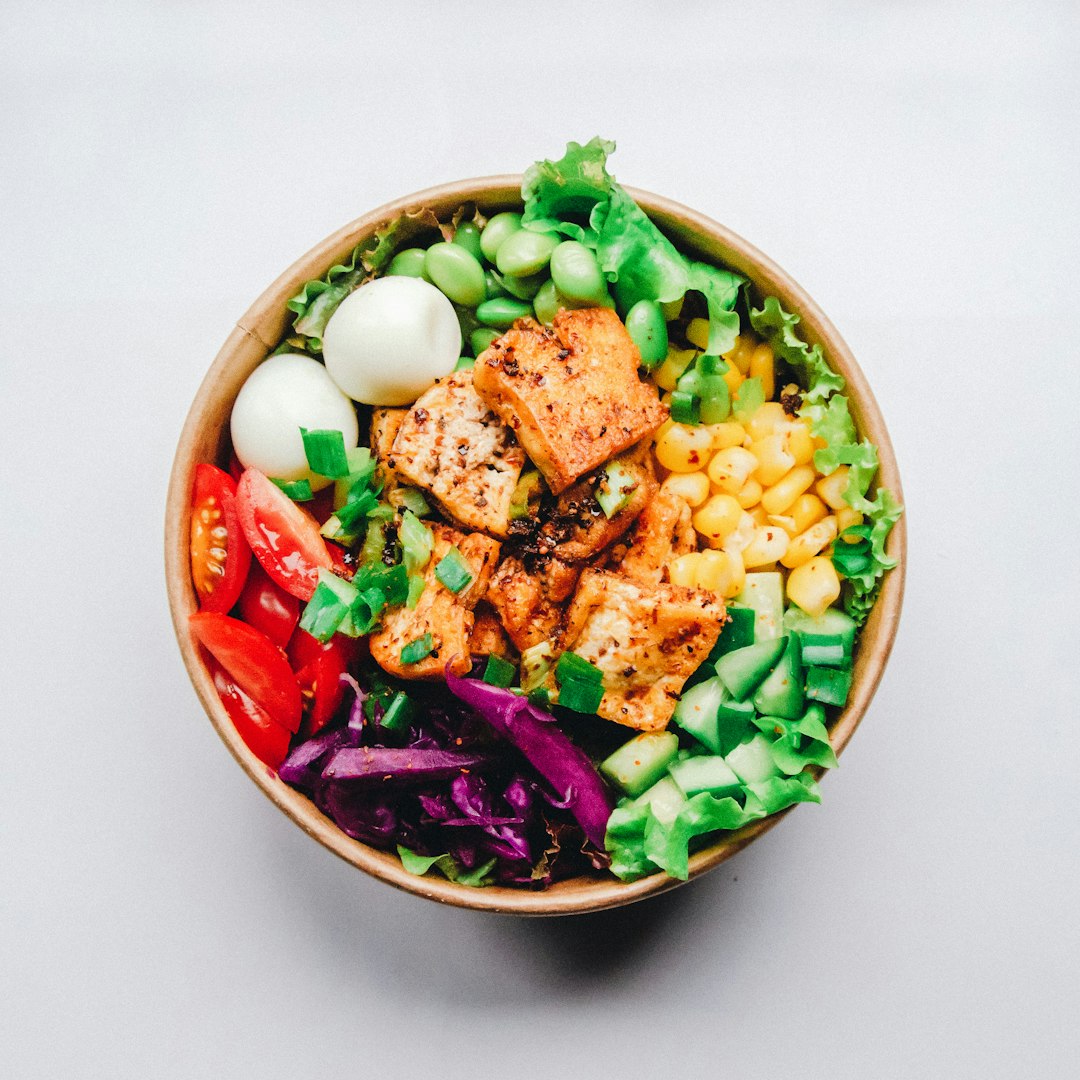

Feeling bloated after a big meal is more than just uncomfortable, it can be downright frustrating. The sensation of your stomach swelling and tightening is often linked to how your digestive system reacts to certain foods or imbalances in gut bacteria. It’s common to try quick fixes like medications or cutting out entire food groups, but these don’t always solve the root of the problem. Taking control starts with understanding what triggers your bloating and making sustainable changes.
Food intolerances frequently cause bloating. For example, if your body struggles to digest lactose, dairy products can lead to excess gas and swelling. Similarly, gluten sensitivity may cause discomfort after eating bread or pasta. Tracking what you eat alongside any symptoms in a simple diary can reveal patterns you might otherwise miss. This kind of record-keeping is a practical step most people skip but can save you from months of trial and error.
Dietary fiber is often misunderstood in relation to bloating. Soluble fiber, found in foods like oats, apples, and beans, absorbs water and helps soften stools, easing bowel movements. Insoluble fiber, present in whole grains and vegetables, adds bulk and speeds up waste through your system. Adding fiber slowly over several weeks is key; ramping up too fast can backfire and make bloating worse. Many people don’t realize that fiber’s benefits don’t come overnight, it requires patience and consistency.
Water intake is another overlooked factor. Staying well hydrated helps your digestive system process food efficiently and prevents constipation, which makes bloating feel worse. Drinking at least eight glasses a day is a good rule of thumb, but remember that physical activity, climate, and individual needs vary. A helpful habit is carrying a reusable water bottle and setting reminders to sip regularly throughout the day.
Stress impacts your gut just as much as diet does. When you’re stressed, your body releases hormones that can disrupt the natural balance of gut bacteria and slow digestion. Techniques like yoga, meditation, or even deep-breathing exercises can calm your nervous system and improve digestion. Some people find that just taking a short walk outdoors after meals reduces their bloating significantly by lowering stress and encouraging intestinal movement.
If you want more details on managing gut health naturally, there’s useful information on how to relieve bloating naturally. It covers practical strategies that fit into everyday life without drastic changes.
Physical activity is a straightforward way to reduce bloating. Exercise increases blood flow to your digestive tract and stimulates muscle contractions that move food along. Even a brisk 15-minute walk after eating can make a big difference. Avoid sitting immediately after meals if you notice it worsens your symptoms; instead, try gentle movement to keep digestion active.
Adding probiotics to your diet can help balance the bacteria in your gut and reduce bloating over time. Yogurt with live cultures, kefir, sauerkraut, and kimchi are good sources. It’s best to introduce these foods gradually so your system has time to adjust without discomfort. For tailored advice on including probiotics or other dietary changes, consulting someone experienced with gut health issues can be helpful. You might find more guidance on natural gut health tips that align with sustainable habits.