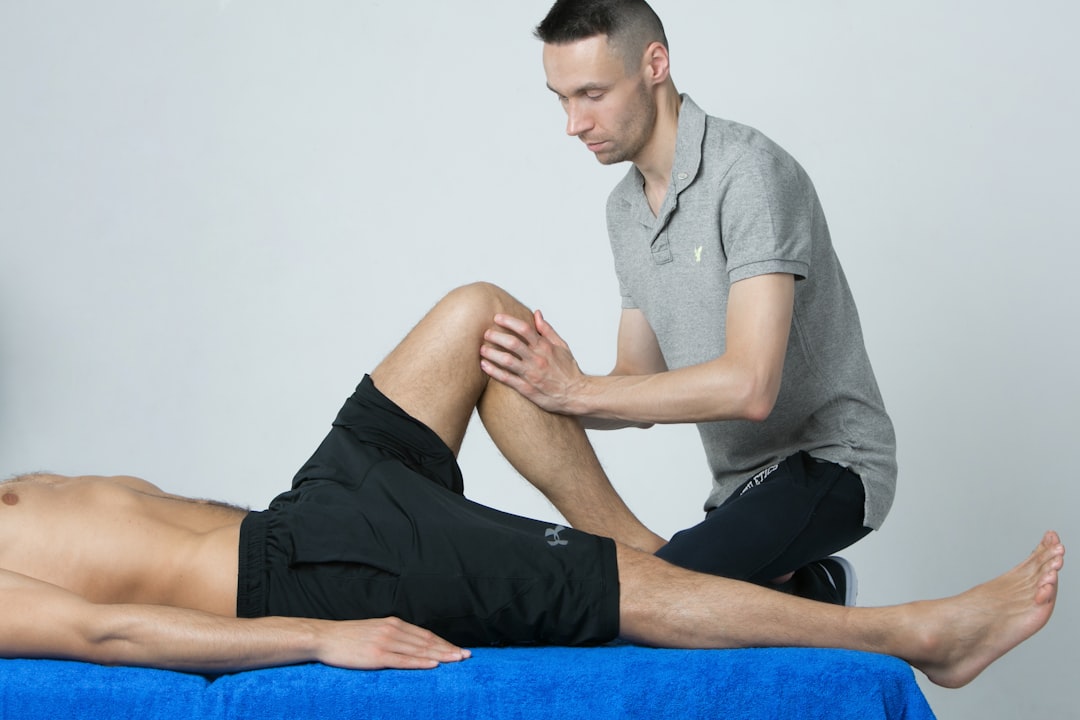
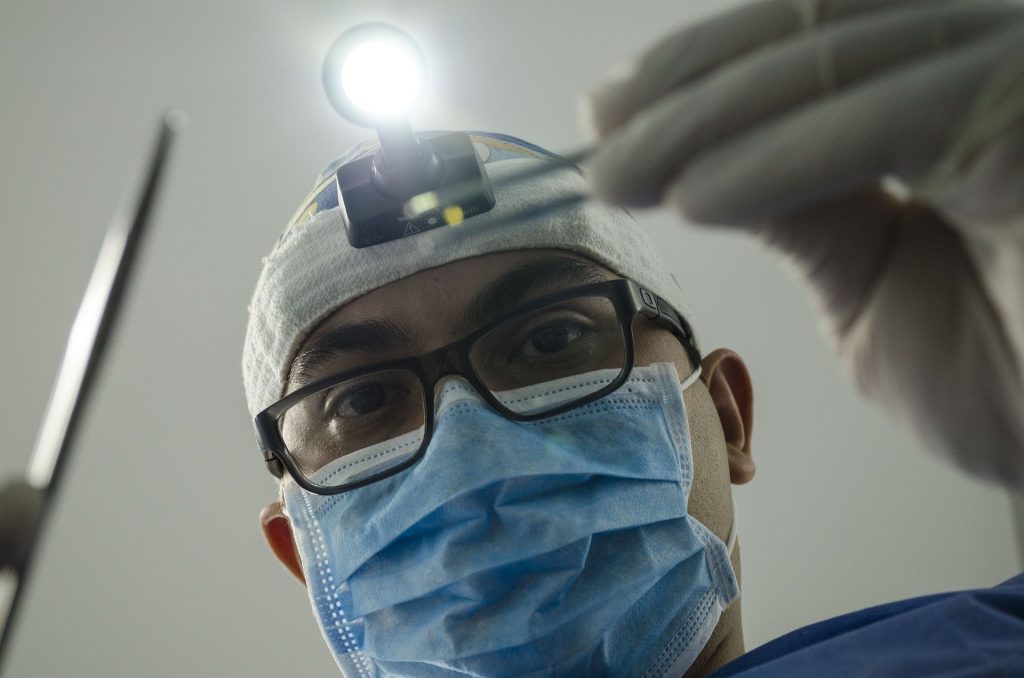
Medical Residency Courses and Programs offer a selection of short and long-term clinical rotations, which may be required for physicians who have completed their residencies. This training program aims to provide the resident with hands-on experience in the clinical practices of internal medicine, pediatrics, and neurology. They provide students with a thorough overview of basic medicine and become competent in diagnosing, treating, and preventing diseases that affect our society. Medical residency or clinical training is a phase of graduate medical education, typically designed to last two years.
There are two distinctive differences between academic and clinical training in medical residency courses and programs. Academic courses tend to focus on broad clinical skills and coursework related to the doctor’s specialization. Residents engage in hands-on clinical practice and complete supervised clinical rotations under the supervision of faculty and other physicians. Most residents eventually become either full or part-time faculty or staff at the medical facility.
The second distinction is that medical residency programs tend to be shorter than academic programs. This allows doctors to specialize more readily and rapidly. In many cases, the best medical residency programs are four-year programs that bring the new residents into contact with actual practice and learn on the job. In these environments, the residents get well acquainted with the broad aspects of medicine and develop a solid basis for developing further expertise.
There are many reasons why people consider entering one of the many medical residency courses around the country. Some do it because they are interested in advancing into leadership positions in community health care. Other physicians want to deepen their understanding of internal medicine to do more comprehensive treatments for patients. Others want to hone their communication skills to serve their communities better, and others want to become a physician who specializes in pediatrics or trauma. Whatever the reason, it is undeniable that these residents provide exceptional patient care.
One of the most significant advantages is that the medical residency program provides hands-on clinical experience. During the residency, the residents get an opportunity to apply their clinical skills to a wide variety of problems. They have to use their medical knowledge to deal with a wide range of patients from all walks of life and come with a diverse array of medical problems. They are not just looking to gain experience in one specific area of the field. They want to stay abreast of the latest trends in the field and be a leader in their specialty.