Learning energy healing can feel like discovering an unseen river running within you, one that flows quietly beneath the surface of everyday life. This ancient practice, rooted in a wide range of traditions across the world, invites us to tune into the subtle energy systems that influence our physical, emotional and spiritual well-being. As interest in holistic health continues to grow, more people are turning towards energy healing not just as a method of treatment, but as a personal journey of self-awareness and transformation.
At its heart, energy healing is based on the belief that the human body is more than just flesh and bone. It is a dynamic field of energy, constantly interacting with the environment, emotions and thoughts. When this energy becomes blocked or imbalanced, it can manifest as fatigue, anxiety or even physical illness. By learning to sense and guide this energy, practitioners aim to restore harmony and promote natural healing from within.
For those curious about how to begin, there are structured pathways that introduce the principles and techniques of energy work in accessible ways. These often combine breathwork, meditation, visualisation and gentle movement to help awaken your sensitivity to energy. As your practice deepens, you learn to recognise the subtle cues of your own energy field and how to work with it in a conscious and intentional manner. Many find that as they learn energy healing, they also cultivate a greater sense of presence and inner calm.
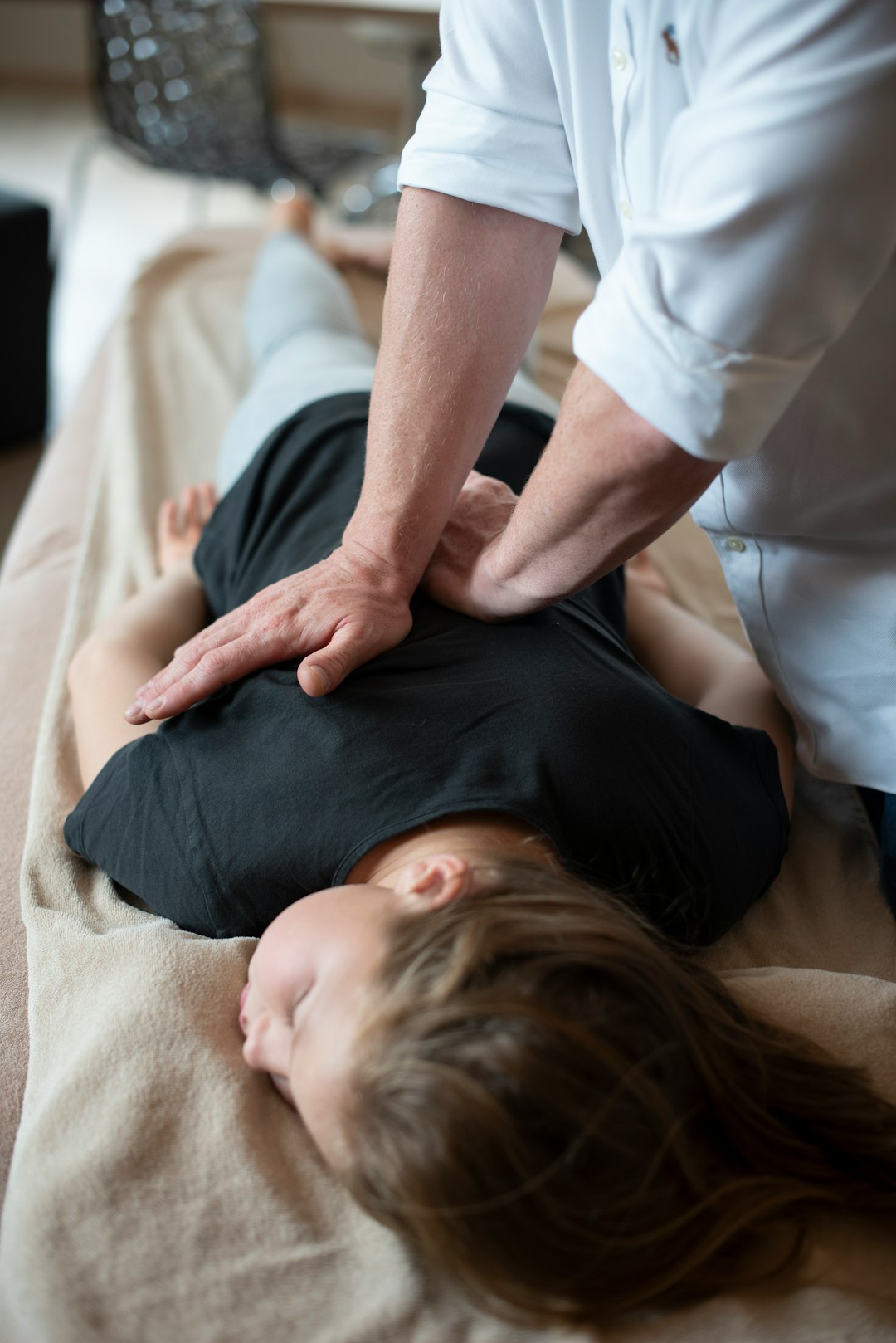
Energy healing is not a one-size-fits-all discipline. It respects the uniqueness of each person’s energy signature and encourages exploration. Some may be drawn to hands-on modalities, while others find resonance with sound, light or visualisation-based approaches. The key is to remain open and patient, allowing your intuition to guide your learning process. Over time, what begins as a technique becomes an embodied understanding of the energetic rhythms that govern your life.
The benefits of learning energy healing extend beyond the self. As you develop your skills, you may begin to share this knowledge with others, offering support during times of stress or imbalance. While formal qualifications can enhance your ability to work with clients, even informal practice can bring comfort and clarity to friends and family. The act of holding space for someone’s healing is a profound expression of empathy and connection.
Energy healing also encourages a holistic view of health, one that integrates body, mind and spirit. This perspective invites us to consider not just symptoms, but the deeper patterns and beliefs that shape our experiences. In doing so, we often uncover insights and realisations that lead to lasting change. It’s a gentle, yet powerful reminder that healing is not about fixing what is broken, but reconnecting with what is whole.
With increasing scientific interest in the mind-body connection, energy healing is gradually gaining recognition in broader wellness circles. While it may not replace conventional medicine, it offers a complementary path that honours the complexity of human experience. Whether you are seeking personal growth, emotional resilience or simply a deeper connection to life, energy healing can be a transformative addition to your daily practice.
For those ready to take the first step, it helps to find a supportive learning environment that offers both structure and flexibility. Quality instruction can provide the foundation needed to grow your confidence and skill over time. If you’re looking for more information about classes, workshops or personal development opportunities, you can explore what’s available through this energy healing education resource.
Ultimately, learning energy healing is not about acquiring a new skill, but about remembering an ancient wisdom that lives within us all. It teaches us to listen, to observe and to trust the natural intelligence of our own bodies. In doing so, we begin to flow more harmoniously with life, guided by an inner current that has always been there, waiting to be felt.