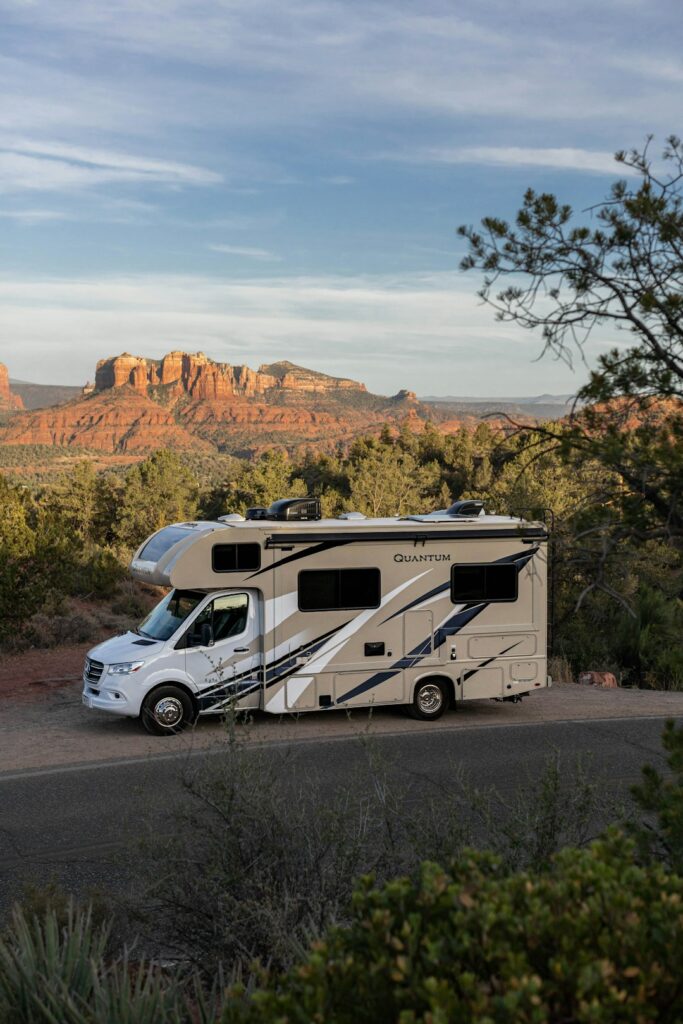
Maintaining an RV involves more than just keeping the engine tuned and the interior clean. One of the most critical components to monitor is the roof. Over time, exposure to sun, rain, snow, and debris can degrade the surface, leading to leaks, mold, and structural damage. This is why applying the right roof coating is essential. A proper sealant not only prevents water intrusion but also extends the lifespan of your RV, improves insulation, and maintains resale value.
The choice of RV roof coating depends on several factors, including the material of your roof, the climate where your vehicle is stored, and how often you use it. Common RV roof materials include rubber (EPDM or TPO), fiberglass, and metal. Each of these comes with its own set of challenges, but all benefit from protective coatings that offer a seamless, waterproof barrier.
One of the key advantages of applying a high-quality coating is its ability to reflect UV rays. Prolonged exposure to sunlight can cause the roofing material to dry out, crack, and fail. Reflective coatings bounce sunlight away, keeping the roof cooler and reducing the load on the air conditioning system. This not only improves comfort inside the RV but also lowers energy consumption, which is particularly beneficial during long summer road trips.
Another benefit is the prevention of leaks. Even a small crack can allow water to seep in, potentially damaging insulation, electrical systems, and interior furnishings. A continuous membrane formed by a liquid-applied coating can seal tiny gaps and provide a long-lasting solution. For those looking to ensure a reliable barrier, exploring options for the best rv roof coating can make a significant difference in performance and durability.
Application methods vary, but most coatings are either rolled, brushed, or sprayed onto the roof. Proper surface preparation is key to achieving a strong bond. This typically includes cleaning the roof thoroughly to remove dirt, oxidation, and existing loose materials. Some coatings may also require a primer, especially if the roof material is particularly porous or has been previously coated with a different type of sealant.
Durability is another important consideration. Some coatings may last only a few years under normal conditions, while others can remain effective for a decade or more. Climate plays a role here as well. In regions with heavy rainfall or snow, a thicker and more elastic coating is often preferred. In contrast, desert climates call for coatings with high UV resistance and thermal reflectivity.
In addition to protective benefits, roof coatings can also improve the overall appearance of your RV. A fresh, clean roof gives the vehicle a well-maintained look and may help if you plan to sell or trade it in the future. Some coatings are even tinted to match or complement the color of your RV, offering a more customized finish.
For those considering a DIY approach, it’s essential to follow the manufacturer’s instructions carefully. Weather conditions during application are crucial; most coatings require dry surfaces and moderate temperatures to cure properly. It’s also advisable to check the roof every few years and touch up any worn or damaged areas to maintain a strong, watertight seal.
If you’re looking for expert guidance and product solutions, this resource for waterproofing materials offers valuable information and a wide range of products tailored to RV and other outdoor applications.
Ultimately, investing in the right RV roof coating is a practical and cost-effective way to protect your vehicle from the elements. Whether you’re a weekend camper or a full-time traveler, your RV’s roof deserves the same level of care as any other critical system. With proper selection and application, a high-quality roof coating ensures peace of mind and helps you get the most out of your RV adventures.