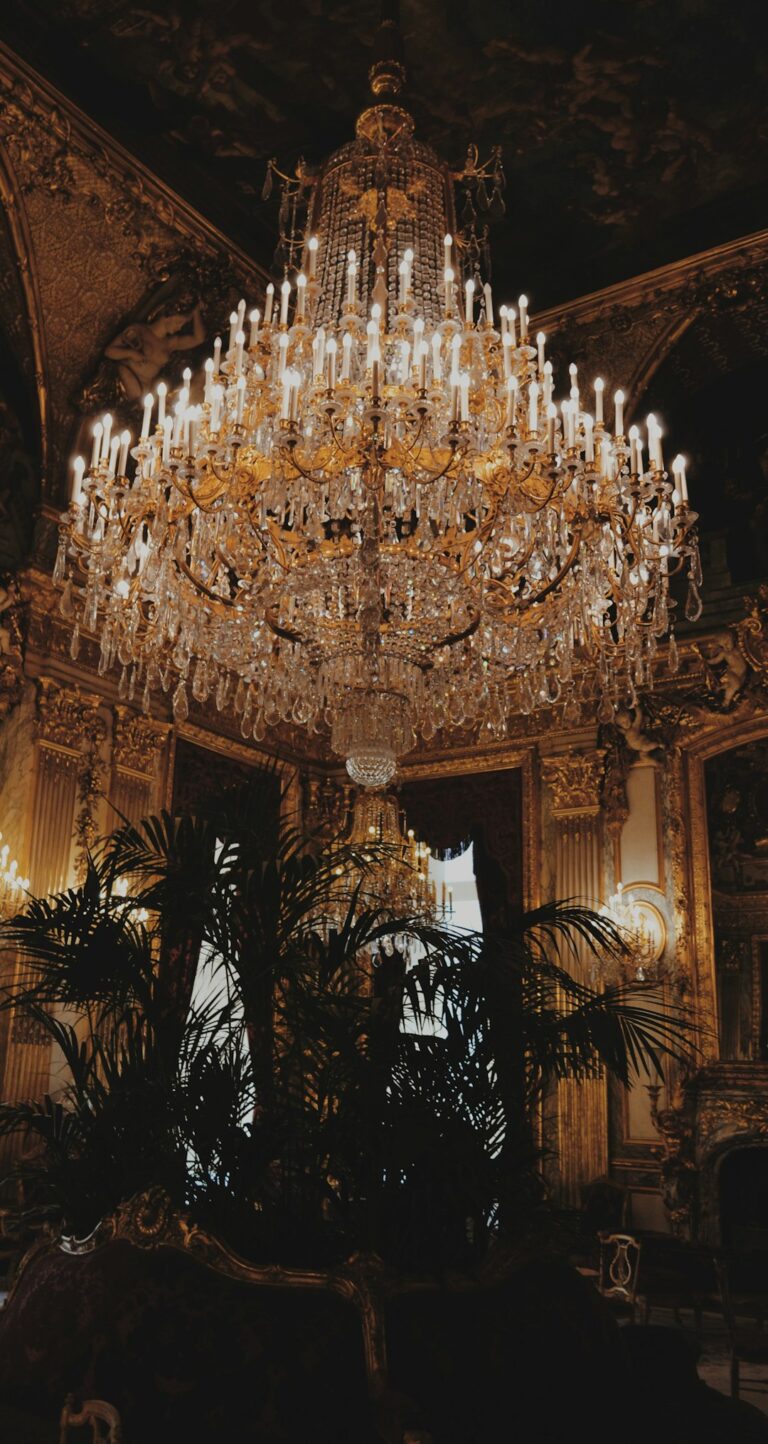
Creating memorable guest experiences starts long before a visitor checks into a hotel or steps into a restaurant. It begins with thoughtful planning, purposeful design, and precise execution. Hospitality design and construction is the art and science of shaping environments that welcome, inspire, and function seamlessly. From boutique hotels to urban eateries, how a space is envisioned and built plays a vital role in how it is experienced.
Unlike traditional architecture, hospitality environments must balance aesthetics with utility, brand storytelling with spatial efficiency. Designers and builders in this field must understand not just how a room looks, but how it feels, flows, and supports the guest journey. This requires a holistic approach that integrates interior design, architecture, and construction management into one unified vision. The result is not just a completed space, but an immersive experience tailored to its audience.
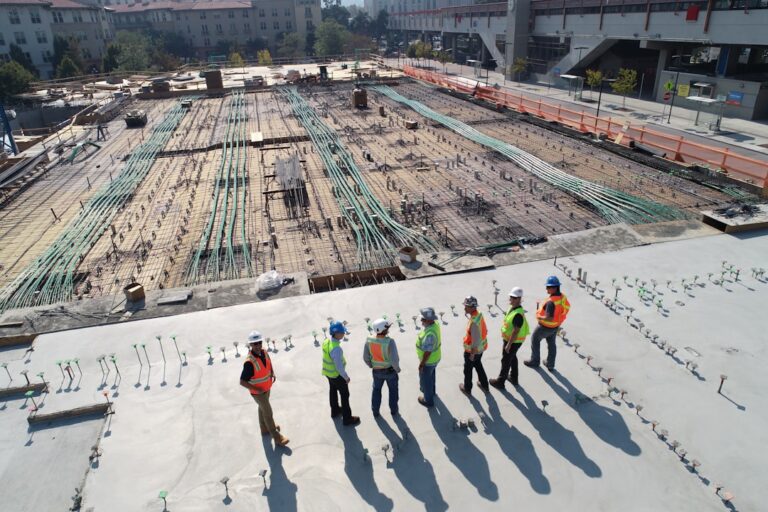
The process often begins with concept development and feasibility studies, where client goals and site conditions are analyzed. From there, the design phase brings creative ideas to life through sketches, models, and material selections. Collaboration is key during this stage, ensuring that every detail—from lighting to layout—aligns with the broader brand identity. During the build phase, precision and coordination are critical. Timelines, budgets, and craftsmanship must be managed in lockstep to deliver a final product that meets both aesthetic and operational standards. For those seeking a streamlined approach, integrated hospitality design and construct services offer a seamless path from vision to reality.
Today’s hospitality spaces must also adapt to evolving guest expectations. Sustainability, flexibility, and technology integration are no longer optional—they are essential. Whether it’s incorporating energy-efficient systems or designing adaptable spaces for hybrid uses, modern hospitality design must anticipate future needs while enhancing present-day comfort. Material choices, spatial planning, and even acoustics contribute to creating environments that connect with guests on multiple sensory levels.
A successful hospitality project doesn’t end when construction wraps. Post-occupancy evaluations and ongoing support ensure that spaces continue to perform as intended. Feedback from staff and guests can inform future improvements, while maintenance plans help preserve the integrity of the design. This lifecycle approach ensures that each environment remains vibrant, functional, and financially viable over time.
Whether developing a new hotel or renovating a historic property, choosing the right partner matters. A firm with deep experience in both design and construction can translate a client’s vision into a built reality that exceeds expectations. By aligning creative ambition with practical execution, such teams create spaces that not only look great but work beautifully. To explore how cohesive planning and delivery can elevate your next project, visit this specialist in integrated design services.
In a competitive hospitality landscape, every detail counts. From the first sketch to the final fixture, design and construction shape the guest experience in lasting ways. As expectations evolve and challenges grow more complex, the value of integrated solutions becomes clear. Hospitality design and construct isn’t just about buildings—it’s about building unforgettable experiences.