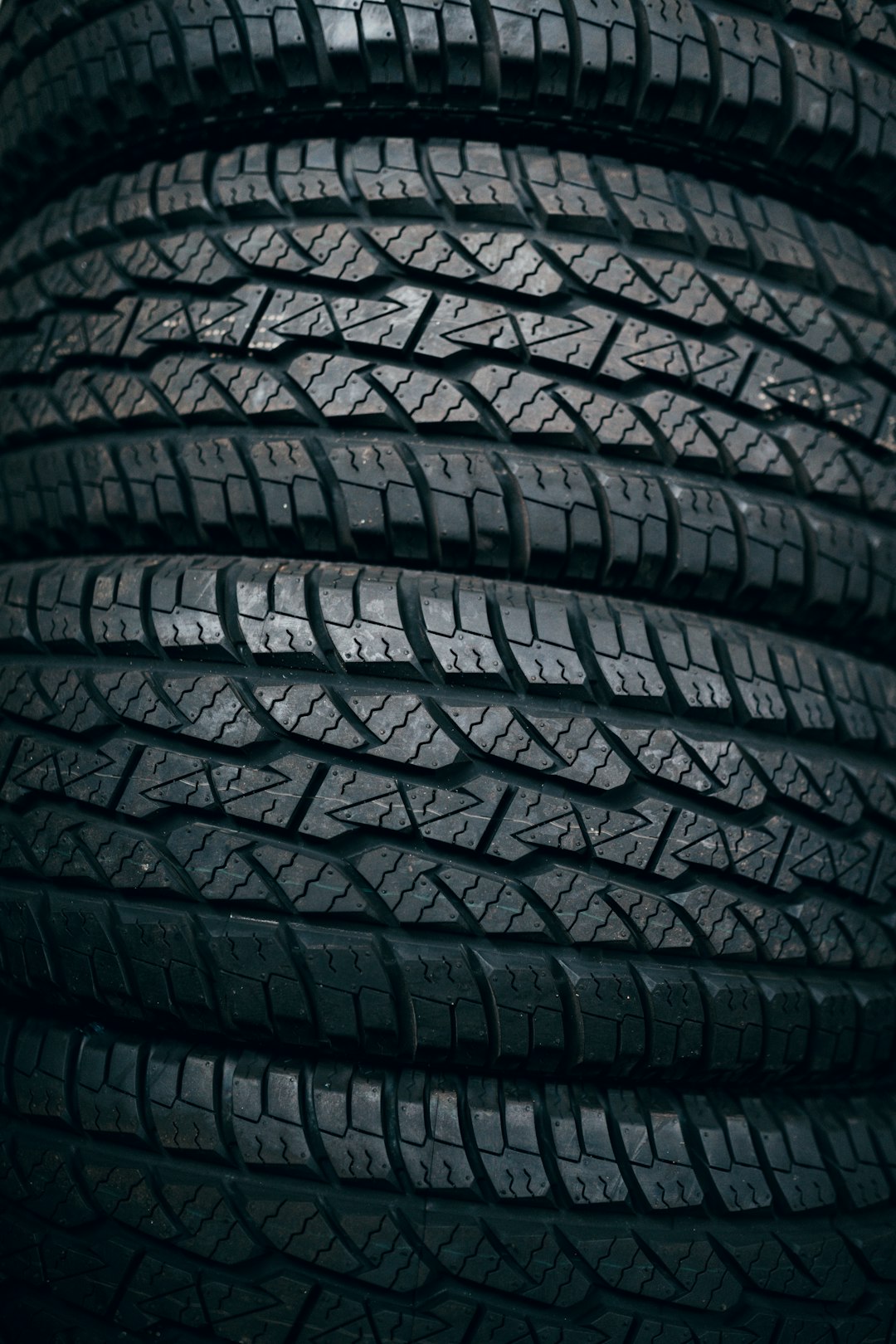
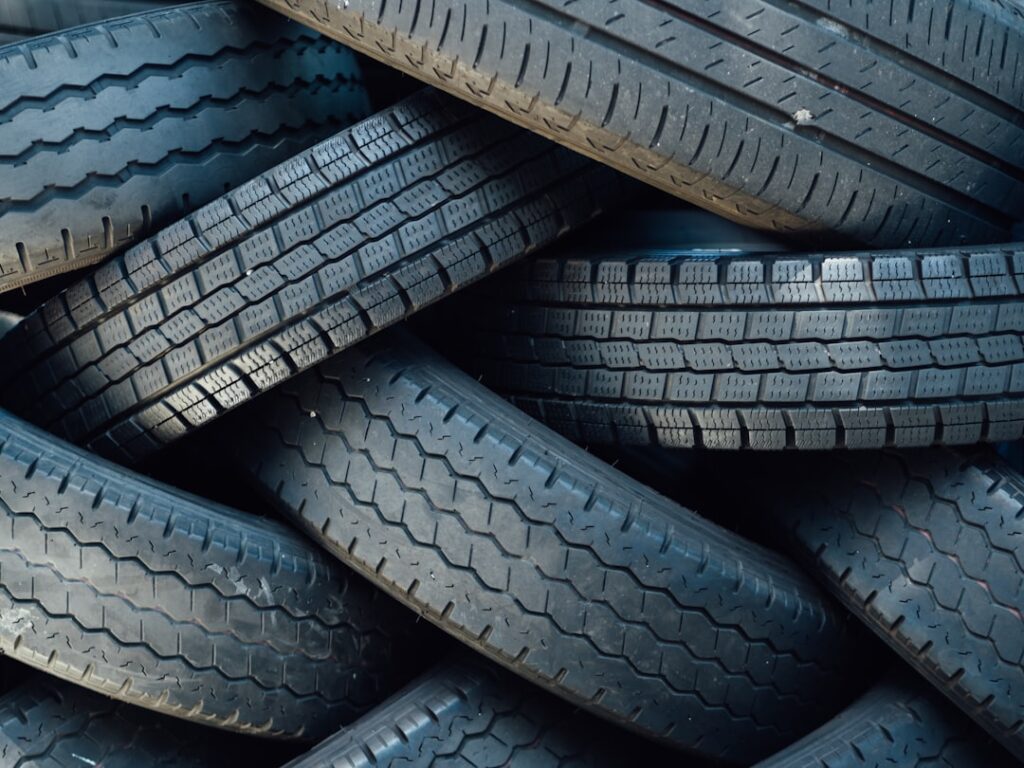
Picture this: you’re out in the field during harvest season, and a tractor tyre suddenly goes flat. Work grinds to a halt. Delays pile up, and the pressure mounts. The right tyres can mean the difference between smooth operation and frustrating downtime. Harvest tyres aren’t just rubber and tread; they’re designed for specific soil conditions, load capacities, and weather. Knowing the tread pattern that works best for muddy ground versus dry soil helps maintain traction without tearing up the field. The rubber compound also matters , too soft, and the tyre wears out fast; too hard, and you lose grip.
Tyre maintenance often slips under the radar. Farmers sometimes forget to check tyre pressure daily before heading out. Under-inflated tyres not only sap fuel efficiency but can also lead to blowouts, especially when hauling heavy loads. It’s a good habit to keep a pressure gauge handy and check inflation levels every morning. Rotating tyres regularly evens out wear patterns, extending their life and saving money down the line. Small practices like these prevent unexpected breakdowns.
Using mismatched tyres on farm equipment is a recipe for trouble. A standard road tyre won’t cut it on rough, uneven farmland. Harvest tyres feature deep, aggressive tread patterns that dig into loose or wet soil, improving grip and stability. Farmers sometimes skimp here, thinking they’ll save money upfront, only to face poor traction and increased slippage. That lost productivity far outweighs any initial savings. Stick to tyres made for agricultural use to keep things moving efficiently.
Load ratings are often overlooked but critical. Every tyre carries a maximum load limit, and exceeding it risks tyre failure and damage to machinery. Overloading stresses the tyre’s structure, which can cause sudden blowouts or uneven wear. It’s wise to consult the tyre’s specifications printed on its sidewall and match them carefully with your vehicle’s weight and the expected load. This simple check can prevent costly repairs and keep equipment safe.
Local suppliers who understand farming needs can be invaluable. They can recommend tyres suited for your terrain and typical workload. For example, if you operate on hilly ground, some tread designs offer better sidewall support to prevent slipping during climbs or descents. These insights come from experience and local knowledge , not just a catalogue description.
You’ll find quality harvest wheels and tyres at competitive prices through local dealers or reputable online retailers. Before buying, getting a free quote helps ensure you’re not paying over the odds for features you don’t need. A good supplier will also discuss installation options and aftercare, which can save time and hassle later.
Don’t hesitate to ask for advice if you’re uncertain about which harvest tyres fit your machinery or how to install them properly. Regular talks with specialists help avoid mistakes that lead to downtime or extra costs. Simple things like confirming tyre size against manufacturer recommendations or adjusting pressure for seasonal changes make a big difference in performance. For detailed information on suitable options tailored to your vehicles, check out harvest tyres designed to meet those needs.
Finding a reliable wheel supplier is just as important as picking the right tyre. Being able to source what you need quickly keeps operations on track when time is tight. Look for businesses that prioritize service and have hands-on knowledge of farming equipment requirements. Whether it’s matching sizes accurately or advising on conditions that affect tyre wear, having dependable support nearby reduces guesswork. You can explore more by visiting farm equipment tyre advice.