
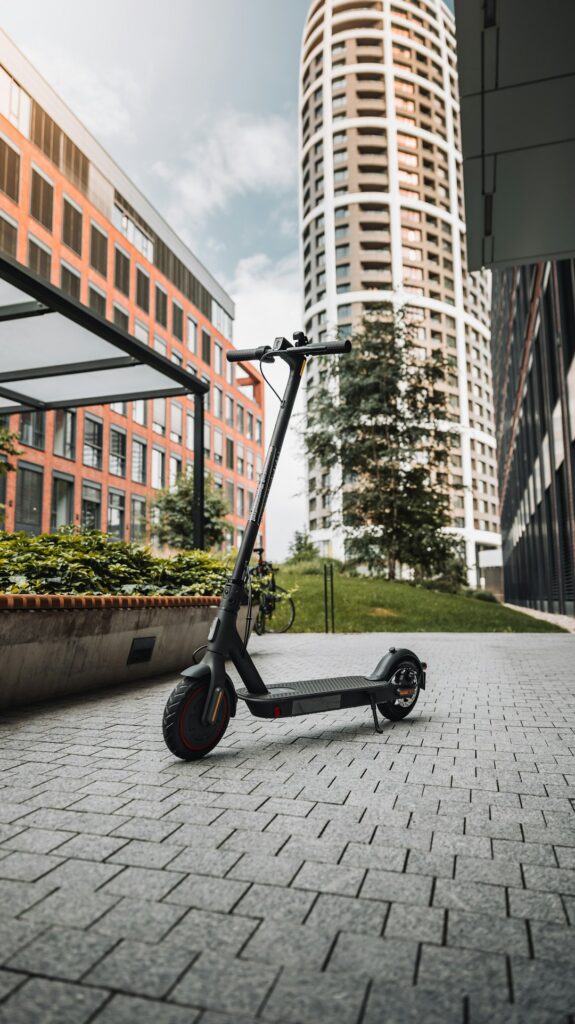
Walking into a store filled with mobility scooters can be intimidating, especially if you’re considering second hand options. These scooters offer a chance to regain independence, but their condition varies widely. Before buying, check the battery thoroughly. A battery that no longer holds charge well will limit your trips and cause frustration. Look for signs of corrosion on the terminals and ask if the battery has been replaced recently. Test the brakes to ensure they engage smoothly and firmly; worn brake pads or sticky mechanisms should raise red flags. Ask for maintenance records to understand how the scooter was cared for. Regular servicing usually means fewer surprises down the road.
Weight capacity matters more than people realize. Every scooter has a limit, and exceeding it risks damage or accidents. If you need extra support, look for models with reinforced frames and wider bases. Adjustable seats are a feature worth prioritizing, they allow you to customize comfort and support, which makes a noticeable difference during daily use. Also, check the condition of the tires; solid tires require less upkeep but can give a bumpier ride, while pneumatic tires offer smoother handling but need regular pressure checks.
Portability is a priority for many buyers. Scooters that fold or break down into lighter pieces make travel easier. I often see customers frustrated by heavy scooters that don’t fit in their car trunks. Confirm how easy it is to disassemble and reassemble the scooter without special tools. Practical details like whether the seat swivels or if the tiller adjusts for height affect daily comfort more than most expect. Test these features before committing.
Warranty or guarantee options are often overlooked with second hand purchases. Don’t skip this step. Asking about post-sale support can save headaches if something fails after you buy. Some sellers offer short-term warranties or service plans that cover key components like motors or electronics. Knowing where to get repairs locally is equally important. A nearby service center can mean the difference between quick fixes and weeks without your scooter.
Renting a scooter before buying is a smart move if you’re unsure what fits your needs. Rental programs let you try different models under real conditions, around the house, on sidewalks, or in shops. This hands-on experience reveals how each scooter handles corners, slopes, and uneven surfaces. It also helps you identify must-have features versus nice-to-haves. For rental options, check out second hand mobility scooters available for hire.
In addition to scooters, some people find power chairs or walking aids necessary to complement their mobility setup. Having multiple tools at hand can address different situations better than relying on one device alone. When shopping, consider how each aid fits your lifestyle, whether it’s indoor use, outdoor terrain, or transportation needs. A store that stocks diverse equipment can offer valuable advice tailored to your daily routines.
Purchasing a second hand mobility scooter involves more than just finding a working machine; it’s about improving everyday life. Experienced staff who understand mobility challenges can guide you through options and avoid common pitfalls like overlooked wear or incompatible features. For detailed guidance on various mobility aids, visit mobility equipment advice. Their insights can help you pick gear that lasts and truly supports your independence.